


Pull to refresh
Logo
Massachusetts seizes Jamaica Plain pizza shop over unpaid taxes

Massachusetts seizes Jamaica Plain pizza shop over unpaid taxes

Money Moves Boston, MA local

State took JP House of Pizza after collecting $2,300 of a $223,000 tax bill

Today: State seizes JP House of Pizza

Overview

Updated 1 hour ago

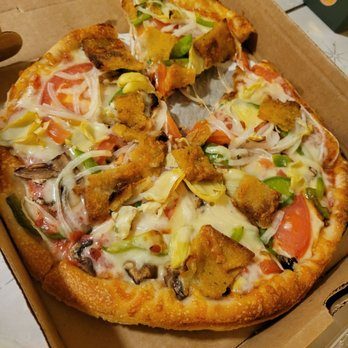
Massachusetts tax agents shut down JP House of Pizza, a Jamaica Plain corner spot open for more than 25 years. The debt: more than $223,000 in unpaid withholding and meals taxes.

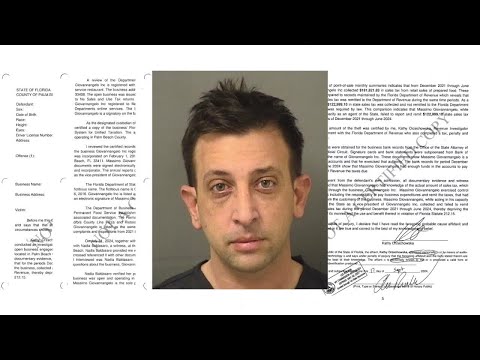
The Department of Revenue took the premises after a Suffolk Superior Court judge authorized the seizure in July, and the state had collected just $2,300 from the restaurant's bank accounts since January 2025. The money wasn't ordinary business debt: withholding and meals taxes are funds the restaurant collected from employees' paychecks and customers' checks, then held for the state. When a business spends that money, it's borrowing from the government, and Massachusetts can physically close the business to get it back.

Why it matters

Any business that spends the sales or payroll taxes it collects can be shut down and sold by the state — this is exactly how that plays out.

Questions about this story

Free account needed to ask — your question is kept and asked for you right after sign-up. Answers are public.

No questions yet — be the first to ask.

Key Indicators

$223K
Total tax debt owed
Withholding, state meals taxes, and interest the state says are unpaid.
$2,300
Amount DoR recovered from bank accounts
Everything the state collected in 20 months of dunning before the seizure.
20 months
Collection effort before seizure
From the January 2025 dunning to the September 2026 seizure.
25+ years
Years the restaurant operated
A long-standing corner spot near the Jamaica Plain Monument.

Voices

Curated perspectives — historical figures and your fellow readers.

Ever wondered what historical figures would say about today's headlines?

Sign up to generate historical perspectives on this story.

People Involved

Organizations Involved

Timeline

January 2025 September 2026

3 events Latest: Today

Scenarios

1

State auctions off the restaurant's assets

Likely Resolves by Feb 28, 2027

Discussed by: Universal Hub; standard Massachusetts DoR tax-sale practice

DoR will inventory and appraise the restaurant's equipment, furniture, and food, then sell them at a public auction. Proceeds go against the $223,000 debt. If the auction falls short, the owner still owes the difference, and the restaurant closes for good.

2

Owner pays the debt and the restaurant reopens

Unlikely Resolves by Feb 28, 2027

Discussed by: Massachusetts tax law allowing redemption before a sale

The owner can still redeem the property by paying the full $223,000 plus seizure and auction costs before the state sells the assets. Given DoR collected only $2,300 from bank accounts over 20 months, this would require new money. If it happens, JP House of Pizza could resume business.

3

A new owner takes over the location

Possible Resolves by Q2 2027

Discussed by: Common practice for tax seizures of going concerns

If the state sells the lease, license, or business as a going concern rather than liquidating individual assets, a buyer could reopen at 775 Centre St. under the same or a new name. This is less common for a small pizza shop but happens when the location holds value.

Historical Context

2 moments from history that rhyme with this story — and how they unfolded.

1954 to present

Federal trust fund recovery penalty (1954)

The Internal Revenue Code let the IRS hold corporate officers personally liable, under the 'trust fund recovery penalty,' when a business withholds income and payroll taxes from employees but fails to send them to the government. The money is legally the government's from the moment it's withheld.

Then

Officers of failing businesses faced personal liability and IRS levies on their own bank accounts and wages.

Now

It hardened the principle that withheld taxes are never a business's money to spend, a rule states like Massachusetts mirror in their own law.

Why this matters now

JP House of Pizza's biggest debt is withholding tax it took from employees' paychecks. The trust-fund rule is why governments pursue it so aggressively, and why Massachusetts can hold officers personally responsible.

1950s–1980s

Boston tax-title foreclosures (mid-20th century)

For decades, Boston foreclosed on thousands of parcels whose owners fell behind on property taxes, taking ownership of the land through its 'tax title' system. The city then controlled vast swaths of property, which it used for urban renewal and redevelopment.

Then

Delinquent owners lost their homes and lots to the city, sometimes after years of unpaid bills.

Now

The city's tax-taking power reshaped whole neighborhoods and left a legacy of distrust, while Massachusetts courts continued to uphold the state's right to seize property for unpaid taxes.

Why this matters now

It's the same underlying power DoR used against JP House of Pizza: Massachusetts does not negotiate forever. When taxes go unpaid, the state simply takes the property and sells it.

Sources

(2)

More from Boston, MA

Openings, permits and council decisions in Boston, MA, in your inbox every Monday.