

Pull to refresh
Logo
Daily Brief
Following
Why Ranks Sign Up
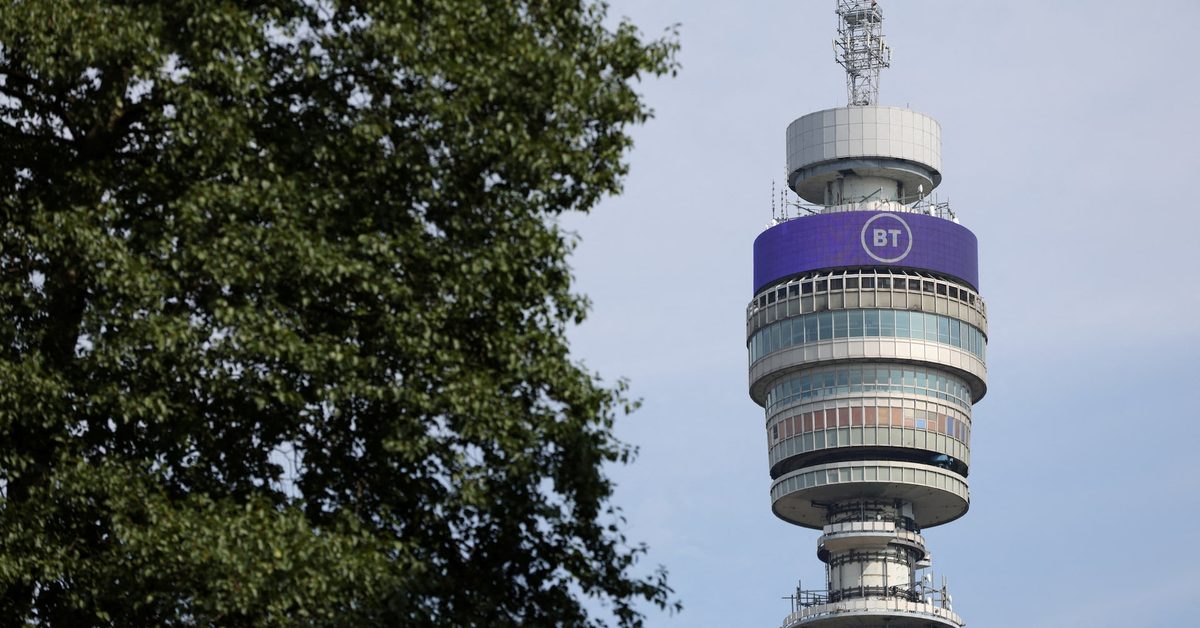
BT and Verizon merge international networks into a joint venture

BT and Verizon merge international networks into a joint venture

Money Moves

A 50-50 venture pools both carriers' global enterprise arms and lets BT pull back to the UK

September 1st, 2026: Blanken starts as CEO-designate

Overview

BT spent about 18 months trying to sell its international arm. On June 29, 2026, it found a different exit: a 50-50 joint venture with Verizon that pools both carriers' global enterprise networks into one $4 billion business.

The combined company will serve more than 3,000 corporate customers in over 180 countries. Verizon pays BT a $625 million fee to get equal voting rights. The deal frees BT to spend its money at home, on UK fibre and 5G, while handing multinational clients a single network spanning the US and Europe.

Why it matters

Big multinationals that buy network service from BT or Verizon will get one global provider instead of two, with new pricing and contracts on the way.

Questions about this story

No questions yet — be the first to ask.

Key Indicators

$4B
Combined annual revenue
Yearly revenue of the merged international enterprise business.
$625M
Equalisation payment
What Verizon pays BT to secure equal voting rights in the 50-50 venture.
3,000+
Corporate customers
Multinational clients served by the combined business.
180+
Countries covered
Reach of the merged network footprint.
2027
Expected close
Target year for completion, pending regulatory clearances.

Voices

Curated perspectives — historical figures and your fellow readers.

Ever wondered what historical figures would say about today's headlines?

Sign up to generate historical perspectives on this story.

Play

Exploring all sides of a story is often best achieved with Play.

Log in to play. Track your picks, climb the leaderboards. Log in Sign Up
Predict 3 ways this could play out. Contrarian picks score more — points lock when the scenario resolves. Log in to play
Higher or Lower Two numbers from this story. Guess which is bigger. 5 rounds to set a streak. Log in to play
Connections Sixteen names from the news. Find the four hidden groups of four. Log in to play

People Involved

Organizations Involved

Timeline

February 2024 September 2026

4 events Latest: September 1st, 2026
Tap a bar to jump to that date
  1. Blanken starts as CEO-designate

    Latest Leadership

    Martijn Blanken begins leading the venture's setup ahead of the deal's close.

  2. BT and Verizon announce the $4 billion venture

    Deal

    The two carriers agree a 50-50 joint venture combining their international enterprise networks, with Verizon paying BT $625 million for equal voting rights.

  3. BT puts its international arm up for sale

    Strategy

    BT begins what becomes a roughly 18-month search for a buyer for its international operations.

  4. Kirkby takes over at BT

    Leadership

    Allison Kirkby becomes BT chief executive and starts simplifying the group around the UK.

Historical Context

3 moments from history that rhyme with this story — and how they unfolded.

1998-2002

BT and AT&T's Concert venture (1998-2002)

BT and AT&T built Concert, a global venture to serve multinational companies. Management clashes, heavy debt, and losses of about $800 million a year sank it. The partners split the assets in 2001.

Then

The wind-down cost roughly 2,300 jobs. AT&T took about $5.3 billion in charges and BT about $1.7 billion.

Now

Concert's assets folded back into each carrier's regional operations, ending BT's biggest attempt at a global enterprise tie-up.

Why this matters now

It is BT's clearest precedent for a 50-50 transatlantic enterprise venture, and a reminder that shared control and culture gaps can break these deals.

February 2005 to January 2006

Verizon buys MCI (2005-2006)

Verizon acquired long-distance and enterprise carrier MCI for about $8.4 billion, beating a rival bid. The deal gave Verizon a large business and international network arm.

Then

Verizon gained thousands of corporate customers and a global IP backbone overnight.

Now

The MCI assets became the core of Verizon's enterprise and international wireline business, the same arm now going into the BT venture.

Why this matters now

It shows how Verizon built the international unit it is now pooling, and why scale in enterprise networking matters to the company.

February 2015 to January 2016

BT acquires EE (2015-2016)

BT bought mobile operator EE for £12.5 billion, returning to the UK consumer mobile market it had exited years earlier. Regulators cleared the deal in early 2016.

Then

BT became the UK's largest mobile and broadband provider in one move.

Now

It anchored BT's strategy around the UK, the same focus driving the decision to offload its international arm a decade later.

Why this matters now

It marks the start of BT's tilt toward the UK home market that the Verizon venture now extends.

Sources

(6)