



Pull to refresh
Logo
Daily Brief
Following
Why Ranks Sign Up
U.S. Bancorp's capital markets buildout

U.S. Bancorp's capital markets buildout

Money Moves

A top-ten U.S. bank pushes into investment banking with a $1 billion deal for BTIG

Yesterday: U.S. Bancorp closes BTIG acquisition

Overview

U.S. Bancorp has spent two decades as one of the ten largest U.S. banks by assets, built on commercial lending, payments, and consumer banking. On June 1, 2026, it closed a $1 billion deal for BTIG, a New York investment bank, vaulting into institutional trading, prime brokerage, and deal advisory.

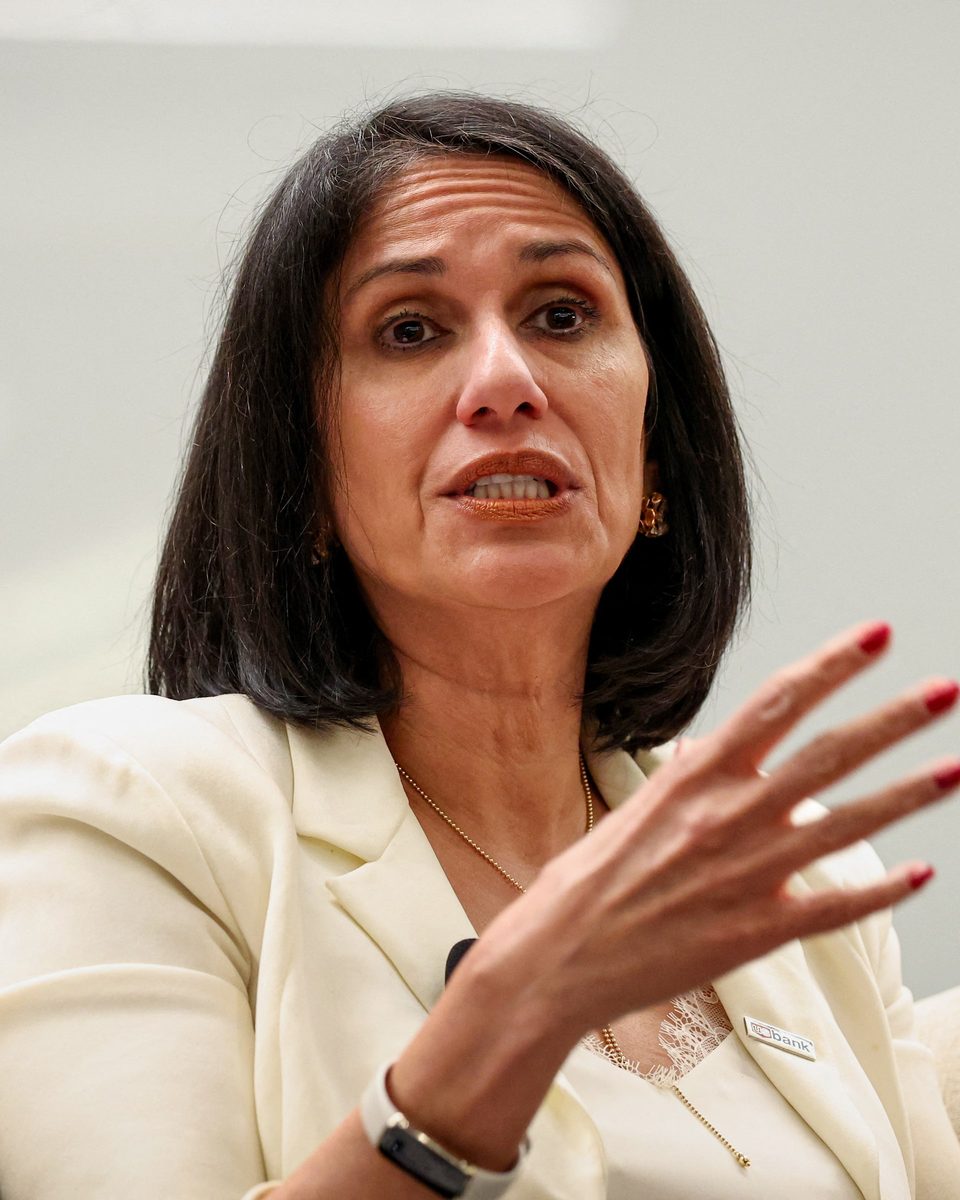
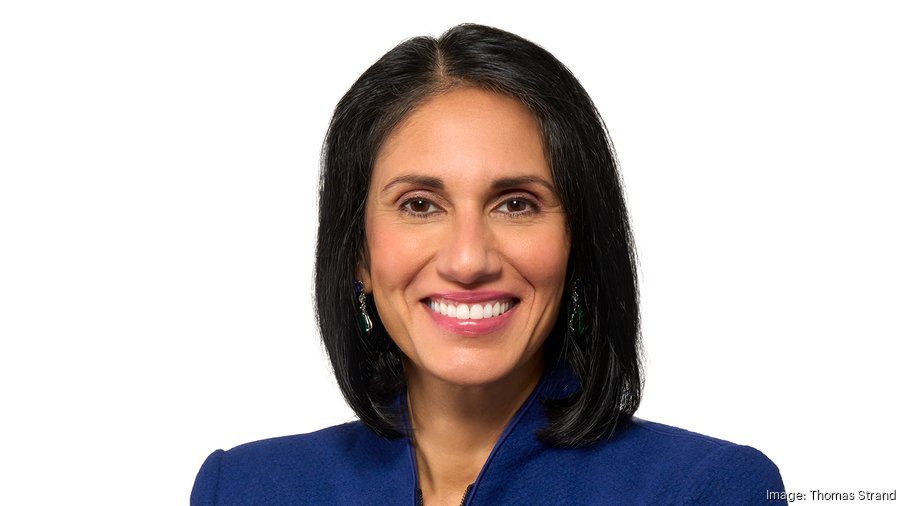
The acquisition gives U.S. Bancorp a top-ten U.S. equity trading desk and a team that has worked on more than 1,350 investment banking transactions since 2015. CEO Gunjan Kedia, who took the job in April 2025, has said more deals will follow. It is the largest regional-bank move into Wall Street since Bank of America bought Merrill Lynch in 2008.

Why it matters

U.S. Bancorp is betting trading and advisory fees can offset thinner lending margins, a path other regional banks are watching closely.

Questions about this story

No questions yet — be the first to ask.

Key Indicators

$1B
Total deal value
$725 million at closing plus up to $275 million in earnouts over three years.
$725M
Cash and stock at closing
$362.5 million in cash and 6.6 million U.S. Bancorp shares.
1,350+
BTIG banking transactions since 2015
Equity, debt, and advisory deals BTIG has worked on over the past decade.
Top 10
U.S. broker rank by high-touch equity volume
BTIG's standing in institutional equity trading before the acquisition.
21 years
BTIG's age at acquisition
Founded in 2005 through a merger of Baypoint Trading and Bass Trading.

Voices

Curated perspectives — historical figures and your fellow readers.

Ever wondered what historical figures would say about today's headlines?

Sign up to generate historical perspectives on this story.

Play

Exploring all sides of a story is often best achieved with Play.

Log in to play. Track your picks, climb the leaderboards. Log in Sign Up
Predict 4 ways this could play out. Contrarian picks score more — points lock when the scenario resolves. Log in to play
Higher or Lower Two numbers from this story. Guess which is bigger. 5 rounds to set a streak. Log in to play
Connections Sixteen names from the news. Find the four hidden groups of four. Log in to play

People Involved

Organizations Involved

Timeline

January 2005 June 2026

6 events Latest: Yesterday
Tap a bar to jump to that date
  1. U.S. Bancorp closes BTIG acquisition

    Latest Deal Closing

    Deal closes with $362.5M cash and 6.6 million shares; BTIG joins U.S. Bancorp's capital markets group.

  2. Kedia named chairman of U.S. Bancorp

    Leadership

    Adds chairman role, consolidating authority ahead of BTIG closing and broader capital markets push.

  3. U.S. Bancorp agrees to buy BTIG

    Deal Announcement

    Deal valued at up to $1 billion: $725 million at closing plus $275 million in three-year earnouts.

  4. Gunjan Kedia becomes CEO of U.S. Bancorp

    Leadership

    Kedia takes the top job after running the bank's wealth, corporate and institutional business.

  5. CITIC Securities buys stake in BTIG

    Investment

    China's CITIC Securities takes a minority position in BTIG, providing capital and Asia distribution.

  6. BTIG founded

    Origin

    Baypoint Trading and Bass Trading merge to create BTIG, focused on high-touch institutional equity trading.

Historical Context

3 moments from history that rhyme with this story — and how they unfolded.

September 2008

Bank of America acquires Merrill Lynch (2008)

Bank of America agreed to buy Merrill Lynch for $50 billion in stock the weekend Lehman Brothers collapsed. CEO Ken Lewis pitched the deal as a once-in-a-generation chance to fold a top investment bank into a commercial banking giant.

Then

The deal closed in January 2009. Merrill produced surprise losses, triggering federal aid and shareholder lawsuits over disclosure.

Now

Merrill became the core of Bank of America's wealth and capital markets business and now generates a large share of the firm's fee income. The integration eventually worked, but at high political and financial cost.

Why this matters now

It is the canonical case of a commercial bank buying a Wall Street firm to add fee income. The lesson cuts both ways: the strategy can pay off long-term, but cultural and risk-management costs run deeper than acquirers expect.

August 2014

KeyCorp acquires Pacific Crest Securities (2014)

Cleveland-based KeyCorp bought Pacific Crest Securities, a Portland-based technology investment bank, in a deal reported around $200 million. KeyCorp wanted to add an equity capital markets and M&A advisory capability in tech.

Then

KeyBanc Capital Markets folded Pacific Crest into its corporate and investment bank and kept the brand for a few years.

Now

The tech franchise remained a steady contributor to KeyCorp's fee income but did not transform the bank. Pacific Crest's senior bankers gradually shifted out over a decade.

Why this matters now

Closer in size and strategic shape to the U.S. Bancorp-BTIG deal than the Merrill case. It shows what a 'singles and doubles' outcome looks like: useful, durable, but not a step-change.

February 2013

Stifel acquires Keefe, Bruyette & Woods (2013)

St. Louis-based Stifel Financial bought Keefe, Bruyette & Woods, a specialist financial-services investment bank, for about $575 million in cash and stock. KBW had been weakened by the financial crisis but had a strong franchise.

Then

Stifel integrated KBW into its capital markets group and retained most senior bankers.

Now

The deal helped turn Stifel into a credible mid-market investment bank. KBW's financial institutions franchise remains a recognizable brand inside Stifel more than a decade later.

Why this matters now

The clearest blueprint for the BTIG deal: a larger, more conservative firm buying a specialist boutique and using earnouts to retain talent. Stifel shows the upside if U.S. Bancorp executes well.

Sources

(7)