
Pull to refresh
Logo
California adds penalties for influencers who hide paid political posts

California adds penalties for influencers who hide paid political posts

Rule Changes

Fines up to $5,000 per violation close an enforcement gap that let campaigns pay for undisclosed social media content

Yesterday: Law gains public attention as enforcement rules prepare

Overview

Updated 1 hour ago

California's Fair Political Practices Commission can now fine influencers up to $5,000 per post when they fail to disclose that a political campaign paid them. Governor Gavin Newsom signed the measure into law in September 2026, giving the state's campaign watchdog enforcement power it lacked since disclosure rules took effect in 2023. Violations can also be referred to law enforcement as potential misdemeanors.

The law targets a specific gap: campaigns increasingly pay social media creators to post supportive content, and many of those posts appeared without a clear disclaimer. Previously, the only remedy was a court injunction that took months. Now the commission can fine creators and the political committees that pay them directly, without going through the courts. The measure also requires campaigns to report influencer payments in their expenditure filings.

Why it matters

If you scroll past political content on social media in California, you now have legal backing to know whether a campaign paid for it — and the people who hide that can be fined thousands per post.

Questions about this story

Free account needed to ask — your question is kept and asked for you right after sign-up. Answers are public.

No questions yet — be the first to ask.

Key Indicators

$5,000
Maximum fine per violation
Per-post penalty imposed by the Fair Political Practices Commission on influencers or political committees that skip required disclosures.
2023
Year disclosure requirement took effect
California required paid political disclosures for influencers starting 2023, with no liability mechanism until AB 1130.
$100K
Top influencer payment range
Assemblymember Marc Berman said campaigns paid influencers between $200 and $100,000 to post political content.

Voices

Curated perspectives — historical figures and your fellow readers.

Ever wondered what historical figures would say about today's headlines?

Sign up to generate historical perspectives on this story.

People Involved

Organizations Involved

Timeline

January 2023 November 2028

6 events Latest: Yesterday
Tap a bar to jump to that date
  1. First full election cycle under new enforcement

    Upcoming Election

    AB 1130 improves compliance ahead of 2028 elections, per Berman's stated timeline.

  2. Law gains public attention as enforcement rules prepare

    Latest Regulation

    FPPC begins implementing penalty framework; regulators must warn creators and track influencer spending reports.

  3. Governor Newsom signs AB 1130 into law

    Legislation

    Law takes effect: fines up to $5,000 per violation, potential misdemeanor charges, FPPC enforcement.

  4. AB 1130 introduced in Assembly

    Legislation

    Assemblymember Marc Berman's bill gives FPPC direct penalty authority over nondisclosing influencers.

  5. California gubernatorial primary exposes disclosure failures

    Election

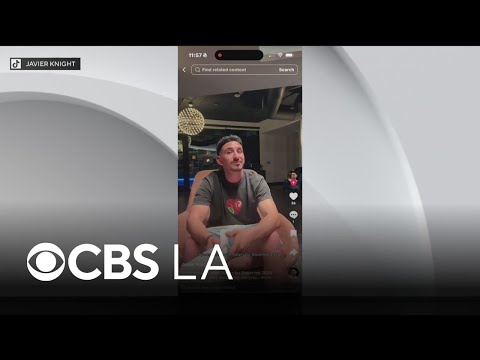
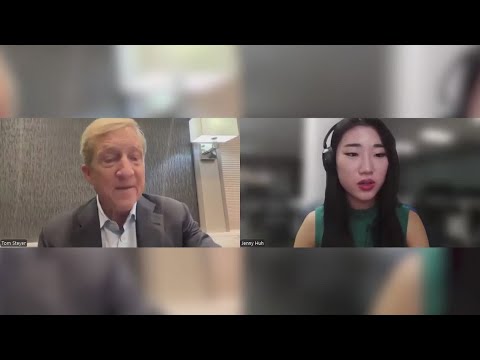
    Candidates including Tom Steyer pay influencers to post content; many posts lack required disclosures.

  6. California disclosure requirement takes effect

    Regulation

    State law begins requiring influencers to disclose paid political content, but no enforcement mechanism exists.

Scenarios

1

FPPC issues first influencer fines, setting precedent

Likely Resolves by Nov 30, 2028

Discussed by: California Fair Political Practices Commission, TechCrunch reporting

The commission identifies paid posts lacking disclosure during the 2028 cycle, issues initial fines of thousands of dollars, and publishes enforcement guidance that becomes the industry standard. Campaigns respond by making disclosure a standard contract term with influencers.

2

Legal challenge narrows the law's scope

Possible Resolves by End of 2028

Discussed by: First Amendment attorneys, campaign-finance watchers

An influencer or campaign committee challenges AB 1130 as overbroad, arguing the definition of paid political content captures too much speech. A court could narrow the law's application or strike parts of it, limiting enforcement to clear-cut cases.

3

Law stays quiet; enforcement rarely triggers

Possible Resolves by Nov 30, 2028

Discussed by: Campaign finance reform advocates

Campaigns adapt quickly, adding disclosure language to influencer contracts, and the FPPC educates rather than fines. The law changes behavior through deterrence rather than punishment, producing few public enforcement actions.

Historical Context

2 moments from history that rhyme with this story — and how they unfolded.

1960-ongoing

FCC broadcast sponsorship identification rules (1960)

The Federal Communications Commission required broadcasters to identify who paid for political ads on TV and radio, following payola scandals in the music industry and hidden political sponsorship.

Then

Broadcasters began labeling paid political content, and the requirement became routine practice.

Now

The rule established a baseline expectation that audiences can know who funds political messaging, a principle now extending to social media.

Why this matters now

AB 1130 transplants that broadcast-era transparency principle to influencer content, updating the rule for platforms where a single creator can reach millions.

2017-2020

Federal Trade Commission influencer disclosure crackdown (2017-2020)

The Federal Trade Commission sent warning letters to dozens of celebrities and influencers over undisclosed paid endorsements, then settled with several, including a 2017 case against YouTube's CSGO Lotto founders who failed to disclose ownership of a product they promoted.

Then

The FTC pushed platforms and influencers toward clearer labeling, and many brands added disclosure requirements to contracts.

Now

It established that sponsored content without disclosure violates consumer-protection law, though enforcement remained complaint-driven and mostly civil.

Why this matters now

Like AB 1130, it targeted undisclosed paid content. California's law adds criminal referral power and state-level fines specifically for political speech, which the FTC does not regulate.

Sources

(10)