

Pull to refresh
Logo
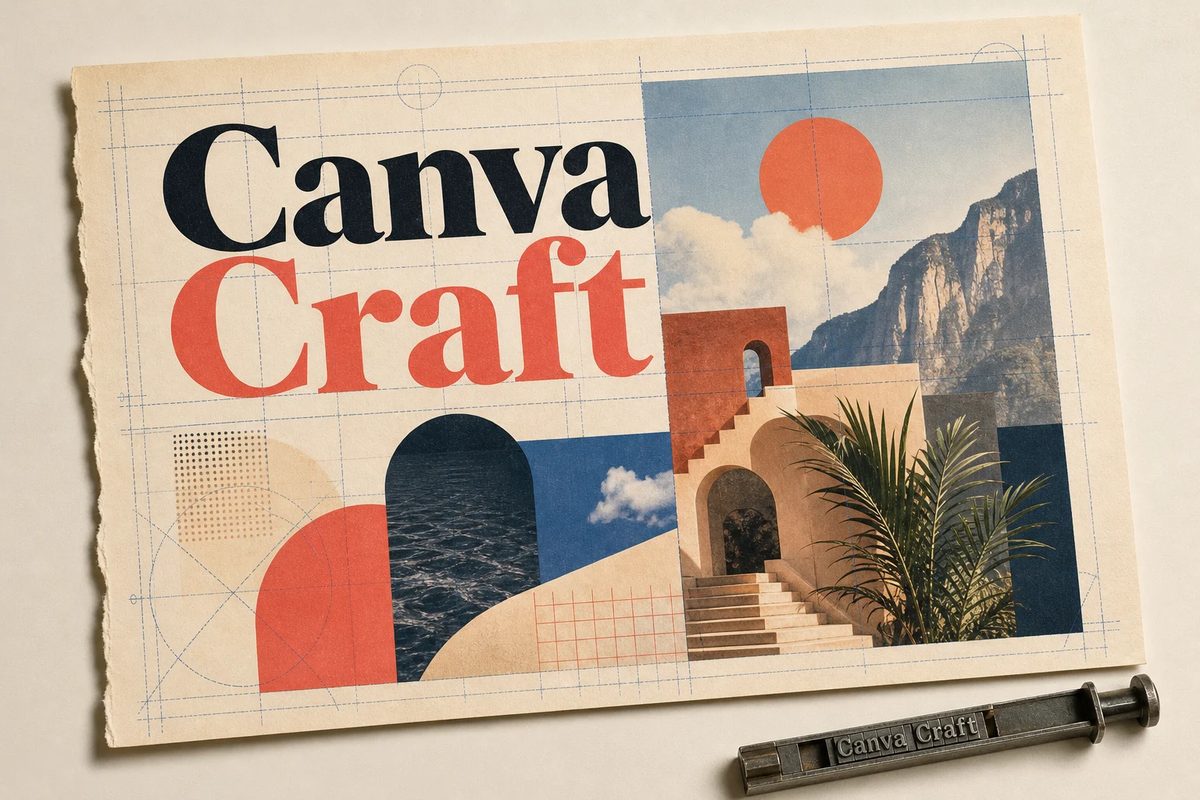
Canva launches in-house AI image model Craft

Canva launches in-house AI image model Craft

New Capabilities

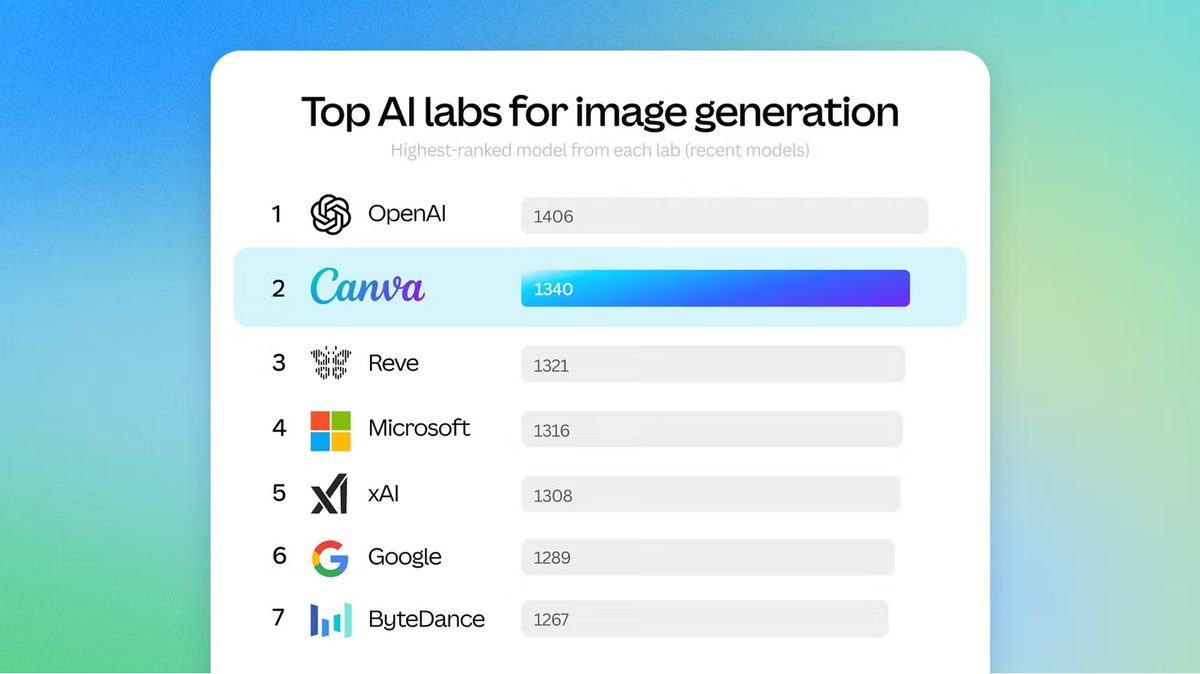
The design company claims the second-best image lab behind OpenAI; independent tests find a realism gap with ChatGPT

Overview

Updated 43 minutes ago

Canva built a business on arranging images other people made. On October 22, 2026, it began making them itself, with an in-house model called Craft.

Craft splits image generation into two steps. A planning model maps out objects, their scale, visual hierarchy and any text, then a rendering model draws the result at up to 2K resolution. Canva says that structure produces cleaner layouts, legible text and outputs that are easier to edit inside its design tools.

Why it matters

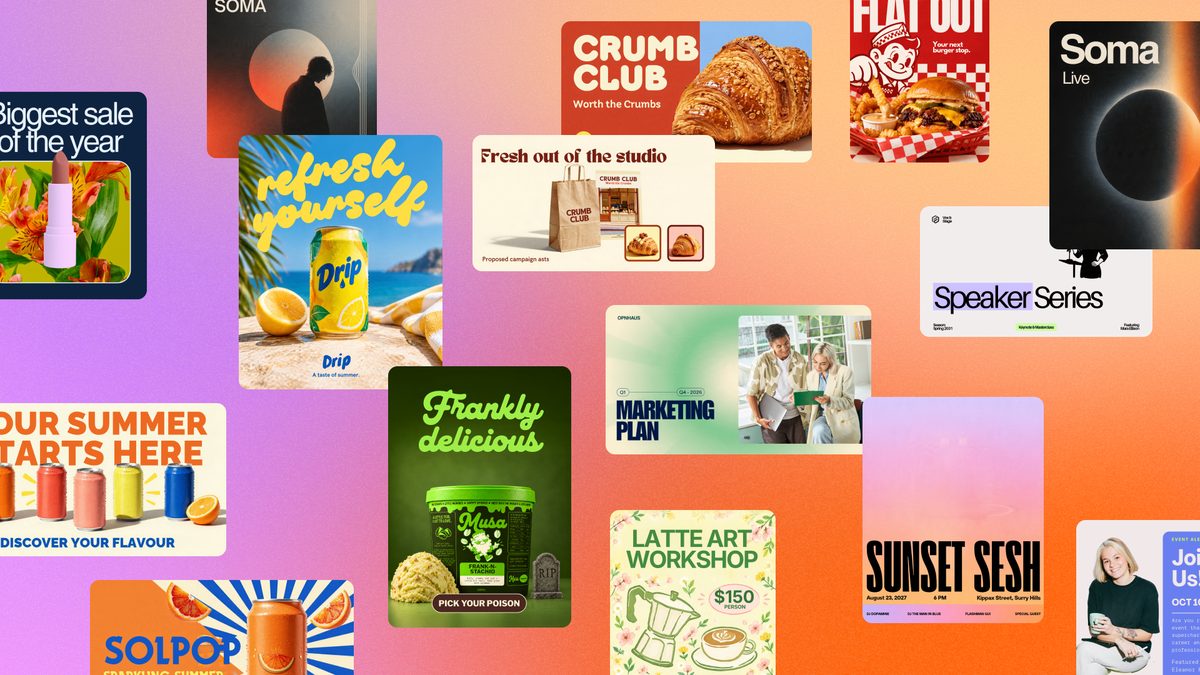
Canva's 250 million users can now generate a usable poster without leaving the design tool, pressuring standalone image models on price and workflow.

Questions about this story

Free account needed to ask — your question is kept and asked for you right after sign-up. Answers are public.

No questions yet — be the first to ask.

Key Indicators

2K
Maximum image resolution
Craft renders images at up to 2K resolution across more than 30 aspect ratios.
30+
Supported aspect ratios
The model can produce images in more than 30 shapes and orientations.
55
Languages for rendered text
Canva says Craft can render text in 55 languages.
#4
DesignArena overall rank at launch
Craft debuted fourth on the crowdsourced DesignArena leaderboard.
250 million
Canva monthly users
Canva says more than a quarter of a billion people use its platform.

Voices

Curated perspectives — historical figures and your fellow readers.

Sign up to generate historical perspectives on this story.

People Involved

Organizations Involved

Timeline

October 2026 November 2026

3 events Latest: Today
  1. Independent five-prompt test finds ChatGPT ahead on realism

    Today Evaluation

    TechRadar compared free tiers and preferred ChatGPT's photorealistic people.

  2. Canva launches Craft, its first in-house image model

    Product launch

    The two-stage model plans a composition, then renders it at up to 2K resolution.

  3. Craft opens to all Canva users and developers

    Availability

    Canva releases the model in Dream Lab and through its public API.

Scenarios

1

Canva ships Craft-fast and Craft-ultrafast variants

Likely Resolves by Q2 2027

Discussed by: Canva newsroom and developer blog

Canva says two faster, cheaper variants are coming, built on distillation and a custom inference engine. Shipping them would let Canva offer image generation at lower cost than frontier models while keeping users inside its editor.

2

Craft cracks DesignArena's top three

Possible Resolves by Apr 30, 2027

Discussed by: DesignArena leaderboard and TechRadar

Craft debuted fourth. A top-three overall ranking would support Canva's claim that its lab trails only OpenAI, and would narrow the quality gap independent testers found in photorealistic images.

3

Independent tests keep ChatGPT ahead on photorealistic people

Possible Resolves by Q2 2027

Discussed by: TechRadar

TechRadar's five-prompt comparison found Canva competitive on product and blog imagery but weaker on skin texture and facial consistency. If that pattern holds, Canva gains workflow convenience without winning the realism contest.

Historical Context

2 moments from history that rhyme with this story — and how they unfolded.

March 2023

Adobe Firefly (2023)

Adobe released a beta of Firefly, an image generator trained on its Stock library and public-domain work. It plugged the model directly into Photoshop and other Creative Cloud apps.

Then

Adobe pitched the model as commercially safe for enterprise customers and tied it to its existing subscription plans.

Now

Incumbent design platforms showed they could add generative images without sending users to a separate chatbot.

Why this matters now

Canva is running the same play: build the model, embed it in the editor, and sell it as part of the existing subscription.

June-November 2020

Apple switches to in-house silicon (2020)

Apple announced it would replace Intel processors in its Macs with chips designed in-house. The first M1 machines shipped in November 2020.

Then

The transition began with low-end Macs and expanded across the lineup over two years.

Now

Owning the chip design gave Apple control over performance, battery life and component costs.

Why this matters now

Canva's move is a software version of vertical integration: owning the image model reduces dependence on outside AI vendors and their pricing.

Sources

(8)