



Pull to refresh
Logo
Celldex antibody hits phase 3 goals for chronic hives, setting up 2027 FDA filing

Celldex antibody hits phase 3 goals for chronic hives, setting up 2027 FDA filing

New Capabilities

Barzolvolimab beat placebo in both EMBARQ-CSU trials; two anaphylaxis cases temper the win

Today: Phase 3 wins for barzolvolimab in chronic hives

Overview

Updated 1 hour ago

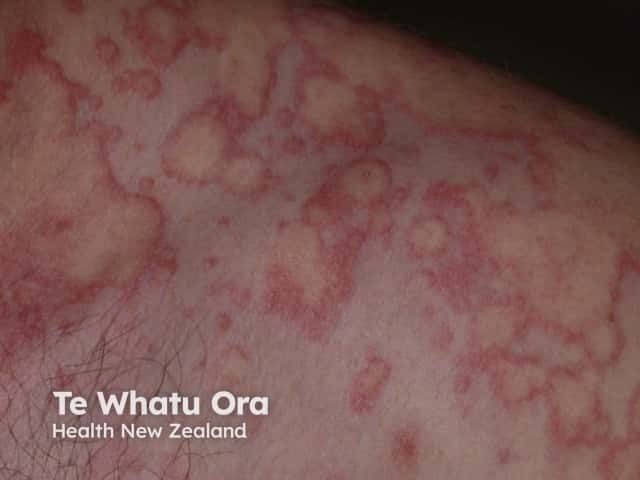
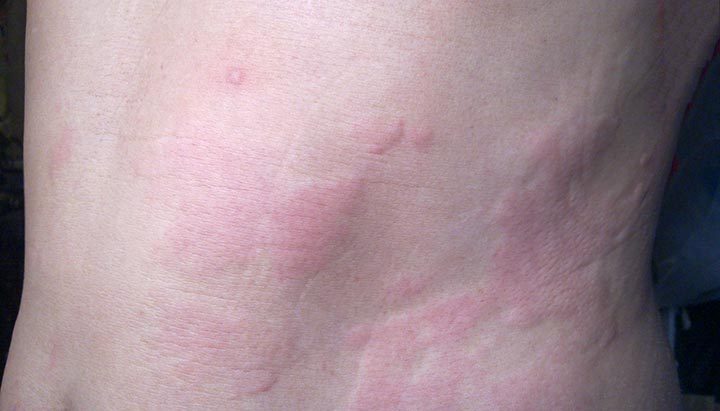
Celldex's experimental antibody barzolvolimab beat placebo in two Phase 3 trials for chronic spontaneous urticaria, the condition behind recurring hives and severe itching. Roughly 42% to 46% of treated patients were completely symptom-free at 12 weeks, versus about 10% on placebo. The drug works by depleting the mast cells that drive the disease—a mechanism no approved CSU therapy uses.

The results validate a strategy shift: Celldex abandoned oncology after repeated research failures and bet the company on barzolvolimab. The win sets up a Biologics License Application to the FDA in 2027—a potential first marketed product. But two cases of anaphylaxis in one dosing group knocked shares down roughly 13%, and the safety profile is now the question that decides how valuable this drug becomes.

Why it matters

If approved, barzolvolimab would be the first chronic-hives therapy to eliminate the mast cells driving the disease—a real alternative for patients who fail existing drugs.

Questions about this story

Free account needed to ask — your question is kept and asked for you right after sign-up. Answers are public.

No questions yet — be the first to ask.

Key Indicators

42–46%
Complete response at week 12
Across both trials and both doses, vs 9–13% on placebo.
54%
Best complete response at week 24
150 mg dose in EMBARQ-CSU2, showing the benefit held through 24 weeks.
1,939
Patients enrolled in Phase 3
The largest program run in antihistamine-refractory CSU, including omalizumab-refractory patients.
-13%
Celldex stock move after results
Investors focused on two grade 4 anaphylaxis cases in the 150 mg dosing group.

Voices

Curated perspectives — historical figures and your fellow readers.

Ever wondered what historical figures would say about today's headlines?

Sign up to generate historical perspectives on this story.

People Involved

Organizations Involved

Timeline

1 event Latest: Today
  1. Phase 3 wins for barzolvolimab in chronic hives

    Today Clinical Trial Results

    Both EMBARQ-CSU trials met primary and all key secondary endpoints; company plans BLA submission in 2027.

Scenarios

1

FDA approves barzolvolimab for chronic hives after 2027 BLA

Likely Resolves by End of 2028

Discussed by: Company guidance; Cantor Fitzgerald analyst Kristen Kluska

Celldex files the BLA in 2027 as planned. FDA review proceeds, possibly with an advisory committee given the anaphylaxis signal, and the agency grants approval. Barzolvolimab launches as a first-in-class anti-KIT therapy for antihistamine-refractory CSU, including patients who failed omalizumab.

2

Anaphylaxis cases trigger REMS or restricted-labeling requirements

Possible Resolves by End of 2028

Discussed by: Leerink analyst (outperform); BioPharma Dive coverage

The two grade 4 anaphylaxis events lead the FDA to require a Risk Evaluation and Mitigation Strategy (REMS), a boxed warning, or mandatory first-dose observation in a clinic. Approval still happens but carries use restrictions that could slow adoption, especially in primary-care settings. Celldex would need to fund post-marketing safety studies.

3

BLA filing slips past 2027

Unlikely Resolves by End of 2027

Discussed by: Regulatory-risk watchers tracking company timelines

The FDA requests additional analyses or long-term safety data, pushing BLA submission into 2028. A delay postpones approval and gives competitors—omalizumab biosimilars and dupilumab—more time in the market. Investors would likely punish the stock on a timeline slip after such strong efficacy data.

Historical Context

2 moments from history that rhyme with this story — and how they unfolded.

2001–2002

Imatinib (Gleevec) validates KIT as a drug target (2001)

Imatinib, sold as Gleevec, showed that blocking KIT—a receptor tyrosine kinase on mast cells and other cells—produced dramatic responses in chronic myeloid leukemia and gastrointestinal stromal tumors. It was one of the first targeted cancer therapies.

Then

Gleevec transformed CML from a fatal illness into a manageable chronic disease within a few years.

Now

It established KIT as a druggable receptor and laid the scientific groundwork for later anti-KIT approaches in non-cancer conditions.

Why this matters now

Barzolvolimab extends the KIT story from oncology to immunology, using an antibody to block stem cell factor signaling and deplete the mast cells that drive hives.

March 2014

Omalizumab (Xolair) approval for CSU (2014)

The FDA approved omalizumab, an anti-IgE antibody, as a treatment for chronic spontaneous urticaria in patients who didn't respond to antihistamines. It was the first biologic for the condition and became a standard add-on therapy sold by Novartis and Roche.

Then

Omalizumab became the go-to add-on for refractory CSU, though a substantial fraction of patients still didn't get full relief.

Now

It proved biologics could work in CSU and built the market barzolvolimab now targets—including patients who don't respond to omalizumab itself.

Why this matters now

Barzolvolimab is designed to help exactly the patients Xolair leaves behind, and the Phase 3 program specifically enrolled omalizumab-refractory patients.

Sources

(7)