
Discovery of the antiproton at Berkeley (1955)
Owen Chamberlain and Emilio Segrè used the Bevatron accelerator at the University of California, Berkeley, to produce and identify the antiproton — the antimatter counterpart of the proton. The discovery confirmed a prediction Paul Dirac had made 27 years earlier and earned both physicists the 1959 Nobel Prize in Physics.
The discovery validated Dirac's relativistic quantum theory and opened the field of antimatter research, prompting accelerator laboratories worldwide to pursue antiparticle experiments.
Antimatter moved from theoretical prediction to experimental reality, eventually leading CERN to build dedicated facilities — the Low Energy Antiproton Ring, the Antiproton Decelerator, and ELENA — to produce and study antiprotons at low energies.
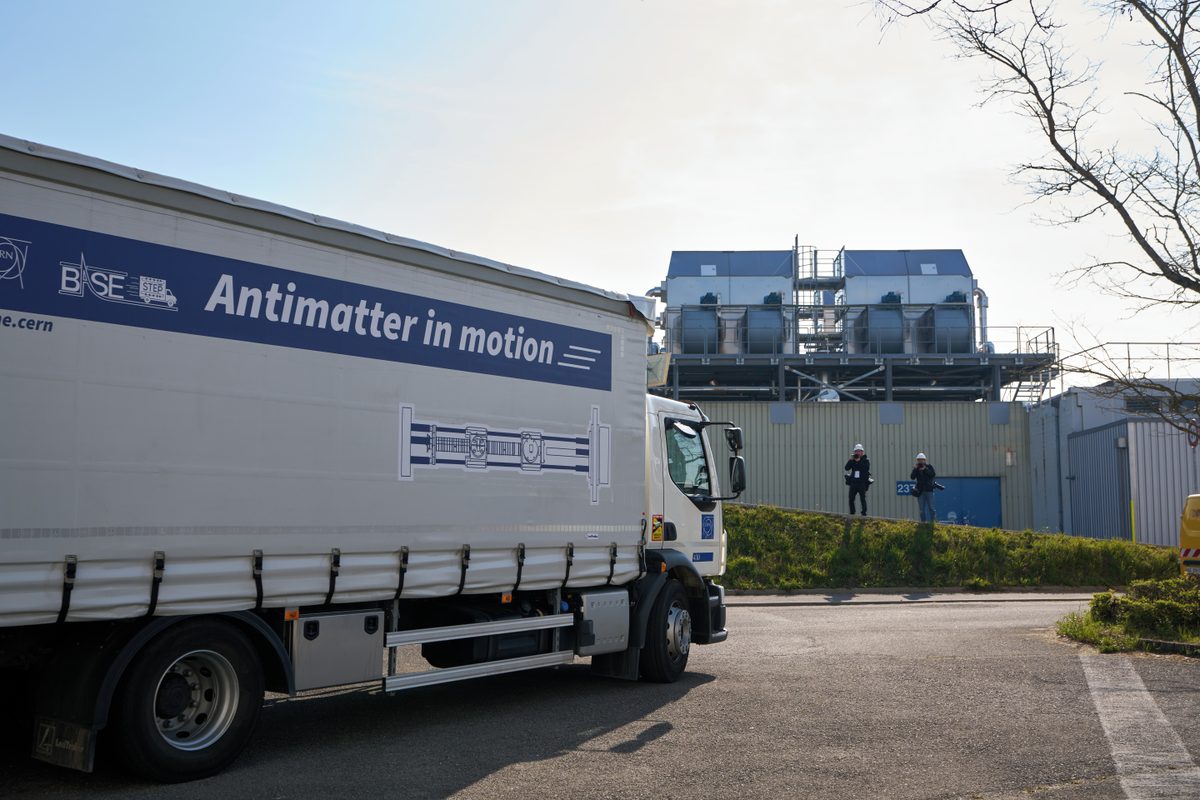
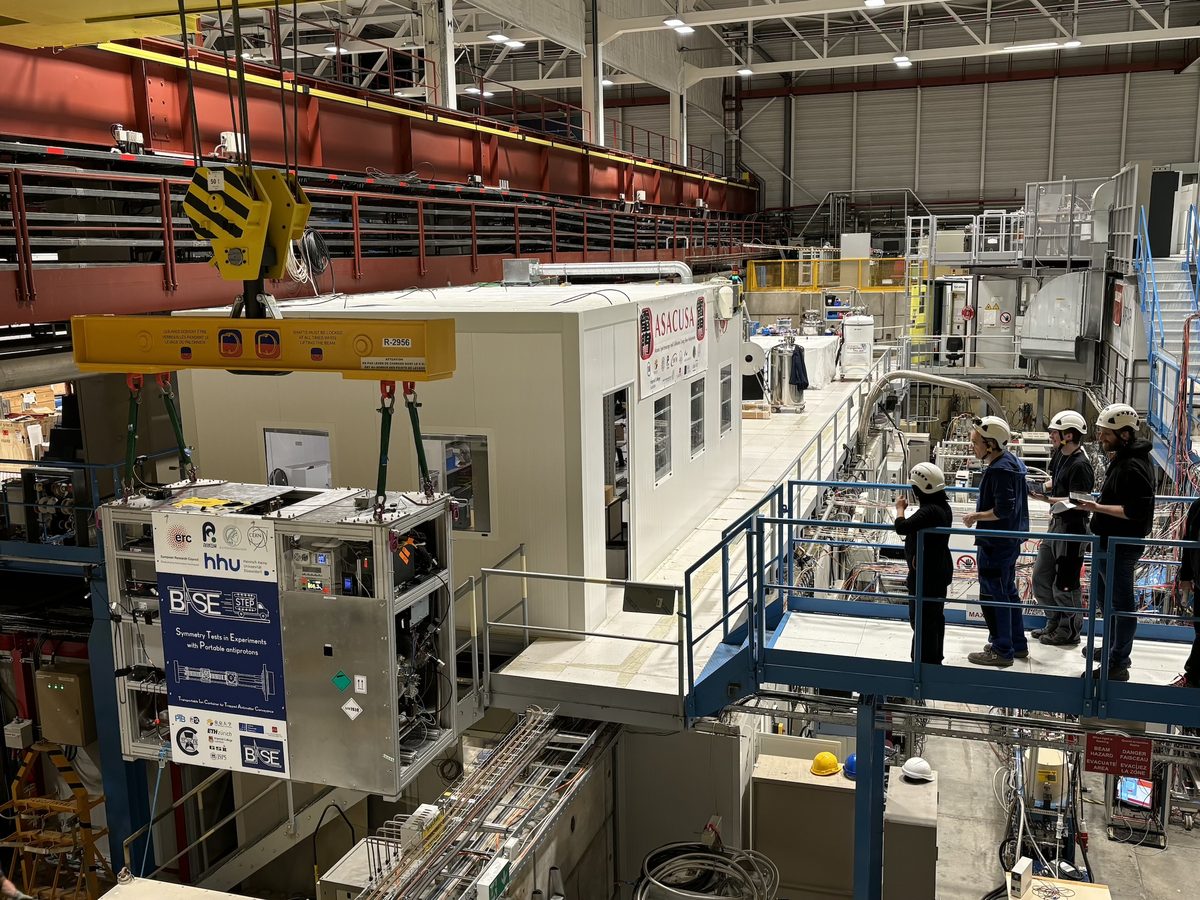
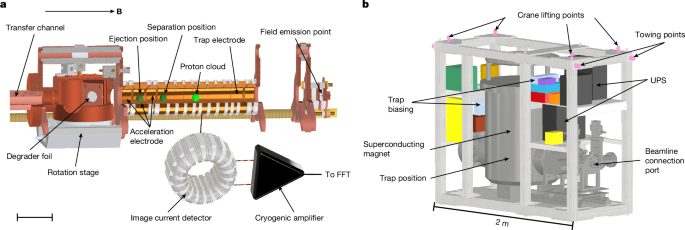
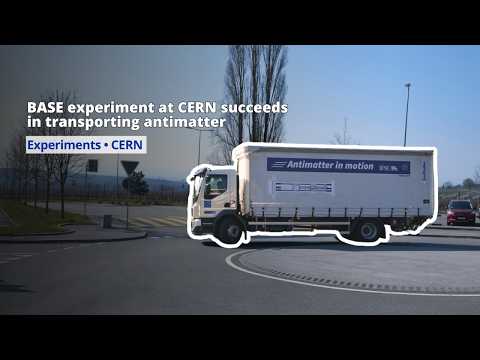
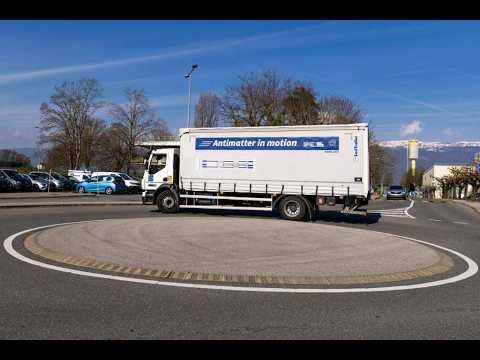
The 2026 transport is a direct descendant of this work: 71 years after antiprotons were first created, they can now leave the building. Each milestone has progressively domesticated antimatter — from creation, to storage, to precision measurement, and now to portability.