
Pull to refresh
Logo
Appeals court upholds Oklahoma environmental authority on tribal lands

Appeals court upholds Oklahoma environmental authority on tribal lands

Rule Changes

Tenth Circuit's 2-1 ruling rejects Pawnee Nation's bid to require tribal safeguards on state permits

Today: Tenth Circuit rules 2-1 for EPA and Oklahoma

Overview

Updated 1 hour ago

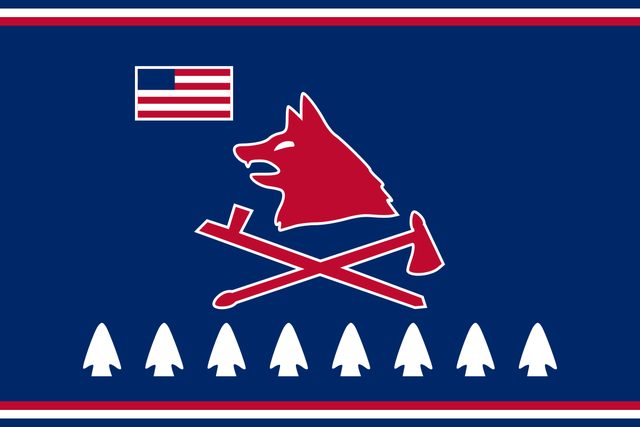
A federal appeals court upheld Oklahoma's power to run environmental programs on tribal lands, rejecting a challenge from the Pawnee Nation. The 2-1 ruling from the U.S. Court of Appeals for the Tenth Circuit leaves state agencies — not tribal governments — as the primary regulators for air and waste permits inside areas of Indian Country.

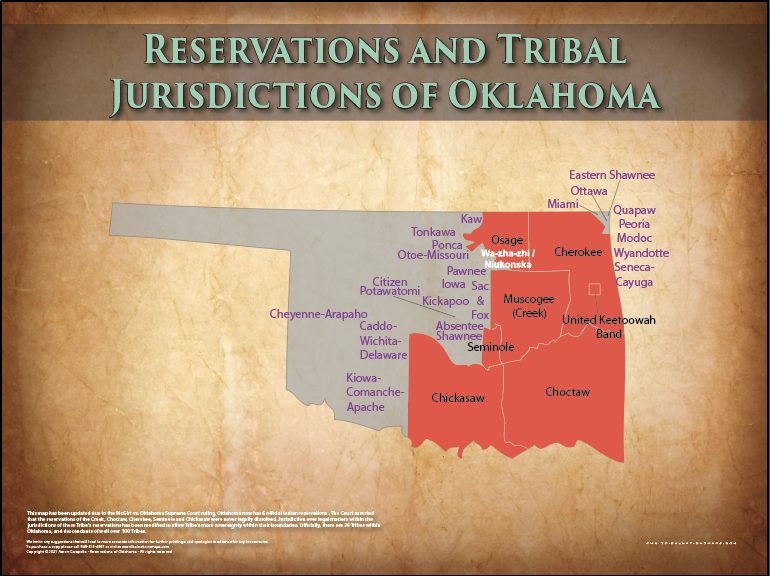
The dispute traces to a little-noticed provision in a 2005 transportation law that lets Oklahoma take over environmental authority on tribal lands. Oklahoma invoked it in 2020 after the Supreme Court recognized much of eastern Oklahoma as reservation territory. The ruling cements that shift, though the Pawnee Nation can still seek a broader review.

Why it matters

Facilities on Oklahoma tribal lands now get environmental permits from the state, not tribal or federal authorities — and tribal governments have no veto.

Questions about this story

Free account needed to ask — your question is kept and asked for you right after sign-up. Answers are public.

No questions yet — be the first to ask.

Key Indicators

2-1
Panel vote favoring Oklahoma and EPA
Two judges upheld the EPA's decision; one Biden appointee dissented.
2020
Year of the McGirt decision and Stitt's request
The Supreme Court ruling and Oklahoma's application both came in 2020.
38
Tribal governments offered EPA consultation
EPA said it offered consultation to all 38 tribal governments with lands in Oklahoma.

Voices

Curated perspectives — historical figures and your fellow readers.

Ever wondered what historical figures would say about today's headlines?

Sign up to generate historical perspectives on this story.

People Involved

Organizations Involved

Timeline

August 2005 October 2026

10 events Latest: Today
Tap a bar to jump to that date
  1. EPA publishes delegation rule for Indian Country air permits

    Regulatory

    Rule effective January 20, 2026, delegates air permitting to Oklahoma's environmental agency in the covered areas.

  2. EPA Administrator Zeldin removes the coordination condition

    Regulatory

    Zeldin calls the tribal coordination requirement unauthorized and issues a final decision without it.

  3. EPA re-approves with tribal coordination condition

    Regulatory

    Acting Administrator Jane Nishida approves Oklahoma's authority but requires state consultation with affected tribes.

  4. Biden administration reverses the approval

    Regulatory

    EPA withdraws the 2020 decision after objections from several tribes, including the Pawnee Nation.

  5. EPA approves Oklahoma's request

    Regulatory

    The first Trump administration approves Oklahoma's environmental authority over the covered tribal lands.

Scenarios

1

Tenth Circuit agrees to rehear the case en banc

Unlikely Resolves by Feb 1, 2027

Discussed by: Circular Wire, which flags rehearing en banc as a milestone that would reopen the regulatory pathway

The Pawnee Nation has roughly 45 days to seek rehearing before the full court. The 2-1 split gives the tribe a plausible hook, but en banc grants are rare, and the majority's reading of the statute is straightforward. A grant would reset the clock on permitting decisions that had begun to stabilize.

2

Supreme Court takes up tribal land authority

Possible Resolves by Apr 1, 2027

Discussed by: Reuters and legal observers noting the dispute's connection to McGirt v. Oklahoma

The Pawnee Nation could petition for certiorari within 90 days of the judgment. The Court has shown continuing interest in McGirt-related jurisdiction questions, which could draw the case in despite cert being discretionary. If granted, the outcome would reshape the balance between state and tribal authority across Oklahoma.

3

Ruling stands; Oklahoma retains environmental authority

Likely Resolves by Jun 1, 2027

Discussed by: Court Cast and Oklahoma Energy Today, which describe the decision as a setback for the tribe

If no further review is granted, the panel decision stands and Oklahoma's agencies remain the environmental regulators for the covered areas of Indian Country. The EPA may still publish implementation guidance on how Oklahoma should coordinate with tribal authorities on permits, setting day-to-day operating rules.

Historical Context

3 moments from history that rhyme with this story — and how they unfolded.

July 2020

McGirt v. Oklahoma (2020)

The Supreme Court ruled 5-4 that Congress never disestablished the Muscogee (Creek) Nation's reservation, meaning much of eastern Oklahoma remains Indian Country under federal law. The decision extended to other tribes and threw state criminal jurisdiction into question across a large swath of the state.

Then

State authorities lost jurisdiction over crimes and some civil matters involving tribal citizens on reservation lands.

Now

The ruling triggered state and federal efforts to clarify and reallocate authority, including Oklahoma's 2020 request for environmental program authority.

Why this matters now

McGirt is the direct trigger for this dispute. It created the legal uncertainty that led Governor Stitt to invoke the 2005 SAFETEA provision, which the Tenth Circuit has now upheld.

1953

Public Law 280 (1953)

Congress gave five states — California, Minnesota, Nebraska, Oregon, and Wisconsin — criminal and civil jurisdiction over Indian Country within their borders, with other states allowed to opt in. The law shifted substantial authority from federal and tribal hands to states, often without tribal consent.

Then

Affected tribes lost jurisdiction over many matters to state courts and law enforcement.

Now

Public Law 280 became a cautionary example of Congress delegating state authority over tribal lands, and several states retroceded jurisdiction.

Why this matters now

SAFETEA's provision is a narrower, program-specific version of the same mechanism: Congress letting states take over authority on tribal lands. The same tension — state power versus tribal sovereignty — runs through both.

March 1832

Worcester v. Georgia (1832)

The Supreme Court under Chief Justice John Marshall ruled that Georgia could not impose its laws on Cherokee Nation territory. The decision declared that the Cherokee Nation was a distinct political community with sovereign authority over its lands, subject only to the federal government.

Then

President Andrew Jackson declined to enforce the ruling, and Georgia continued its removal efforts, culminating in the Trail of Tears.

Now

Worcester became the foundational statement of tribal sovereignty, establishing that states have no authority over tribal lands absent congressional action.

Why this matters now

The case frames the core question here: when can states exercise authority over tribal lands? The Tenth Circuit's ruling holds that Congress intentionally authorized Oklahoma's role through the 2005 statute.

Sources

(8)