
Pull to refresh
Logo
Chicago's first video gambling terminals go live in bars and restaurants

Chicago's first video gambling terminals go live in bars and restaurants

Rule Changes Chicago, IL local

Eight businesses opened machines after the city ended its ban to help balance the 2026 budget.

Overview

Updated 33 minutes ago

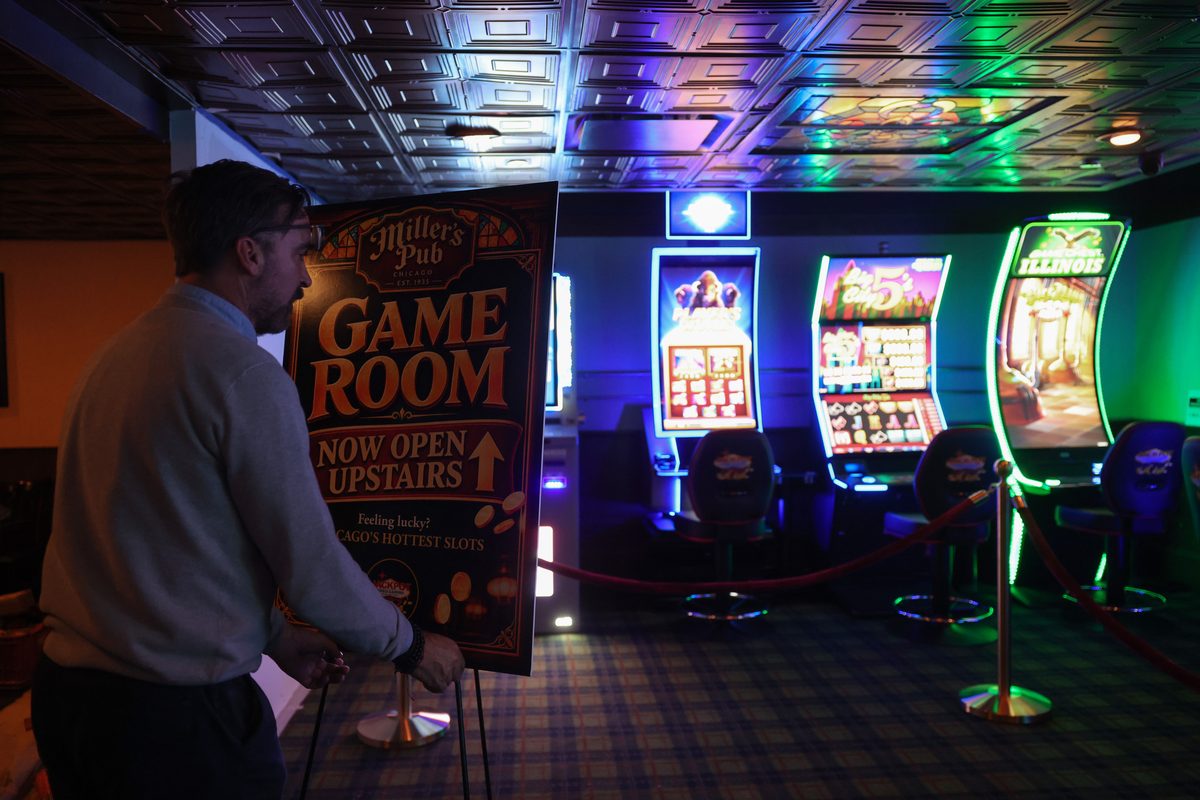
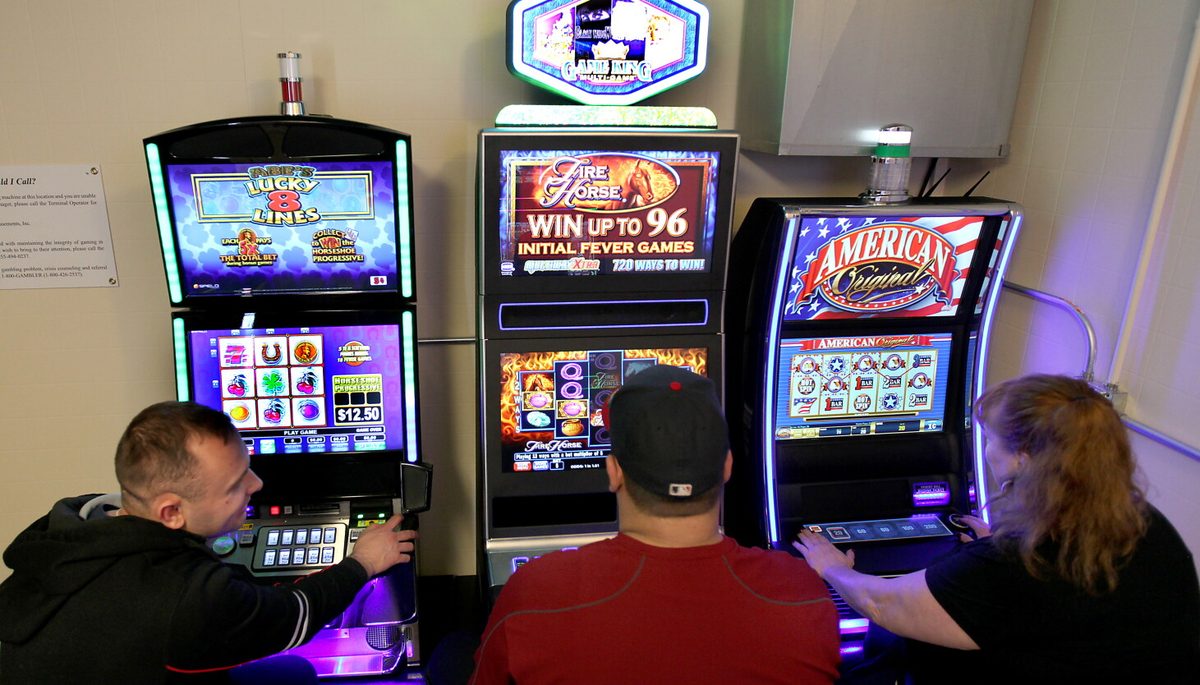
Eight Chicago bars and restaurants, including Miller's Pub in the Loop, switched on video gambling terminals in November 2026. The machines are the first legal slot-style gambling outside a casino in a city that had banned them for more than a decade.

Chicago authorized the terminals in its 2026 budget as an alternative to Mayor Brandon Johnson's proposed corporate head tax. The city then delayed licensing until Oct. 23, and the first operators needed both state and city approval before going live. As of Nov. 23, 100 Chicago establishments had state licenses, 297 applications were pending and eight businesses were operating.

Why it matters

Chicago is turning bars and restaurants into small gambling rooms, testing whether licensing fees can fill a budget hole without undercutting its casino.

Last Monday's email for Chicago, IL

Sent Nov 23. It carried:

Get next Monday's: one short email a week. Free. Unsubscribe in one click.

Questions about this story

Free account needed to ask — your question is kept and asked for you right after sign-up. Answers are public.

No questions yet — be the first to ask.

Key Indicators

8
Chicago businesses with active terminals
As of Nov. 23, 2026, eight had city and operator licenses and were open to the public.
100
Chicago establishments with state licenses
The Illinois Gaming Board had approved 100 Chicago establishments for video gaming.
297
Pending Chicago applications
Additional Chicago establishments were waiting for state approval as of Nov. 20, 2026.
20
City-approved businesses
Of the 100 state-licensed businesses, 20 had received the city's green light.
49,000
Video gaming terminals statewide
Illinois has about 49,000 machines across 9,000 locations, according to the state gaming board.
$6.8M
Projected first-year net revenue
The final 2026 budget estimated $6.8 million, mostly from licensing fees.
35%
State tax on net terminal income
The state takes 30 percent and the municipality takes 5 percent of net income.
6
Maximum terminals per location
Chicago locations may have no more than six video gaming machines.

Voices

Curated perspectives — historical figures and your fellow readers.

Sign up to generate historical perspectives on this story.

People Involved

Organizations Involved

Timeline

2009 November 2026

6 events Latest: Today
Tap a bar to jump to that date
  1. Block Club identifies first eight operating locations

    Today Report

    Report lists Miller's Pub, Cork and Kerry, D'Agostino's and five others with active terminals.

  2. Miller's Pub switches on six terminals

    Opening

    Loop restaurant opens its second-floor game room; other first-wave businesses also activate machines.

  3. Chicago starts issuing video gaming licenses

    Licensing

    The city approves local licenses after months of delay; state and city approval are both required.

  4. Chicago City Council legalizes video gambling

    Legislation

    Alternative 2026 budget replaces the mayor's corporate head tax with terminal revenue and passes without his signature.

  5. First Illinois video gambling terminals begin operating

    Rollout

    State rollout starts after legalization; the network grows to about 49,000 machines.

  6. Illinois legalizes video gaming terminals

    Legislation

    Public Act 96-0034 lets liquor-licensed businesses install up to six terminals; cities may opt out.

Scenarios

1

Chicago licenses dozens more video gambling locations by summer 2027

Likely Resolves by Q2 2027

Discussed by: City officials and Illinois Gaming Board licensing data

The city has 297 pending state applications to process. If licensing speeds up, more bars and restaurants will add machines through 2027. The pace depends on city inspections and terminal operator approvals, not just state licenses.

2

Bally's challenge stalls Chicago video gambling expansion

Possible Resolves by Q2 2027

Discussed by: Bally's Chicago and city officials

Bally's says the terminals conflict with its agreement with Chicago. A court challenge or settlement could pause new licenses or terminal activations while the dispute is resolved. The city would then face pressure to protect casino revenue and terminal revenue at the same time.

3

Chicago video gambling revenue misses the first-year budget projection

Uncertain Resolves by End of 2027

Discussed by: Civic Federation and city budget documents

The 2026 budget projected $6.8 million in net revenue, mostly from licensing fees. If fewer businesses open or play is slower than expected, actual revenue could fall short. That would matter for the 2027 budget, when the city may need to replace one-time licensing money with ongoing tax revenue.

Historical Context

3 moments from history that rhyme with this story — and how they unfolded.

2009

Illinois legalizes video gaming (2009)

Illinois passed Public Act 96-0034, allowing up to six video gaming terminals in liquor-licensed businesses. Municipalities could ban the machines within their borders.

Then

Terminals began operating in 2012 after the state set up licensing.

Now

By 2025, Illinois had about 49,000 terminals across 9,000 locations. Chicago had opted out.

Why this matters now

Chicago is now using the state licensing system it had rejected, starting with a small first wave of eight businesses.

2012

Illinois video gaming terminals go live (2012)

The first legal video gaming terminals opened in Illinois after the 2009 law. The state built a licensing system for establishments and terminal operators.

Then

The machines spread to bars, restaurants and truck stops outside Chicago.

Now

The Illinois Gaming Board says the state now has the largest regulated video gaming network in the world.

Why this matters now

Chicago's first eight locations are a late local launch inside a mature state system, so licensing rules and operator networks already exist.

Until December 2025

Chicago's video gambling ban (until 2025)

Chicago prohibited video gaming terminals even though state law allowed them. More than 7,000 sweepstakes machines operated in bars, restaurants and gas stations in the city.

Then

City Council legalized video gaming terminals in the 2026 budget to raise revenue.

Now

The city began licensing terminals in October 2026, with eight businesses operating by late November.

Why this matters now

The rollout puts regulated terminals into a market that already had unregulated sweepstakes machines and a planned Bally's casino.

Sources

(4)