

Pull to refresh
Logo
China adds 10.52 million urban jobs in first nine months, plans services hiring push

China adds 10.52 million urban jobs in first nine months, plans services hiring push

Rule Changes

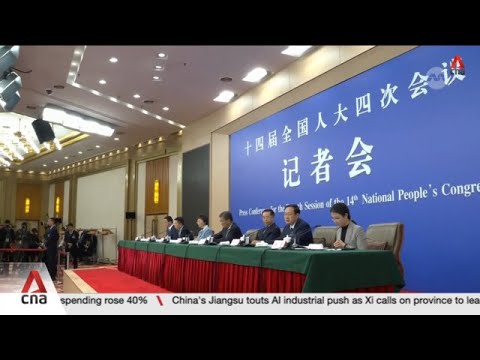
Labour ministry says employment is 'generally stable' after unemployment averaged 5.2% from January to August

Today: Ministry reports 10.52 million urban jobs, plans services policy

Overview

Updated 1 hour ago

China added 10.52 million urban jobs in the first nine months of 2026, hitting 87.7% of its annual target. The surveyed urban unemployment rate averaged 5.2% from January through August, which the labour ministry described as "generally stable."

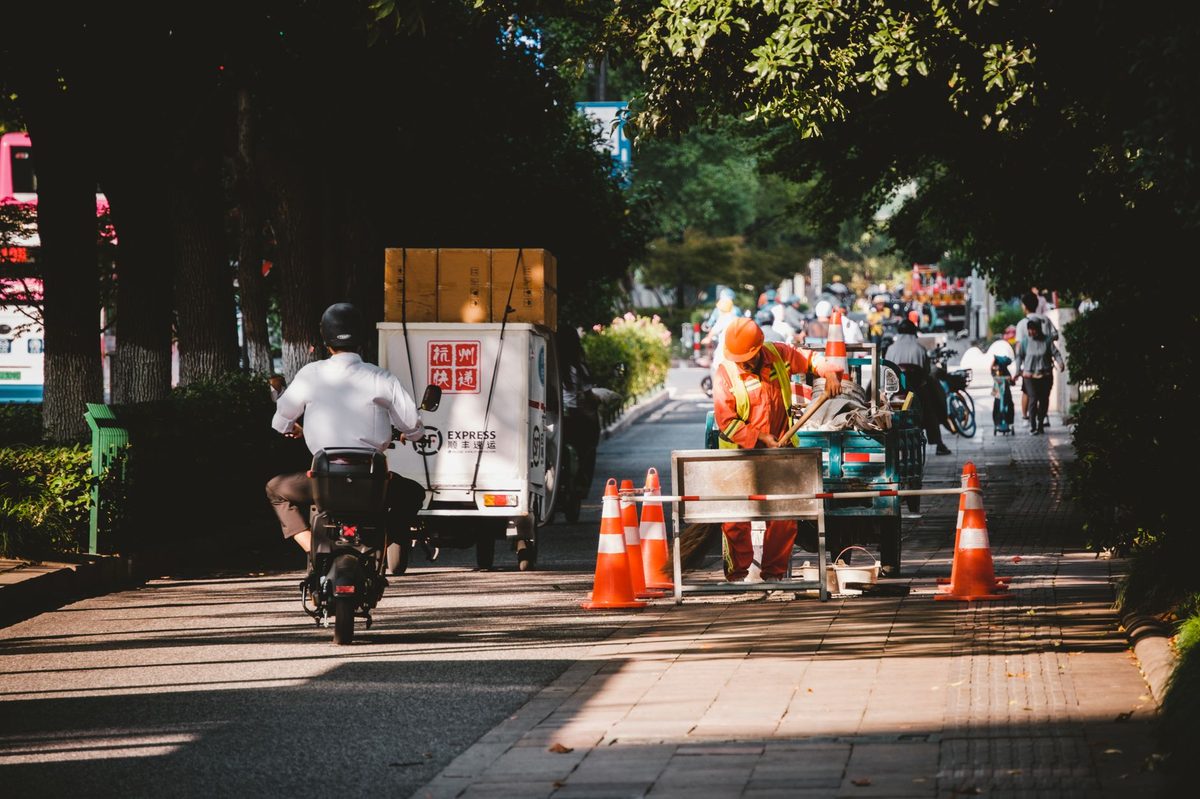
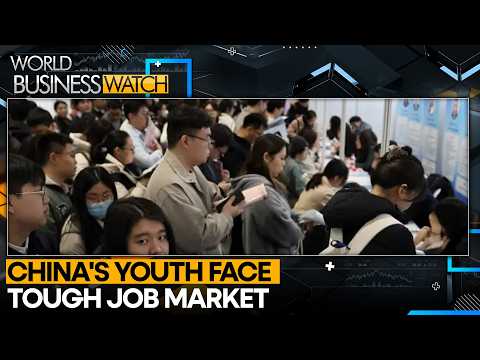
The ministry is drafting policy to make services the country's main job absorber. New programs target university graduates, delivery riders, ride-hailing drivers and livestream hosts, the fastest-growing slices of the workforce.

Services already employ about half of China's workers. The open question is whether that share climbs fast enough to offset factory and construction losses from automation and a weak property market.

Why it matters

China's shift from factory jobs to services decides whether a 5.2% unemployment rate survives AI automation and a weak property market.

Questions about this story

Free account needed to ask — your question is kept and asked for you right after sign-up. Answers are public.

No questions yet — be the first to ask.

Key Indicators

10.52M
Urban jobs added, Jan-Sept 2026
87.7% of the annual target, implying a full-year goal of roughly 12 million.
87.7%
Annual jobs target completed
Ministry stated completion through September at a State Council briefing.
5.2%
Average surveyed urban unemployment, Jan-Aug
Ministry described the employment situation as generally stable.
$1.67T
Social insurance funds combined balance
Pension, unemployment and work-injury funds at end-September: 11.2 trillion yuan.
~50%
Services share of workforce, end-2025
Up from 48.8% a year earlier, according to the National Bureau of Statistics.

Voices

Curated perspectives — historical figures and your fellow readers.

Ever wondered what historical figures would say about today's headlines?

Sign up to generate historical perspectives on this story.

People Involved

Organizations Involved

Timeline

2 events Latest: Today
  1. Ministry reports 10.52 million urban jobs, plans services policy

    Today Statement

    Labour ministry announces Jan-Sept jobs data and outlines plans to make services the main hiring channel.

  2. Flexible-worker rights protections opened for comment

    Policy

    Ministry opened draft measures on new employment forms workers' rights to public comment.

Scenarios

1

China meets 2026 urban jobs target of about 12 million

Likely Resolves by Feb 28, 2027

Discussed by: Ministry officials, who called employment 'generally stable' at the October 10 briefing; Reuters covered the jobs report

Full-year urban new jobs reach the implied target of roughly 12 million. Services hiring in delivery, retail, hospitality and new employment forms offsets manufacturing and construction losses. The ministry confirms the figure in its year-end release.

2

Services-sector jobs policy document issued by mid-2027

Likely Resolves by Q2 2027

Discussed by: Vice Minister Li Zhong, who said the ministry will work with other departments on the document

The coordinated policy document on services-sector employment development is formally published. It names target industries and hiring measures, giving the services-to-jobs shift a concrete framework beyond the two plans and five campaigns announced in October.

3

Weak fourth quarter pushes China below its 12 million target

Unlikely Resolves by Feb 28, 2027

Discussed by: Reuters, which noted 'economic headwinds' in its coverage of the jobs report

Job growth slows in the final quarter as AI-driven displacement and property-sector weakness bite. Services hiring cannot fully absorb the losses, and year-end totals land below 12 million for the first year of the 15th five-year plan.

Historical Context

3 moments from history that rhyme with this story — and how they unfolded.

1997-2001

State-owned enterprise layoffs (1997-2001)

Restructuring of state-owned enterprises shed millions of industrial workers, concentrating job losses in heavy-industry regions like the northeast. The services and private sectors gradually absorbed the displaced labor.

Then

Mass dislocation hit industrial cities; many laid-off workers took informal or low-paid work.

Now

By the 2000s, services and private enterprise had become the dominant employers in urban China.

Why this matters now

Today's policy repeats that bet, with delivery riders and livestream hosts replacing the factory jobs of the 1990s transition.

November 2008-2010

Four-trillion-yuan stimulus (2008-09)

Beijing responded to the global financial crisis with a 4 trillion yuan (about $586 billion) stimulus package, expanding credit and infrastructure spending to keep factories running and protect jobs.

Then

Employment rebounded quickly and GDP growth returned to double digits by 2010.

Now

Left a legacy of debt, industrial overcapacity and local government financing pressure.

Why this matters now

The current services-first approach is a different playbook, leaning on consumer-services demand rather than stimulus-funded construction.

June-December 2023

Youth unemployment data redesign (2023)

China's surveyed unemployment rate for 16-24 year-olds hit a record 21.3% in June 2023. Beijing stopped publishing the figure that month, then resumed with a redesigned measure excluding students.

Then

The restructured non-student youth rate, published from January 2024, was far lower than the old series.

Now

Youth employment became a politically sensitive indicator, and Beijing now runs dedicated youth hiring programs.

Why this matters now

The ministry's new university graduate support plan responds directly to that sensitivity.

Sources

(8)