


Pull to refresh
Logo
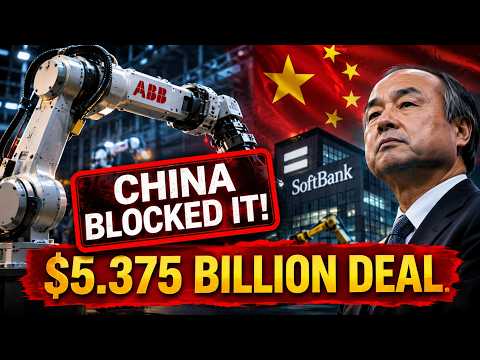
China blocks SoftBank's purchase of ABB's robotics business

China blocks SoftBank's purchase of ABB's robotics business

Rule Changes

A security review vetoed the $5.4 billion deal after antitrust clearance. SoftBank and ABB are now weighing a carve-out of the Chinese operations.

Overview

Updated Yesterday

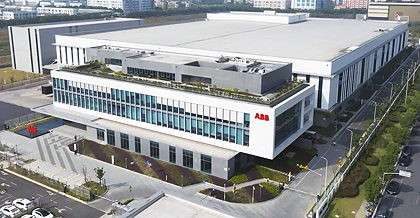
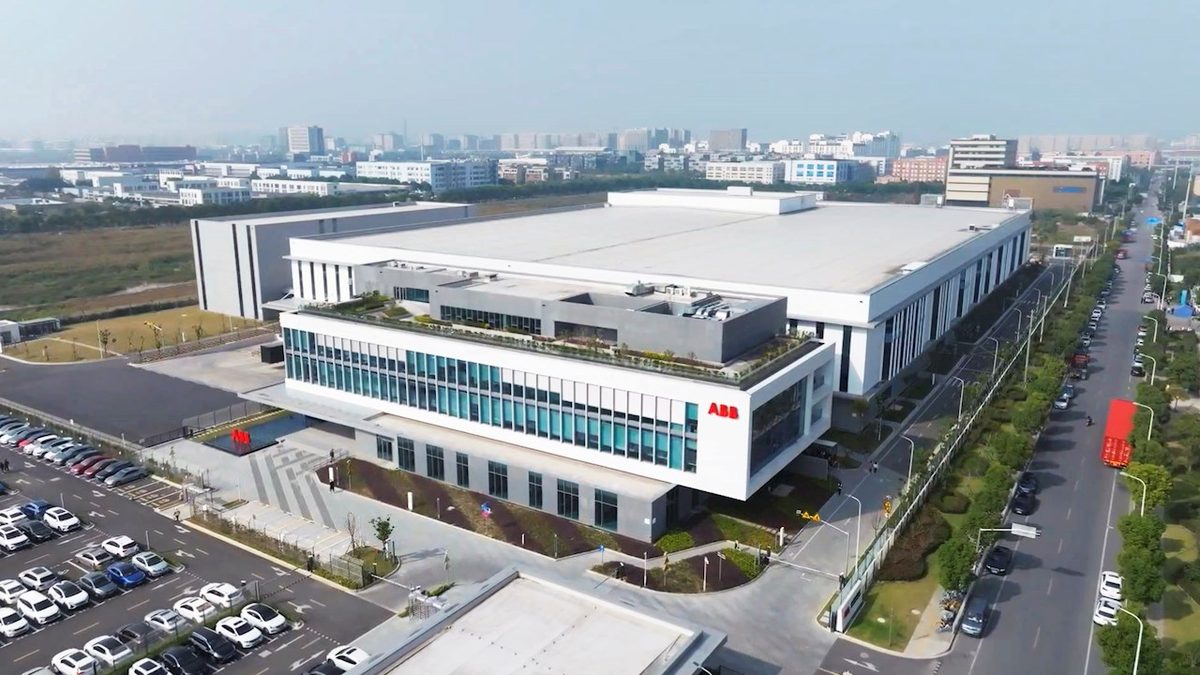
ABB builds more than 90% of the robots it sells in China inside China, at a factory in Shanghai's Pudong district. On November 4, the country's foreign-investment security review told SoftBank it could not buy the business that runs it.

The veto came months after the same deal cleared China's antitrust review. It leaves SoftBank's $5.4 billion agreement to buy ABB's robotics unit in limbo and puts a hole in Masayoshi Son's plan to build a physical-AI business.

Why it matters

A buyer can clear antitrust and still lose the deal, because China now treats factory data as a security asset.

Questions about this story

Free account needed to ask — your question is kept and asked for you right after sign-up. Answers are public.

No questions yet — be the first to ask.

Key Indicators

$5.4B
Deal value
Price SoftBank agreed to pay for ABB's robotics division in October 2025.
90%
Robots made locally
Share of ABB robots for Chinese customers manufactured in China.
7,000
Robotics employees worldwide
ABB's robotics division headcount at the time of the sale announcement.
$2.3B
Robotics revenue (2024)
Annual revenue of the division SoftBank agreed to buy.
$150M
Shanghai factory investment
Cost of ABB's Pudong robotics mega-factory, which opened in 2022.

Voices

Curated perspectives — historical figures and your fellow readers.

Sign up to generate historical perspectives on this story.

People Involved

Organizations Involved

Timeline

October 2025 November 2026

5 events Latest: Yesterday
Tap a bar to jump to that date
  1. SoftBank and ABB weigh a China carve-out

    Latest Deal

    The companies and their advisers explore excluding the Chinese operations to salvage the transaction.

  2. SoftBank and ABB confirm the block

    Statement

    SoftBank says it is in close dialogue with ABB; ABB confirms Chinese regulators prohibited the acquisition.

  3. China's security review prohibits the acquisition

    Regulatory

    The foreign-investment security review notifies SoftBank that the deal cannot proceed in China.

  4. Deal clears China's antitrust review

    Regulatory

    Competition approval moves the transaction to a separate foreign-investment security review.

  5. SoftBank agrees to buy ABB Robotics for $5.4 billion

    Deal

    The definitive agreement covers ABB's global robotics division, including its Shanghai factory.

Scenarios

1

Carve-out lets the deal close without China

Possible Resolves by Q2 2027

Discussed by: Bloomberg, citing people familiar with the matter

SoftBank and ABB restructure the purchase to exclude ABB Robotics' Chinese operations, or spin them to a Chinese owner, and close the rest. The structure would need to satisfy the review's concerns about data and manufacturing. Bloomberg reported the two companies and their advisers were exploring this path within a day of the veto.

2

SoftBank refiles and China approves with conditions

Unlikely Resolves by Q2 2027

Discussed by: Financial Times, citing people familiar with SoftBank's thinking

SoftBank tries to learn what went wrong and whether it can seek approval again, possibly accepting conditions on data localization, retained manufacturing, or Chinese ownership of some intellectual property. Approval would require the review to reverse a prohibition it has already issued.

3

Deal collapses and ABB keeps or spins off the unit

Possible Resolves by End of 2027

Discussed by: Reuters Breakingviews; Zürcher Kantonalbank analyst Florian Sager

The veto stands, the October 2025 agreement lapses, and ABB returns to the option it considered before the sale: a separate listing or a sale to another buyer. SoftBank's physical-AI plan loses its anchor asset.

Historical Context

3 moments from history that rhyme with this story — and how they unfolded.

April 2026

Meta's Manus acquisition blocked (2026)

China ordered Meta Platforms to unwind its acquisition of Manus, an AI startup founded in China and later relocated to Singapore, valued at more than $2 billion. The order came from the same foreign-investment security apparatus that later reviewed the ABB deal.

Then

Meta was forced to give up the acquisition.

Now

The case became the reference point for Beijing's willingness to block AI-related cross-border deals on security grounds.

Why this matters now

It was the first major AI deal China blocked in 2026. The ABB veto is the second, which is why analysts read the two together as a pattern rather than a one-off.

March 2018

Broadcom's bid for Qualcomm blocked (2018)

President Trump blocked Broadcom's $117 billion hostile takeover of Qualcomm on national security grounds, acting on a recommendation from the Committee on Foreign Investment in the United States. The deal had already moved through parts of the antitrust process.

Then

Broadcom dropped the bid and later moved its headquarters to the United States.

Now

The case became a template for security reviews overriding market and antitrust outcomes in semiconductor deals.

Why this matters now

It shows the same mechanism from the other side: a national-security review can kill a transaction that competition authorities were prepared to let through.

February-March 2006

Dubai Ports World and US ports (2006)

DP World, owned by Dubai's government, acquired the British firm P&O, which operated terminals at several US ports. A US security review had approved the deal, but congressional opposition forced a reconsideration.

Then

DP World divested the US port operations to a US buyer.

Now

The episode led to tighter foreign-investment review rules in the United States.

Why this matters now

It is the clearest precedent for the carve-out now under discussion: keep the global deal, strip out the politically sensitive country.

Sources

(10)