
Lithium-ion commercialization (1991)
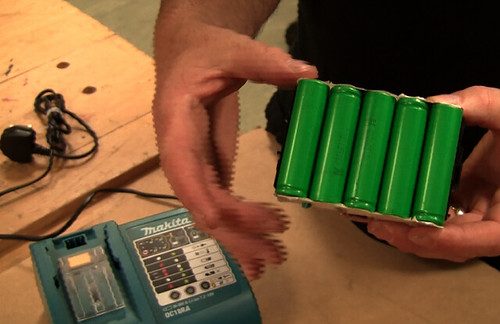
John Goodenough, Stanley Whittingham, and Akira Yoshino developed the foundational chemistry for lithium-ion batteries across the 1970s and 1980s. The concept moved between American universities and Japanese corporations for over a decade before Sony commercialized the first lithium-ion cell in 1991, powering a handheld camcorder.
Sony gained an early market advantage. The battery enabled a generation of portable electronics that could not have existed with nickel-cadmium chemistry.
Lithium-ion became the dominant energy storage technology, enabling smartphones, laptops, and eventually electric vehicles. The three researchers won the 2019 Nobel Prize in Chemistry. The roughly 20-year gap from discovery to commercialization became the reference timeline for battery breakthroughs.
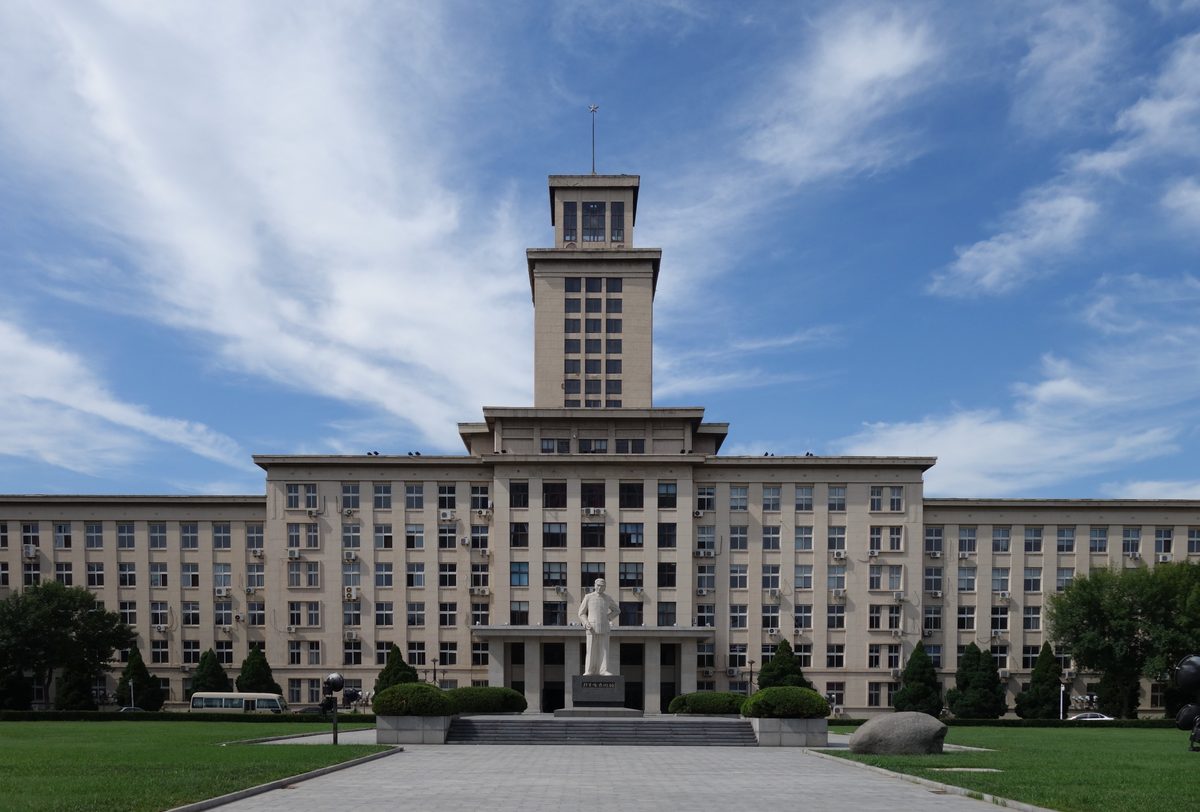
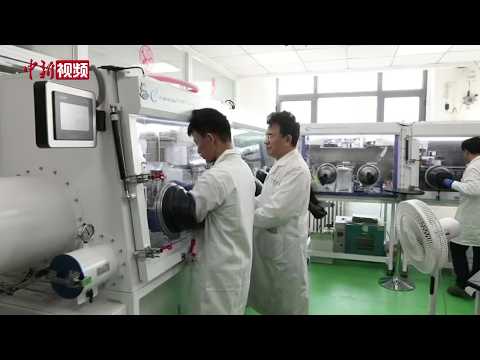
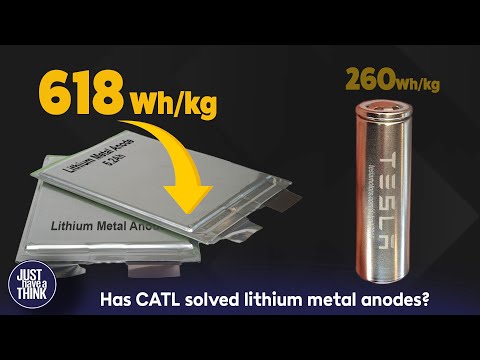
The lithium-ion story illustrates both the transformative potential and the long timelines of battery breakthroughs. The Nankai team's use of practical pouch cells rather than coin cells suggests they are actively trying to shorten this gap, but the fundamental challenge of moving from lab chemistry to mass manufacturing remains.