


Pull to refresh
Logo
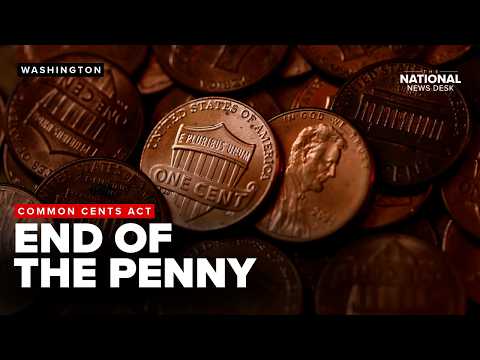
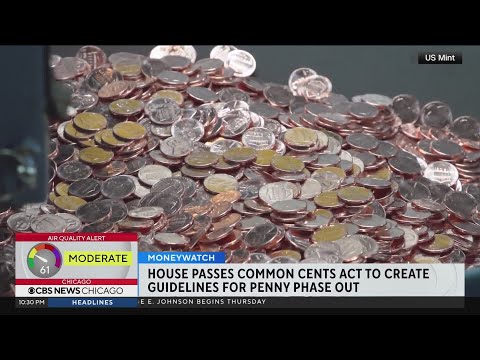
Congress votes to end penny production, sending bill to Trump

Congress votes to end penny production, sending bill to Trump

Rule Changes

The Common Cents Act formalizes the one-cent coin's end after 234 years and lets cash transactions round to the nearest nickel

Today: Senate passes Common Cents Act, sends bill to Trump

Overview

Updated 2 hours ago

The U.S. Mint stopped stamping pennies in November 2025. On September 29, 2026, the Senate made that shutdown permanent, passing the Common Cents Act by voice vote and sending it to President Trump.

The bill ends the one-cent coin's 234-year run as a circulating currency and lets businesses round cash transactions to the nearest nickel. Trump is expected to sign. He ordered the halt himself in early 2025, writing that the U.S. has produced the penny for "far too long."

Why it matters

The bill lets U.S. retailers round cash payments to the nearest nickel and could force a cheaper redesign of the nickel, the next-most-expensive coin to produce.

Questions about this story

Free account needed to ask — your question is kept and asked for you right after sign-up. Answers are public.

No questions yet — be the first to ask.

Key Indicators

$56M
Annual savings from ending penny production
Projected by the U.S. Mint once the one-cent coin is no longer struck for circulation.
3.7¢
Cost to produce one penny in 2024
The 19th straight year production cost exceeded face value; the Mint spent roughly $117 million total that year.
300 billion
Pennies estimated in circulation
About $8 worth per U.S. citizen, but coins have been slow to reach cash registers since late 2025.
13¢
Cost to produce one nickel in fiscal year 2025
Down from 13.78 cents the prior year; the bill lets the Treasury test cheaper nickel alloys.
234
Years of penny production since 1792
The penny was among the first coins struck after the U.S. Mint was established.

Voices

Curated perspectives — historical figures and your fellow readers.

Ever wondered what historical figures would say about today's headlines?

Sign up to generate historical perspectives on this story.

People Involved

Organizations Involved

Timeline

1792 September 2026

5 events Latest: Today
Tap a bar to jump to that date
  1. Senate passes Common Cents Act, sends bill to Trump

    Today Legislation

    The Senate passed the bill by voice vote after the House approved it with bipartisan support earlier in September. It awaits Trump's signature.

  2. Mint strikes final five pennies in Philadelphia

    Milestone

    The U.S. Mint made the last five one-cent coins for circulation, formally ending production.

  3. Retailers report penny shortages

    Market

    Starting in summer 2025, stores reported pennies weren't reaching register tills; some rounded prices, others offered promotions for coin donations.

  4. Trump announces halt to penny production

    Directive

    In early 2025, Trump said he was directing the Treasury to stop minting pennies, calling the coin wasteful.

  5. U.S. Mint established; penny among first coins

    Historical

    The Mint Act created the federal coinage system, and the penny was among the first coins struck.

Scenarios

1

Trump signs Common Cents Act into law

Likely Resolves by Dec 1, 2026

Discussed by: The Associated Press; WMAL-FM; The Hill

Trump has backed the penny's end since early 2025, so signature is the expected next step. The bill formally bars penny production for circulation while keeping existing pennies legal tender and allowing collectible strikes. Signing could happen within weeks of receipt.

2

Treasury proposes cheaper nickel composition

Possible Resolves by End of 2027

Discussed by: The Hill; U.S. Mint

If signed, the bill lets the Treasury Secretary test nickel alloys and propose a new makeup that cuts cost without disrupting coin-accepting machines. A zinc-core nickel with a nickel outer layer is a leading candidate since zinc trades well below copper. A formal proposal would likely come after testing concludes.

3

Penny elimination stalls on veto or inaction

Unlikely Resolves by End of 2026

Discussed by: Congress.gov (CRS)

Trump is widely expected to sign, but a veto or failure to act within the session would leave penny production suspended by executive policy rather than statute. A future administration could then restart production. This is the least likely path given Trump initiated the halt.

Historical Context

3 moments from history that rhyme with this story — and how they unfolded.

1857

Half cent eliminated (1857)

Congress directed the end of the half-cent coin under 11 Stat. 163, the first statutory removal of a U.S. coin from circulation.

Then

Production ceased and the coin was phased out of daily use.

Now

Established the precedent that Congress can end a coin by statute, which the Common Cents Act now repeats.

Why this matters now

The penny's elimination follows the same statutory path used to retire the half cent.

1930

$2.50 gold coin discontinued (1930)

Congress repealed the Mint's authority to produce $2.50 gold pieces under 46 Stat. 154, removing the denomination from authorized coins.

Then

No new quarter-eagle coins were struck for circulation.

Now

A rare case where Congress removed a coin from the authorized list entirely, versus simply halting production.

Why this matters now

Shows Congress can eliminate a denomination outright, but the penny bill instead keeps the coin legal tender while ending its production.

2011

$1 coin production suspended (2011)

The Treasury Secretary ordered the Mint to suspend production of circulating $1 coins because inventories had piled up, while the coin remained authorized and legally minted.

Then

The Mint kept producing dollar coins as numismatic items for collectors.

Now

Set the precedent of ending a coin's circulation while preserving it as a collectible — the exact model the Common Cents Act applies to the penny.

Why this matters now

The penny bill mirrors this approach: no new circulating pennies, but collectible strikes continue.

Sources

(6)