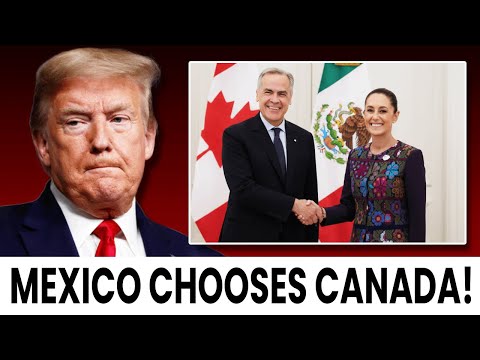
Canada's counter-tariffs took effect at 12:01 a.m. on September 8, hitting nearly C$28 billion (about $20 billion) of American goods with duties from 15% to 50%. Milk, perfume, golf clubs, steel, aluminum, and T-shirts face 50% tariffs; cheese, carpets, and household appliances face 25%; forklifts face 15%.
The move matches the 50% tariffs the U.S. placed on Canadian goods on August 22 after trade talks collapsed. Trump responded by threatening to ban Bombardier jets from the U.S. market; Bombardier says it supports tens of thousands of American jobs. Eight of Canada's 10 provinces restrict or ban U.S. alcohol sales, and American spirits exports to Canada have fallen more than 70% year over year.
Why it matters
Tariffs on cars, cheese, lumber, and hockey sticks will raise prices on both sides of the world's largest trade border.
Questions about this story
Free account needed to ask — your question is kept and asked for you right after sign-up. Answers are public.
No questions yet — be the first to ask.
Key Indicators
16.9%
U.S. Effective Tariff Rate
Highest since 1932, up from 2.4% in early January 2025
50%
U.S. Tariff on $20B Canadian Goods
Effective Aug 22, 2026, covering autos, dairy, alcohol, lumber, and more
$7.5B
Annual U.S. Steel Imports from Canada
Canada is America's largest foreign steel supplier at 23% of imports
50%
Current U.S. Steel Tariff
Doubled from 25% in June 2025 under Section 232
$20B
Canadian Counter-Tariffs on U.S. Goods
15-50% duties on C$28B of U.S. imports took effect Sept 8, matching U.S. tariffs dollar-for-dollar
$29.8B
Canadian Retaliatory Tariffs (2025)
March 2025 round: 25% duties on U.S. steel, aluminum and other goods
70%
Drop in U.S. Spirits Exports to Canada
Year-over-year decline since Canadian provinces restricted American alcohol sales
Images from Openverse under Creative Commons licenses.
Videos from YouTube.
Voices
Curated perspectives — historical figures and your fellow readers.
J. P. Morgan
(1837-1913) ·Gilded Age · finance
Fictional AI pastiche — not real quote.
"Tariffs are a tax on your own people dressed up as patriotism. These men are strangling the very commerce that made their fortunes possible—steel, rails, and transport built this continent as one market, not twenty fractured fiefdoms nursing wounded pride."
0% found this insightful
Andrew Mellon
(1855-1937) ·Progressive Era · finance
Fictional AI pastiche — not real quote.
"I warned them in '32 that Smoot-Hawley would strangle commerce, yet here we are repeating the same folly with different flags. The mathematics of reciprocal destruction remain unchanged: when neighbors tax each other into poverty, neither collects revenue worth having."
0% found this insightful
Ever wondered what historical figures would say about today's headlines?
Sign up to generate historical perspectives on this story.
23 events
Latest: September 8th, 2026 · 1 month ago
Showing 8 of 23
JK to step
Tap a bar to jump to that date
Jump to
September 2026
Canada Drops Seafood From Retaliation List
LatestPolicy
Canada removed fresh fish and lobster from its counter-tariff list after pushback from its seafood industry. The final list covers nearly C$28 billion ($20 billion) of U.S. goods, from steel to furniture to cotton T-shirts.
Bombardier Touts U.S. Jobs in Response to Trump
Corporate
Bombardier said it supports tens of thousands of American jobs and called the U.S. aerospace industry a 'clear winner on trade and exports.' The statement came a day after Trump threatened to ban its jets from the U.S. market.
Ottawa Rejects Gulfstream Claim
Political
The Canadian government said Gulfstream aircraft 'are and can be freely sold and operated in Canada,' countering Trump's claim that Ottawa had blocked the U.S. planemaker.
U.S. Alcohol Faces Provincial Restrictions
Policy
Eight of Canada's 10 provinces restrict or prohibit U.S. alcohol sales. American spirits exports to Canada fell more than 70% year over year, according to the Distilled Spirits Council of the United States.
Trump Threatens Bombardier Ban, Renames Lake Ontario, Targets Canadian Dollar
Political
President Trump said he would block Bombardier aircraft from selling in the U.S. unless built there, renamed Lake Ontario 'Lake America,' and threatened the Canadian dollar, according to Global News. The threats came hours before Canada's counter-tariffs took effect.
August 2026
Trump Threatens 50% Tariffs on All Canadian Autos
Tariff
President Trump said he would raise tariffs on all Canadian cars, trucks, and auto parts to 50% starting January 1, 2027, escalating the trade fight after talks collapsed.
January 2026
Steel Remission Expires for Most Sectors
Policy
Canada's temporary relief on retaliatory tariffs for U.S. steel used in manufacturing, food packaging, and agriculture expires. Auto and aerospace exemptions continue until June 30.
December 2025
Canada Imposes Global Steel Tariffs
Tariff
25% tariffs on steel derivative products from all countries take effect, covering $10 billion in imports.
Remission Deadlines Extended
Policy
Canada extends steel tariff remission to January 31 for general manufacturing; June 30 for automotive and aerospace sectors.
November 2025
Canada Announces Steel Industry Protection
Policy
Carney government unveils measures to protect domestic steel: new 25% tariffs on steel derivatives globally, reduced quotas for imports.
October 2025
Trump Cancels Trade Talks
Political
Trump announces cancellation of all trade negotiations with Canada after Ontario publishes advertisement criticizing tariff policy.
September 2025
Canada Removes Most Retaliation
Policy
Canada eliminates retaliatory tariffs on most U.S. goods, keeping only steel, aluminum, and auto tariffs in place.
August 2025
Tariffs Rise After Deadline Passes
Tariff
Trade deal deadline expires without agreement. U.S. raises Canadian tariffs from 25% to 35%; adds 50% copper tariff.
June 2025
Steel Tariffs Double to 50%
Tariff
U.S. increases steel and aluminum tariffs from 25% to 50% for all countries except the UK.
April 2025
Auto Tariffs Begin
Tariff
U.S. imposes 25% tariffs on automobiles. Non-USMCA-compliant vehicles and parts subject to duties.
March 2025
Carney Becomes Prime Minister
Political
Mark Carney sworn in as Canada's 24th Prime Minister, replacing Justin Trudeau. Confirms he will maintain retaliatory tariff stance.
Canada Expands Retaliation
Tariff
Canada imposes 25% retaliatory tariffs on $29.8 billion of U.S. imports: $12.6B steel, $3B aluminum, $14.2B other goods.
Steel and Aluminum Tariffs Begin
Tariff
U.S. imposes 25% tariffs on steel and aluminum from all countries under Section 232, including Canada. No USMCA exemption for these products.
USMCA Exemption Granted
Policy
U.S. exempts USMCA-compliant Canadian goods from tariffs, covering approximately 90% of Canadian exports. Canada delays Phase 2 retaliation.
Tariffs Take Effect
Tariff
U.S. tariffs on Canadian goods become effective. Canada imposes 25% retaliatory tariffs on $30 billion worth of Phase 1 U.S. goods.
February 2025
30-Day Tariff Pause
Policy
Trump pauses tariff implementation until March 4. Canada announces matching pause on $30 billion retaliatory tariffs.
U.S. Announces 25% Tariffs on Canada
Tariff
Trump announces 25% tariffs on most Canadian goods and 10% on energy, citing border security concerns under IEEPA. Implementation set for February 4.
January 2025
Trump Signs 'America First Trade Policy'
Policy
New administration releases trade policy memorandum directing studies on tariff implementation by April 1.
Scenarios
1
USMCA Renewed With Concessions
Likely
Discussed by: Center for Strategic and International Studies, Baker Institute, and trade lawyers anticipating July 2026 review
All three countries agree to renew the USMCA for another 16 years, but only after Canada and Mexico accept new terms. Possible concessions include stricter rules of origin for automobiles, concessions on dairy and lumber market access, alignment with U.S. trade restrictions on China, and formal side letters institutionalizing some tariff levels. Steel and aluminum tariffs may remain in place even as the broader agreement continues.
2
Annual Review Limbo
Possible
Discussed by: Oxford Economics analysts and Global News reporting on review process risks
The three countries fail to agree on renewal but none withdraws. Under USMCA Article 34.7, this triggers annual reviews where the agreement remains in force but its future stays uncertain. This creates persistent policy uncertainty, discouraging long-term investment in cross-border manufacturing while existing supply chains continue functioning. Tariffs on non-compliant goods remain.
3
Bilateral Deals Replace Trilateral Agreement
Unlikely
Discussed by: U.S. Trade Representative Greer has floated bilateral frameworks; AmCham Mexico considers this suboptimal but possible
The U.S. withdraws from USMCA and negotiates separate bilateral agreements with Canada and Mexico. This would eliminate the integrated North American supply chain framework and create different rules for each border. Critics warn this would be 'highly complex' and economically damaging, but it would give the U.S. more leverage in separate negotiations.
4
Canada Diversifies, Accepts Permanent Tariffs
Possible
Discussed by: Prime Minister Carney's Davos remarks; trade diversification strategy announcements
Unable to secure tariff-free access to the U.S. market, Canada accelerates trade deals with the European Union, Asia-Pacific nations, and others. Carney has already announced plans for 12 new trade agreements. The U.S.-Canada relationship stabilizes at a higher-tariff equilibrium, with Canadian manufacturers shifting focus away from American customers. The USMCA continues but with diminished practical importance.
5
Auto Tariffs Jump to 50% in January
Possible
Resolves by Jan 1, 2027
Discussed by: Trump's repeated threats; WTOP and BBC coverage of the January 1, 2027 deadline
Trump has promised to raise tariffs on Canadian vehicles, auto parts and steel from 25% to 50% starting January 1, 2027, unless Canada 'falls in line.' Auto industry analysts warn the increase would hit deeply integrated North American supply chains, where parts cross the border multiple times during assembly.
6
Bombardier Banned From U.S. Market
Unlikely
Resolves by End of 2026
Discussed by: President Trump's Sept. 7 threat; Forbes and Globe and Mail coverage
Trump said he would block Bombardier jets unless they are built in the U.S. A ban would hurt Bombardier, since more than half of its 2025 revenue came from the U.S. The company employs 3,500 people in the U.S., which could make a ban politically awkward.
Historical Context
3 moments from history that rhyme with this story — and how they unfolded.
1 of 3
June 1930
Smoot-Hawley Tariff Act (1930)
Despite warnings from over 1,000 economists and opposition from executives like Henry Ford and J.P. Morgan's Thomas Lamont, President Hoover signed the Smoot-Hawley Tariff, raising average tariffs on dutiable imports from 40% to 47%. As the Depression caused deflation, the effective rate reached nearly 60% by 1932. Canada responded by imposing tariffs covering 30% of U.S. exports within months.
Then
Over two dozen countries enacted retaliatory tariffs. U.S. imports fell 66% from $4.4 billion to $1.5 billion between 1929 and 1933.
Now
Smoot-Hawley became synonymous with protectionist overreach, leading to the 1934 Reciprocal Trade Agreements Act and decades of bipartisan consensus against high tariffs. Senators Smoot and Hawley both lost their seats in 1932.
Why this matters now
Today's 16.9% effective U.S. tariff rate is the highest since 1932, the peak of Smoot-Hawley's impact. Canada was the first country to retaliate against Smoot-Hawley, just as it has responded dollar-for-dollar to current U.S. tariffs.
2 of 3
July–August 1932
Ottawa Conference and Imperial Preference (1932)
In response to U.S. protectionism and the Depression, Britain and its dominions including Canada met in Ottawa to create a system of preferential tariffs within the British Empire. Britain abandoned its longstanding free trade policy, and Canada strengthened ties with British markets while reducing dependence on American trade.
Then
Britain's imports from the Empire increased from under 30% to over 40%. Trade patterns shifted dramatically away from the United States.
Now
Imperial Preference lasted until the 1970s and demonstrated how protectionism can accelerate the formation of competing trade blocs rather than simply reducing overall trade.
Why this matters now
Carney's announcement of 12 new trade deals at Davos echoes Canada's 1932 pivot toward alternative trading partners. Then as now, U.S. tariffs prompted Canada to seek closer ties elsewhere.
3 of 3
March 2018
2018 Section 232 Steel Tariffs
In his first term, Trump imposed 25% tariffs on steel and 10% on aluminum under Section 232, citing national security. After initial protests, Canada and Mexico were granted exemptions as part of USMCA negotiations. The EU, Japan, and other allies negotiated quota arrangements.
Then
The U.S. steel industry added nearly 5,000 jobs, but downstream manufacturers faced higher input costs. Analysts calculated $270,000 in added industry profits per steel job saved.
Now
The tariffs remained in place through the Biden administration. They established the precedent for using Section 232 authority broadly, paving the way for the current expansion.
Why this matters now
The 2025 tariff escalation explicitly revokes the exemptions negotiated in 2018. Canada went from exempted ally to facing 50% steel tariffs in seven years, demonstrating how bilateral trade arrangements can unravel.