

Pull to refresh
Logo
Britain's smart meter network moves to non-profit control

Britain's smart meter network moves to non-profit control

Built World

A 13-year Capita-era licence ends as DCC 2 Ltd, owned by the Smart Energy Code Company, takes over the data network behind 39 million meters

Overview

Updated 57 minutes ago

On 2 November, the company running the data network behind Great Britain's 39 million smart meters changed. Smart DCC, a subsidiary of the outsourcing firm Capita, handed its licence to DCC 2 Ltd, a not-for-profit owned by the Smart Energy Code Company (SECCo).

The meters do not change. What changes is who answers for the network's costs and under what rules. A 13-year commercial licence, granted in 2013, gives way to a not-for-profit model with an ex-ante price control, meaning Ofgem sets allowed revenue in advance rather than reviewing costs after the fact.

Why it matters

Every smart meter reading, prepayment top-up and supplier switch in Great Britain now runs through a company with no shareholders to pay.

Questions about this story

Free account needed to ask — your question is kept and asked for you right after sign-up. Answers are public.

No questions yet — be the first to ask.

Key Indicators

39 million
Smart meters connected to the network
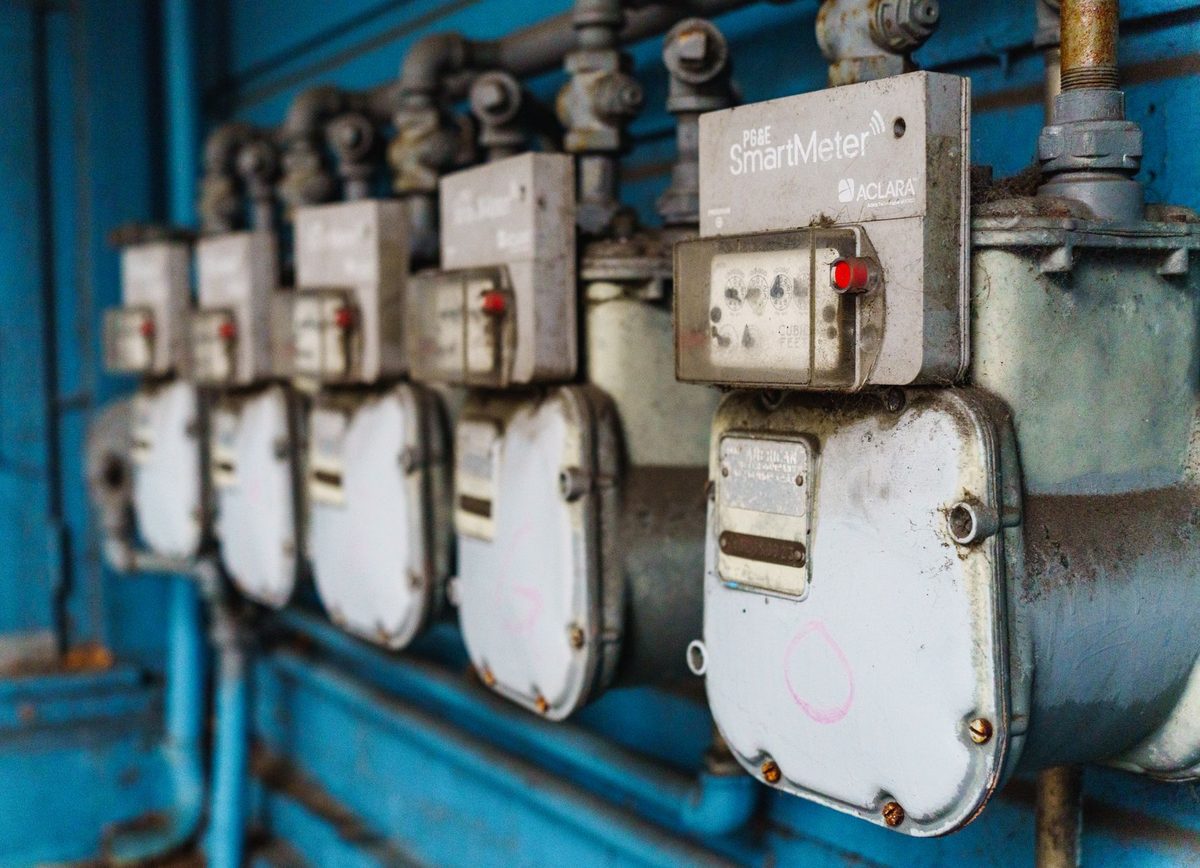
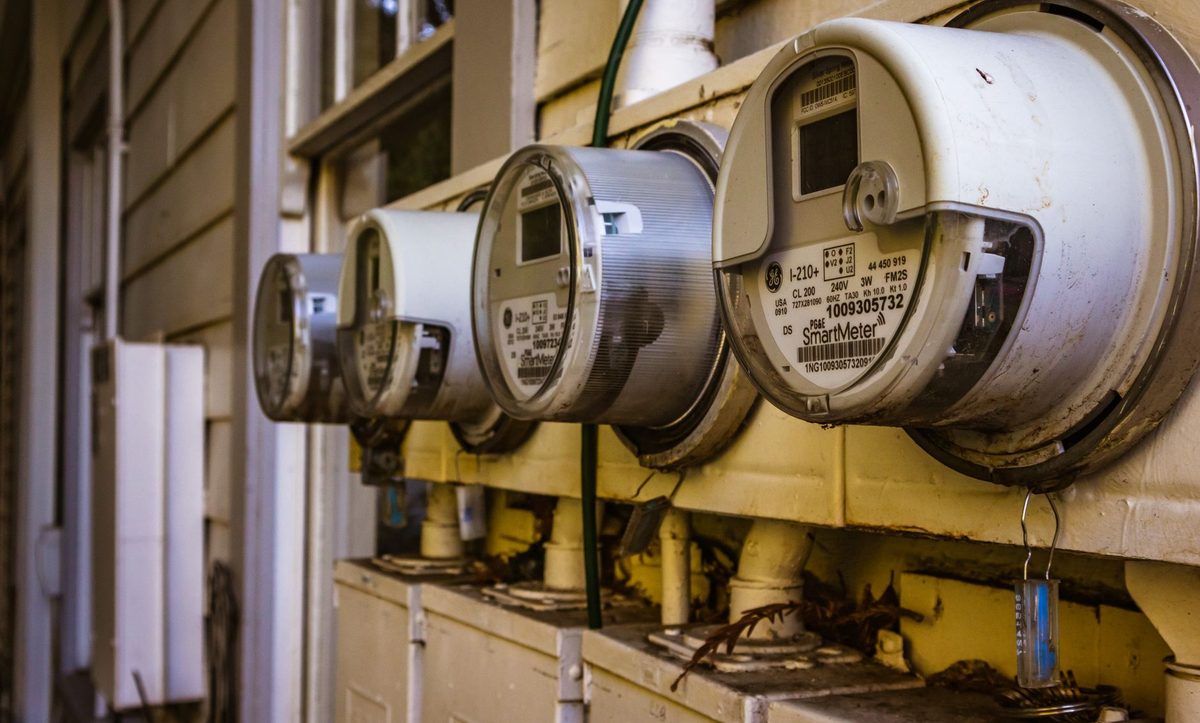
The national communications network links more than 39 million smart meters across Great Britain.
54 million
Energy supplier switches handled since 2022
DCC also runs the Central Switching Service, launched in 2022.
13 years
Length of the original DCC licence
The first Smart Meter Communication Licence was granted in 2013 to a Capita subsidiary.
6 years
Initial fixed term of the new licence
Ofgem may extend the successor licence beyond its first six years if conditions are met.

Voices

Curated perspectives — historical figures and your fellow readers.

Sign up to generate historical perspectives on this story.

Organizations Involved

Timeline

2013 November 2026

6 events Latest: Yesterday
Tap a bar to jump to that date
  1. DCC 2 Ltd takes over the network

    Latest Transition

    The new licence takes effect. DCC 2 Ltd, a not-for-profit under an ex-ante price control, runs the network connecting 39 million meters.

  2. Residual DCC1 stops operational work

    Transition

    The Capita-owned entity ends operational smart metering services and keeps only regulatory and financial close-out duties.

  3. Successor licence awarded to DCC 2 Ltd

    Licensing

    Ofgem awards the new licence to DCC 2 Ltd, a wholly owned subsidiary of the Smart Energy Code Company, after a competitive tender.

  4. Ofgem consults on a replacement licence

    Regulation

    The regulator publishes a consultation on the draft successor licence, including a not-for-profit model and ex-ante price control.

  5. Central Switching Service goes live

    Operations

    DCC begins running the service that handles energy supplier switches; it has since processed more than 54 million.

  6. Capita subsidiary wins the first smart meter licence

    Licensing

    Smart DCC, owned by Capita, is granted a 13-year licence to build and run Britain's first national smart meter data network.

Scenarios

1

Price control holds and network costs fall

Possible Resolves by Nov 2, 2028

Discussed by: Ofgem, which designed the ex-ante price control, and DCC's own business plan for 2026-2028

The new framework sets allowed revenue in advance rather than reviewing costs after the fact. If DCC 2 Ltd stays inside those limits, the savings are meant to reach consumer bills through supplier charges. The test is whether the company's published charges and Ofgem's price control decisions show costs flat or falling over the first two years.

2

Cost overruns return and Ofgem opens enforcement

Unlikely Resolves by Nov 2, 2027

Discussed by: Industry observers cited by the Guardian, who noted the previous licence's history of spiralling costs and delays

The old licence was dogged by cost growth and delays, and the new one keeps the same physical network and many of the same staff. If costs rise beyond the price control or service levels slip, Ofgem can open a formal enforcement case. That would test whether the not-for-profit structure actually changes behaviour.

3

Capita exits its remaining DCC obligations early

Uncertain Resolves by Sep 22, 2027

Discussed by: No public prediction; this follows from Capita's retained Residual DCC1 entity

Capita still owns Residual DCC1, which holds the old licence until 22 September 2027 and must complete price control, financial and reporting duties. Capita could sell or wind down that entity before the licence expires, or simply run it to the end. Either way, the old licence's expiry is the point at which Capita's formal role ends.

Historical Context

2 moments from history that rhyme with this story — and how they unfolded.

2013

The first DCC licence (2013)

Ofgem granted a 13-year Smart Meter Communication Licence to Smart DCC, a subsidiary of Capita, to build the data network for Britain's mandated smart meter rollout. The framework was commercial: a private company built and ran the network under regulatory oversight.

Then

The network was built and eventually connected tens of millions of meters, but the programme drew repeated criticism over cost and delay.

Now

Whitehall officials decided to replace the 2013 commercial framework rather than renew it, and the Guardian reported that Capita's subsidiary was effectively blocked from tendering for the new licence.

Why this matters now

The model being replaced is the direct predecessor of the one taking effect now. The new licence exists because the old one was judged not to have delivered value.

October 2001 - October 2002

Railtrack to Network Rail (2001-2002)

Railtrack, the private company that owned Britain's rail infrastructure after privatisation in the 1990s, went into administration in October 2001 after costs and safety obligations outran its finances. A year later, Network Rail, a company limited by guarantee with no shareholders, took over the network.

Then

Shareholders were left with almost nothing and the state-backed replacement took on the infrastructure and its debts.

Now

Network Rail became the permanent owner of Britain's rail infrastructure, funded by government grants and regulated charges rather than shareholder equity.

Why this matters now

It is the closest British precedent for moving a critical network from a shareholder-owned operator to a not-for-profit under a regulator's price control, which is the structure DCC now adopts.

Sources

(6)