
Pull to refresh
Logo
Ofgem approves £642.1m Bramford to Twinstead grid upgrade

Ofgem approves £642.1m Bramford to Twinstead grid upgrade

Built World

Regulator trims £60.6m from National Grid's request for East Anglia transmission project

Today: Ofgem approves £642.1m funding

Overview

Updated 2 hours ago

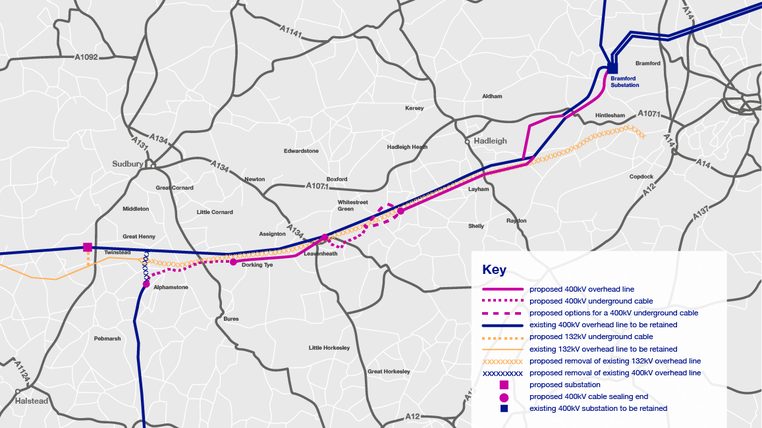
Ofgem approved £642.1 million for a major electricity grid upgrade between Suffolk and Essex, cutting £60.6 million from National Grid's £702.7 million request. The Bramford to Twinstead project adds 18 km of overhead line and 11 km of underground cable to the 400 kV transmission network in East Anglia.

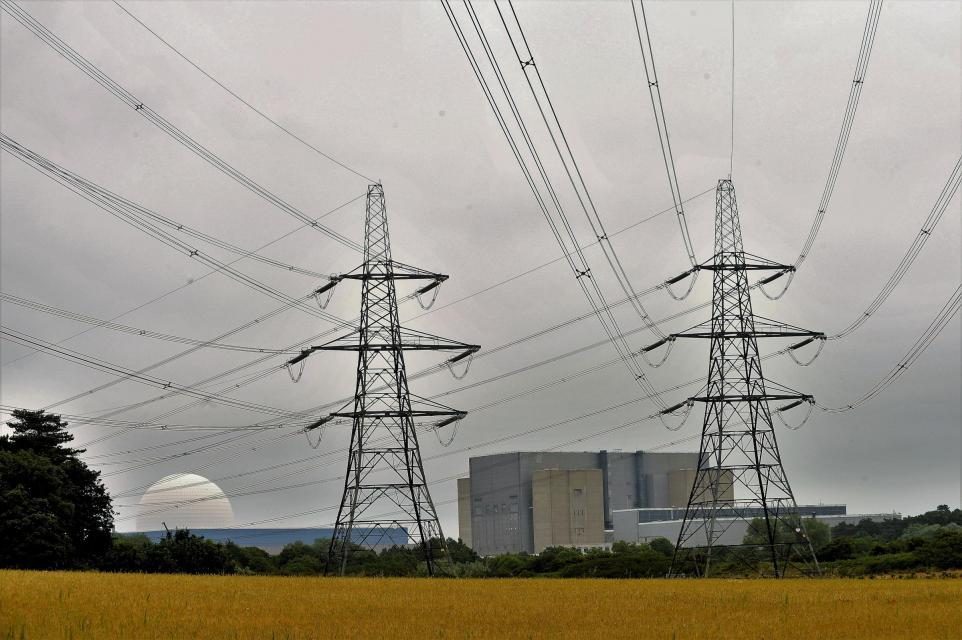
The project is part of the Great Grid Upgrade, a program to modernize Britain's electricity network for offshore wind and other clean power. Without the reinforcement, the network between Bramford and Twinstead would act as a bottleneck, restricting how much renewable energy can move across the country.

Why it matters

The upgrade adds £60 to household bills by 2031 but saves £80 by enabling cheaper offshore wind to reach consumers.

Questions about this story

Free account needed to ask — your question is kept and asked for you right after sign-up. Answers are public.

No questions yet — be the first to ask.

Key Indicators

£642.1m
Approved funding
Ofgem approved this amount for the Bramford to Twinstead project, down from the £702.7m requested.
£60.6m
Cut from request
Ofgem trimmed this amount from National Grid's submitted costs.
18 km
New overhead line
New 400 kV overhead line between Bramford and Twinstead.
11 km
Underground cable
New 400 kV underground cable sections.

Voices

Curated perspectives — historical figures and your fellow readers.

Ever wondered what historical figures would say about today's headlines?

Sign up to generate historical perspectives on this story.

Organizations Involved

Timeline

December 2022 October 2026

5 events Latest: Today
Tap a bar to jump to that date
  1. Ofgem approves £642.1m funding

    Today Regulatory

    Ofgem approved £642.1 million for the project, cutting £60.6 million from National Grid's £702.7 million request.

  2. Wider construction work scheduled to begin

    Construction

    Further construction on overhead lines and underground cables was due to start in early 2026.

  3. Government approves development consent

    Approval

    The Energy Secretary approved National Grid's application for the reinforcement.

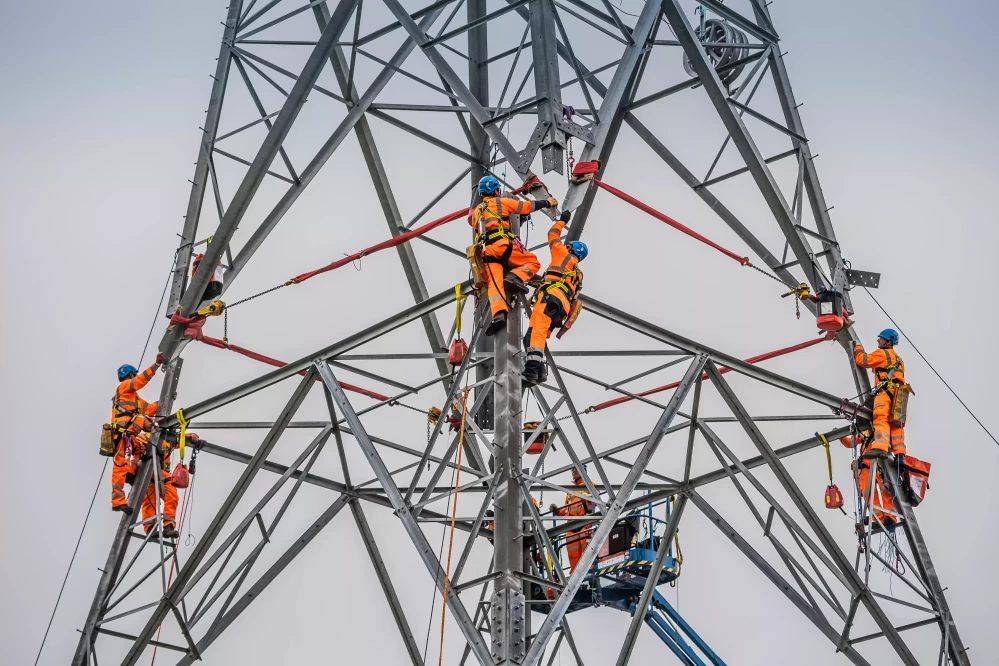
  4. Construction starts on Twinstead Green substation

    Construction

    Work began on the new substation at Twinstead Green, the first major construction milestone.

  5. Ofgem includes Bramford to Twinstead in ASTI framework

    Regulatory

    Ofgem published its ASTI framework decision, including the project for fast-tracked assessment.

Scenarios

1

Bramford to Twinstead completes on schedule, boosting offshore wind capacity

Likely Resolves by End of 2030

Discussed by: Ofgem and National Grid, which have both emphasized the project's role in connecting offshore wind by 2030

The project proceeds through construction without major delays, completing by 2030. This would allow the network to handle the additional offshore wind capacity the government targets, reducing bottlenecks and enabling more renewable energy to reach consumers.

2

Cost overruns trigger COAE adjustment for the project

Possible Resolves by End of 2028

Discussed by: Ofgem, which set the 5% COAE materiality threshold in its project assessment

Construction costs exceed the approved £642.1m by more than 5% (£32.1m), triggering the Cost and Output Adjusting Event mechanism. Ofgem would review and potentially adjust the funding allowance, adding to consumer bills.

3

Project delayed, missing the 2030 offshore wind target

Unlikely Resolves by End of 2029

Discussed by: Not currently predicted by named analysts; would require construction setbacks such as supply chain issues or planning challenges

Construction delays push the project's completion past 2030, potentially affecting the government's target of connecting 50GW of offshore wind. This could leave the network as a bottleneck for longer, restricting renewable energy flows.

Historical Context

One moment from history that rhymes with this story — and how it unfolded.

1960s

East Anglia 400kV network construction (1960s)

The 400 kV transmission network in East Anglia was built in the 1960s to supply regional demand centered around Norwich and Ipswich. The network was designed for the electricity needs of that era, not for transporting large amounts of offshore wind.

Then

The network served regional demand for decades.

Now

The network now acts as a bottleneck for renewable energy, as it can't handle the volume of offshore wind and other clean power being generated in the region.

Why this matters now

The Bramford to Twinstead project is a direct response to the 1960s network's limitations, reinforcing the corridor to handle modern energy flows.

Sources

(10)