

Pull to refresh
Logo
UK government creates Great British Grid to speed up transmission build-out

UK government creates Great British Grid to speed up transmission build-out

Rule Changes

New state-owned body will compete with National Grid, SSE, and Scottish Power for transmission projects

Today: Government announces Great British Grid

Overview

Updated 2 hours ago

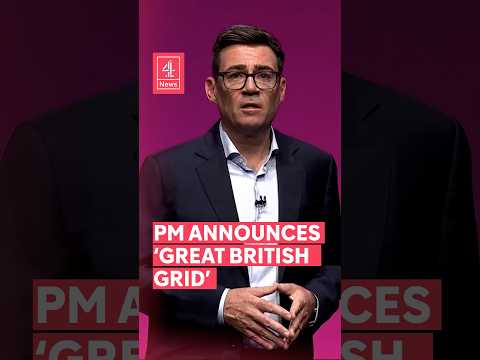
Britain's electricity grid must roughly double in capacity this decade to connect offshore wind, data centers, and heat pumps. On September 30, Prime Minister Andy Burnham announced Great British Grid (GBG), a publicly owned company inside Great British Energy that will compete to build and own new transmission lines.

GBG will bid against National Grid, SSE, and Scottish Power for projects through an expanded competitive tendering system. The government also plans to let developers build their own grid connections, a reform that cut connection times by up to 11 months in Ireland.

Grid costs currently add about £210 to the average household energy bill. Some analysts project that figure reaching £341 by 2030 as the network expands.

Why it matters

Grid costs now add about £210 to the average UK energy bill, and analysts project £341 by 2030. GBG aims to cut that.

Questions about this story

Free account needed to ask — your question is kept and asked for you right after sign-up. Answers are public.

No questions yet — be the first to ask.

Key Indicators

£210
Current average grid cost on household bills
Grid costs add about £210 to the average annual dual-fuel bill, roughly a quarter of the total.
£341
Projected grid cost per household by 2030
Some analysts expect grid costs to rise to £341 per household per year by 2030.
300 GW
Speculative capacity removed from connections queue
The government and NESO already removed more than 300 gigawatts of speculative projects from the grid queue.
11 months
Connection time reduction from Irish self-build reforms
Similar reforms in Ireland cut grid connection times by up to 11 months.

Voices

Curated perspectives — historical figures and your fellow readers.

Ever wondered what historical figures would say about today's headlines?

Sign up to generate historical perspectives on this story.

People Involved

Organizations Involved

Timeline

1 event Latest: Today
  1. Government announces Great British Grid

    Today Policy Announcement

    Prime Minister Andy Burnham unveils state-owned GBG to compete for transmission projects and expands self-build connection rules.

Scenarios

1

GBG wins first transmission tender

Likely Resolves by End of 2027

Discussed by: Government announcement; industry analysts quoted in New Civil Engineer

GBG or a consortium it leads beats National Grid, SSE, or Scottish Power for a competitively tendered transmission project under the CATO regime. The government's accelerated tendering is designed to make this possible, and the body's stated purpose is to increase competition and accelerate delivery.

2

GBG stays marginal, incumbents keep the build-out

Possible Resolves by End of 2027

Discussed by: Nils Pratley, The Guardian

GBG arrives with limited staff and funding, and existing network operators remain the dominant builders of new transmission. The Guardian's Nils Pratley noted the plan is 'interesting' but not a takeover of existing assets, and GBG will not arrive with the scale to displace incumbents quickly.

3

Self-build connection rules take effect

Likely Resolves by Q2 2028

Discussed by: GOV.UK announcement

The government brings forward regulations expanding self-build connections, letting developers construct their own grid links rather than waiting for network companies. The reform mirrors Ireland's, which cut connection times by up to 11 months, and targets one of the biggest barriers to new projects.

Historical Context

2 moments from history that rhyme with this story — and how they unfolded.

Recent years

Ireland's self-build connection reforms

Ireland adopted rules allowing developers to build their own grid connections instead of waiting for the network operator to do the work. The UK government says the reform cut connection times by up to 11 months.

Then

Connection wait times fell sharply for new projects.

Now

The model became the reference point the UK now cites for its own self-build expansion.

Why this matters now

The UK's planned self-build expansion directly copies Ireland's approach, making Irish results the benchmark for what UK developers can expect.

Ongoing

UK offshore transmission competitive tendering

The UK already uses a competitive regime for offshore transmission, where private developers bid to design, build, finance, own, and operate the cables connecting wind farms to shore. The model has helped drive investment in offshore wind infrastructure.

Then

Offshore transmission became a competitive market rather than a monopoly function.

Now

The regime proved competitive tendering can work for transmission assets, setting the precedent for onshore projects.

Why this matters now

GBG extends the same competitive logic onshore, with the offshore regime as the working template the government points to.

Sources

(9)