
Pull to refresh
Logo
Court stays ruling that struck down Section 122 tariffs

Court stays ruling that struck down Section 122 tariffs

Rule Changes

A trade-court order suspends the May 7 judgment while the Federal Circuit reviews the now-expired 10% surcharge.

Overview

Updated 1 hour ago

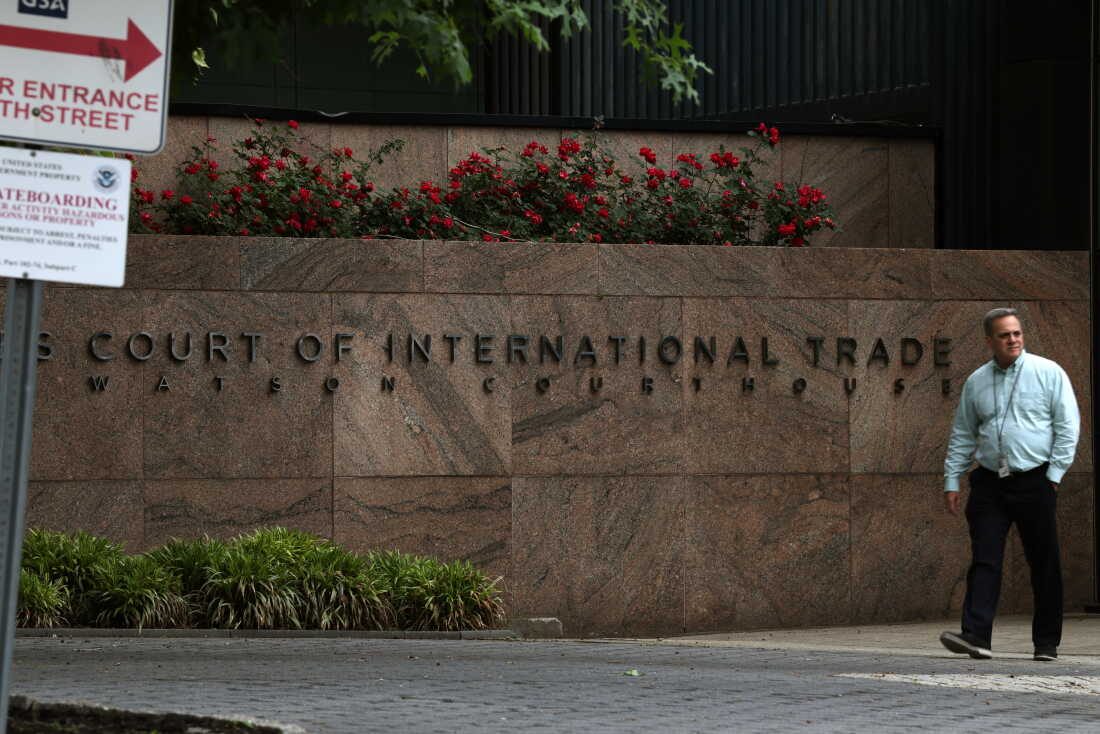
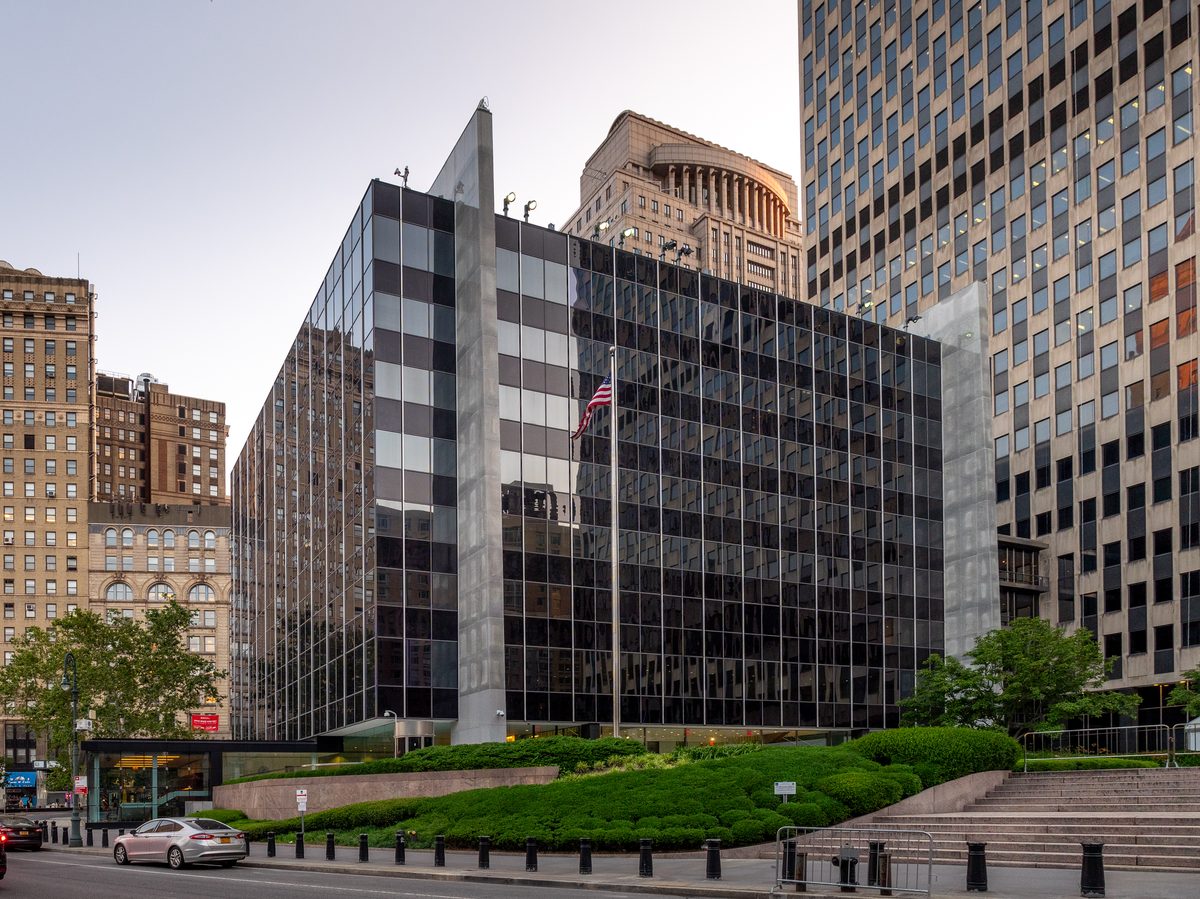
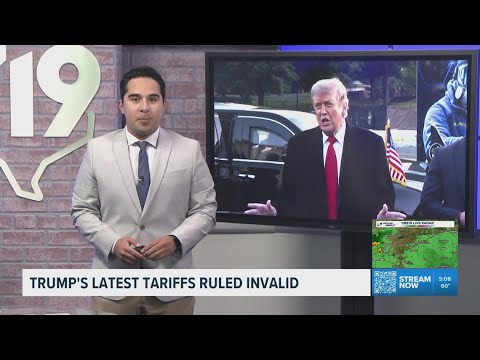
On Nov. 12, the Court of International Trade stayed its May 7 judgments that had struck down President Trump's 10% tariffs under Section 122 of the Trade Act of 1974. The order pauses the effect of the ruling, including refunds for three plaintiffs, while appeals continue.

The surcharge itself expired on July 24. The appeal still matters because it will decide whether importers get refunds and whether courts accept the trade court's narrow reading of 'balance-of-payments deficits.'

Why it matters

The appeal will decide whether refunds flow to importers and how narrowly courts read a president's emergency tariff power.

Questions about this story

Free account needed to ask — your question is kept and asked for you right after sign-up. Answers are public.

No questions yet — be the first to ask.

Key Indicators

10%
Section 122 surcharge rate
The surcharge Trump imposed on Feb. 20, 2026, and that took effect Feb. 24.
3
Plaintiffs granted relief by the trade court
Washington state, Burlap and Barrel, and Basic Fun won the May 7 injunction.
24
States that sued over the surcharge
The states filed separate challenges that were consolidated on appeal.
150
Statutory limit on Section 122 surcharges
The surcharge ran from Feb. 24 to July 24, 2026.

Voices

Curated perspectives — historical figures and your fellow readers.

Sign up to generate historical perspectives on this story.

People Involved

Organizations Involved

Timeline

February 2026 November 2026

11 events Latest: Today Showing 8 of 11
Tap a bar to jump to that date
  1. Section 122 surcharge expires

    Policy

    Section 122 surcharge expires without congressional extension.

  2. Surcharge takes effect

    Policy

    The surcharge begins; statute sets July 24 expiration unless Congress extends.

  3. Trump imposes Section 122 surcharge

    Policy

    Trump imposes a 10% surcharge after the Supreme Court rejects his emergency-powers tariffs.

Scenarios

1

Federal Circuit affirms that Section 122 tariffs were unlawful

Possible Resolves by Q2 2027

Discussed by: The plaintiffs, who won at the Court of International Trade

The Federal Circuit agrees with the trade court that 'balance-of-payments deficits' did not cover the trade deficits the administration cited. The ruling would revive the injunction and refund order, and it would limit how future presidents use Section 122.

2

Federal Circuit reverses and upholds the 10% surcharge

Possible Resolves by Q2 2027

Discussed by: The Federal Circuit's June 11 stay order, which questioned the CIT's statutory reading

The appeals court accepts the government's reading of Section 122 and reverses the trade court. The surcharge has already expired, but the ruling would wipe out the refund order and make follow-on challenges harder.

3

Federal Circuit orders broader relief for importers

Unlikely Resolves by Q2 2027

Discussed by: The plaintiff states, which separately appealed the injunction's limited scope

The appeals court agrees the trade court's injunction was too narrow and orders relief that reaches beyond the three named plaintiffs. That would expose more tariff payments to refund claims and widen the case's effect.

Historical Context

3 moments from history that rhyme with this story — and how they unfolded.

August-December 1971

Nixon's 10% import surcharge (1971)

President Richard Nixon imposed a 10% surcharge on imports to force currency realignment. It lasted about four months and ended with the Smithsonian Agreement.

Then

The surcharge was lifted after other countries agreed to revalue their currencies.

Now

It became a template for using temporary import surcharges as negotiating leverage.

Why this matters now

Trump's Section 122 surcharge is the first use of that specific statute, but Nixon's action shows how temporary import surcharges can function as bargaining chips.

February 2026

Learning Resources, Inc. v. Trump (2026)

The Supreme Court ruled that the International Emergency Economic Powers Act did not authorize Trump to impose tariffs. The same day, Trump imposed the Section 122 surcharge.

Then

The ruling struck down his reciprocal and country-specific duties.

Now

It pushed the administration to a different statute, Section 122, and set up the current case.

Why this matters now

The Section 122 tariffs exist because the Supreme Court closed the emergency-powers route.

1974

Section 122 of the Trade Act of 1974

Congress created a balance-of-payments authority allowing a president to impose a surcharge of up to 15% for 150 days. No president used it until Trump.

Then

The provision stayed dormant for five decades.

Now

Its vague wording became the center of the current dispute.

Why this matters now

The case turns on what Congress meant by 'balance-of-payments deficits' in that 1974 text.

Sources

(8)