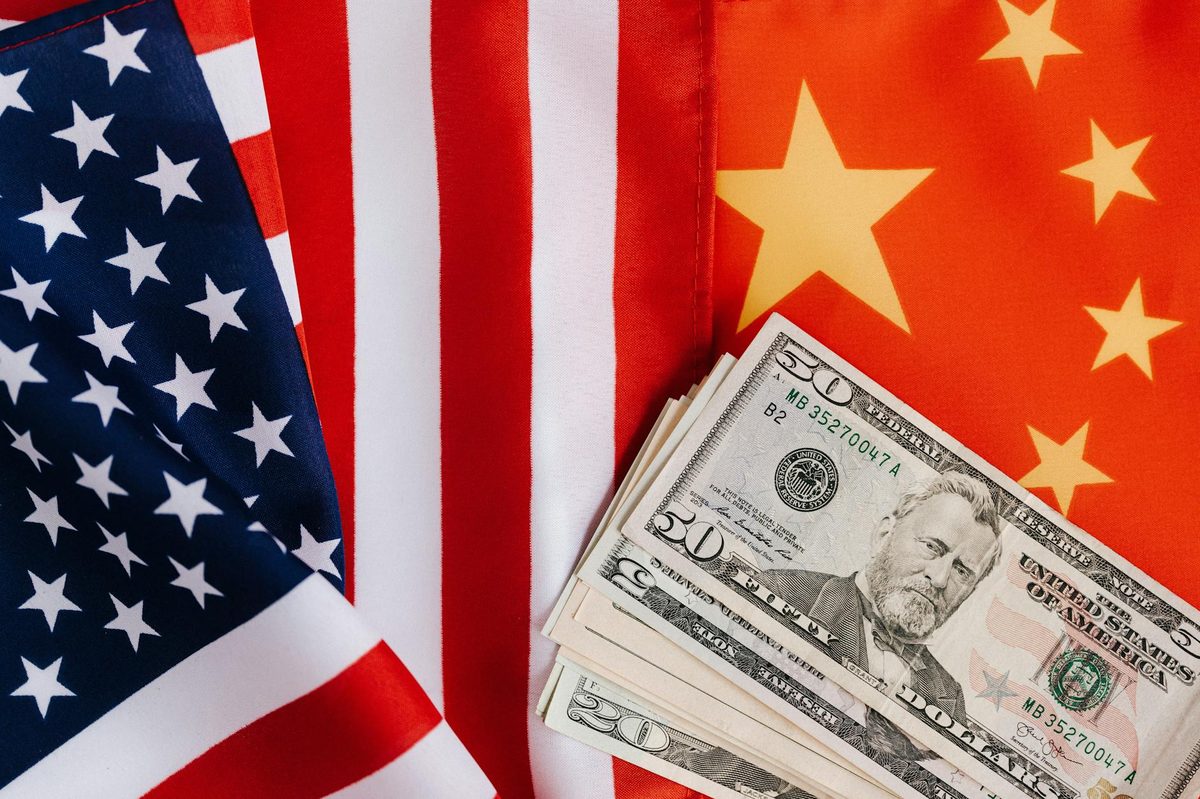
The legal foundation for Trump's tariff strategy collapsed on February 20 when the Supreme Court ruled 6-3 that IEEPA does not authorize tariffs. The decision voided both the 25% Iran secondary levy and other emergency-based duties on China. Trump signed a 10% global replacement under Section 122 of the Trade Act within hours, dropping China's effective rate from 47% to about 35%.
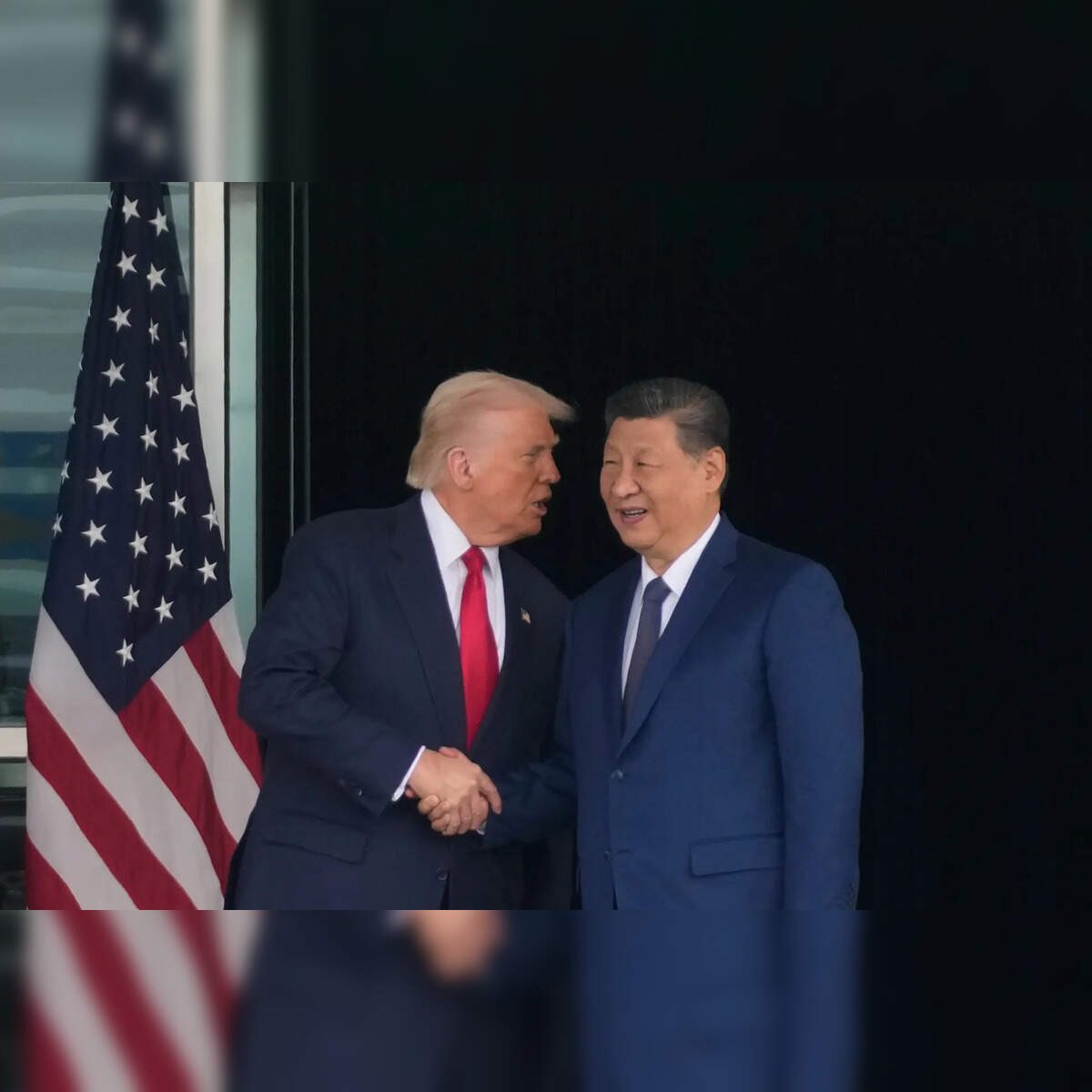
Eight days later, the U.S. and Israel launched Operation Epic Fury against Iran. Trump threatened 50% tariffs on China in April over alleged weapons sales to Tehran, and Treasury sanctioned a major Chinese refinery and 40 shipping firms tied to Iran's oil trade. The two sides enter their May 14-15 Beijing summit with Iran's aftermath, tariffs, and rare earths on the agenda.
Why it matters
Tariff rates set prices for nearly every U.S. import from China; the Iran war has turned that number into a geopolitical lever.
Questions about this story
Free account needed to ask — your question is kept and asked for you right after sign-up. Answers are public.
No questions yet — be the first to ask.
Key Indicators
~35%
Current U.S. tariff on Chinese goods
Section 301 (25%) plus Section 122 (10%), after the Supreme Court voided IEEPA-based duties on February 20
85%
Potential combined tariff if weapons threat executed
Trump's threatened 50% penalty for supplying arms to Iran, added to the existing 35% rate
90%+
China's share of Iranian oil exports
Making Beijing the main target of U.S. secondary tariffs and Treasury sanctions on Iran's oil trade
$22.4B
Chinese imports from Iran (2022)
World Bank figure; China is Iran's largest trade partner
18 events
Latest: May 14th, 2026 · 5 months ago
Showing 8 of 18
JK to step
Tap a bar to jump to that date
Jump to
May 2026
Trump-Xi Beijing Summit Scheduled
LatestScheduled
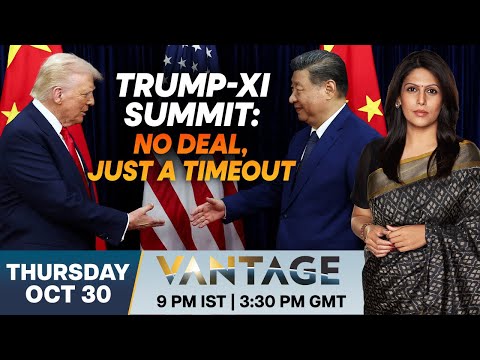
Trump is set to visit Beijing on May 14-15, his first China trip as president in nearly a decade, with trade, rare earths, Taiwan, and the Iran ceasefire on the agenda. Senior trade officials staged pre-summit talks in Seoul on May 12-13 to finalize any announcements.
April 2026
Treasury Sanctions Chinese Refinery and 40 Shipping Firms Over Iran Oil
Escalation
The U.S. Treasury sanctioned Hengli Petrochemical, one of Iran's largest crude customers, and 40 shipping firms that move Iranian oil through a shadow fleet. Treasury also warned banks of sanctions risk for financing Chinese 'teapot' refineries handling Iranian crude.
Trump Warns China of 50% Tariff Over Alleged Air Defense Shipments to Iran
Escalation
Trump specifically threatened a 50% tariff on China after reports that Beijing was preparing to deliver air defense systems to Tehran. China denied the claims. China's Foreign Ministry vowed firm countermeasures if the tariff were imposed.
Iran-U.S.-Israel Ceasefire Reached After Five Weeks of Fighting
Agreement
The U.S., Israel, and Iran agreed to a ceasefire after roughly five weeks of conflict. Secretary Rubio declared Operation Epic Fury over on May 5, but no peace deal has been signed and the Strait of Hormuz has not fully reopened.
February 2026
U.S. and Israel Launch Operation Epic Fury Against Iran
Escalation
Nearly 900 U.S. and Israeli strikes hit Iran in the first 12 hours, targeting ballistic missile and drone capabilities, the navy, and the defense industrial base. Supreme Leader Khamenei was killed. Iran closed the Strait of Hormuz in response.
Supreme Court Strikes Down IEEPA Tariffs 6-3
Legal
The Court held in Learning Resources v. Trump that IEEPA does not authorize tariffs, voiding all emergency-based duties including the January 12 Iran secondary levy. Trump signed a 10% global replacement under Section 122 the same day, effective February 24.
January 2026
China Reports Record $1.2 Trillion Trade Surplus for 2025
Context
Chinese customs data shows 2025 trade surplus reached $1.19 trillion, up 20% from 2024, despite tariffs. Exports to U.S. fell 20% while exports to Africa (+26%), Southeast Asia (+13%), and EU (+8%) surged, demonstrating Beijing's trade diversification away from American markets.
China Vows Retaliation
Response
Chinese Foreign Ministry warns it will 'firmly safeguard its legitimate rights and interests' and take 'all necessary measures.' Embassy spokesperson calls tariff 'illicit unilateral sanctions.'
Trump Imposes 25% Tariff on Iran Trading Partners
Escalation
Trump announces via Truth Social that all countries doing business with Iran face 25% U.S. tariff 'effective immediately.' China, which buys 90%+ of Iranian oil, is the primary target.
December 2025
Iran Protests Begin
Context
Protests erupt in Iran over economic conditions and currency collapse. Death toll reaches 1,850+ over following weeks as government imposes internet blackout.
November 2025
Supreme Court Hears IEEPA Arguments
Legal
Justices hear oral arguments in Learning Resources v. Trump. Chief Justice Roberts and Justice Gorsuch express skepticism about executive tariff authority.
October 2025
Trump-Xi Summit in South Korea
Agreement
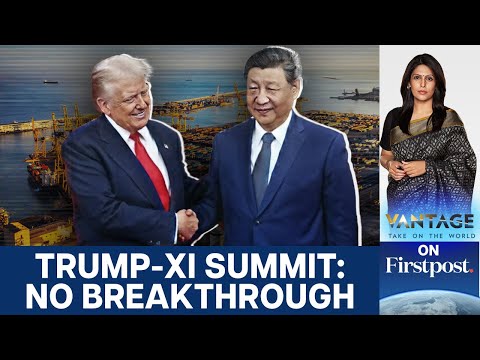
Trump and Xi meet in Busan for first in-person summit of second term. Agree to one-year truce: tariffs set at 47%, China suspends rare earth controls.
August 2025
Federal Circuit Rules IEEPA Tariffs Illegal
Legal
U.S. Court of Appeals for the Federal Circuit rules 7-4 that Trump exceeded authority under IEEPA. Administration appeals to Supreme Court.
May 2025
Geneva Truce: 90-Day Pause
Agreement
U.S. and China agree to 90-day de-escalation in Geneva. U.S. tariffs drop to 30%, China's to 10%.
April 2025
Tariffs Hit 145% Peak
Escalation
After rapid tit-for-tat increases, U.S. tariffs on Chinese goods reach 145%. China responds with 125% tariffs on U.S. goods and suspends rare earth exports.
February 2025
Trump Restarts Trade War
Escalation
10% tariffs on all Chinese imports take effect, the first major action of Trump's second term. Additional 10% imposed March 4.
January 2020
Phase One Agreement Signed
Agreement
U.S. and China sign Phase One trade deal, pausing escalation. Tariffs remain in place. China commits to $200 billion in additional purchases but fails to meet targets.
July 2018
U.S.-China Trade War Begins
Escalation
U.S. imposes 25% tariffs on $34 billion in Chinese imports under Section 301, citing intellectual property theft and forced technology transfer. China retaliates immediately with matching tariffs.
Scenarios
1
Truce Collapses: Tariffs Return to 100%+
Possible
Discussed by: Scott Kennedy at CSIS; Bloomberg and CNBC trade analysts
China retaliates to the Iran tariff with matching duties and reinstates rare earth export controls. The October truce unravels. U.S.-China tariffs return to April 2025 levels—or higher—choking bilateral trade and triggering supply chain disruptions in semiconductors, electronics, and critical minerals.
Following the pattern set by the Clinton administration's Iran-Libya Sanctions Act exemptions in the 1990s, the Trump administration offers China a negotiated carveout or delayed implementation in exchange for concessions on other trade issues or Iran pressure. The truce survives in modified form.
3
Supreme Court Strikes Down Tariff Authority
Likely
Discussed by: Georgetown law professor Greg Shaffer; Kalshi prediction markets (28% chance of administration win)
The Supreme Court rules that IEEPA does not authorize tariffs, invalidating both the Iran secondary tariff and other emergency-based duties. The administration scrambles to reimpose tariffs under alternative legal authorities while potentially facing $200+ billion in refund claims.
China condemns the tariff but limits retaliation to targeted measures—antitrust investigations, unreliable entity list additions—while preserving the broader truce framework. Beijing calculates that maintaining access to U.S. markets outweighs the cost of the Iran trade relationship.
5
Beijing Summit Produces Comprehensive Trade Deal
Possible
Discussed by: CSIS analysts; World Economic Forum; Bloomberg trade analysts
Trump and Xi use the May 14-15 summit to announce large Chinese purchases of U.S. goods—Boeing aircraft, agricultural products, and energy—alongside a formal 'Board of Trade' to manage bilateral commerce. The Section 122 tariff, which expires July 24 without congressional action, is extended or replaced with a permanent negotiated rate under the agreement.
Historical Context
3 moments from history that rhyme with this story — and how they unfolded.
1 of 3
August 1996
Iran and Libya Sanctions Act (1996)
Congress passed ILSA, mandating secondary sanctions on foreign firms investing more than $20 million in Iran's energy sector. European governments—particularly France and Germany—denounced it as extraterritorial overreach. The Clinton administration ultimately granted exemptions to European energy projects in Iran.
Then
European companies received waivers; major energy deals proceeded despite the law.
Now
Set a precedent that U.S. secondary sanctions were negotiable, weakening their deterrent effect for decades.
Why this matters now
The ILSA precedent suggests that sweeping secondary tariffs often lead to negotiated exemptions rather than full enforcement, especially when targeting major trading partners.
2 of 3
April 2025
U.S.-China Trade War Escalation (April 2025)
After Trump raised tariffs to 145% on Chinese goods, China retaliated with 125% duties and suspended exports of rare earth metals critical to defense and technology manufacturing. Trade between the world's two largest economies effectively froze for weeks.
Then
Both economies suffered supply chain disruptions. Stock markets dropped sharply.
Now
The May Geneva truce and October Busan agreement walked tariffs back to 47%/32%, but underlying tensions remained unresolved.
Why this matters now
Demonstrates how quickly U.S.-China tariff disputes can escalate to trade-war levels—and the difficulty of maintaining truces when new flashpoints emerge.
3 of 3
June-November 1982
Reagan's Soviet Pipeline Sanctions (1982)
Reagan imposed extraterritorial sanctions on European companies building the Siberian natural gas pipeline to Western Europe, attempting to deny hard currency to the Soviet Union. European allies refused to comply, and the administration eventually backed down.
Then
The pipeline was completed. U.S.-European relations were strained.
Now
Established that secondary sanctions against allied nations are difficult to enforce without cooperation.
Why this matters now
Shows the limits of secondary sanctions when they target allies with competing economic interests—a dynamic now playing out with U.S. partners like the UAE and Turkey, who also trade with Iran.