
Pull to refresh
Logo
CPSC exempts fuel additive containers from flame mitigation requirements

CPSC exempts fuel additive containers from flame mitigation requirements

Rule Changes

Agency reverses course after a federal court said it exceeded its authority under the Portable Fuel Container Safety Act

3 days ago: CPSC announces fuel additive exemption

Overview

Updated 1 hour ago

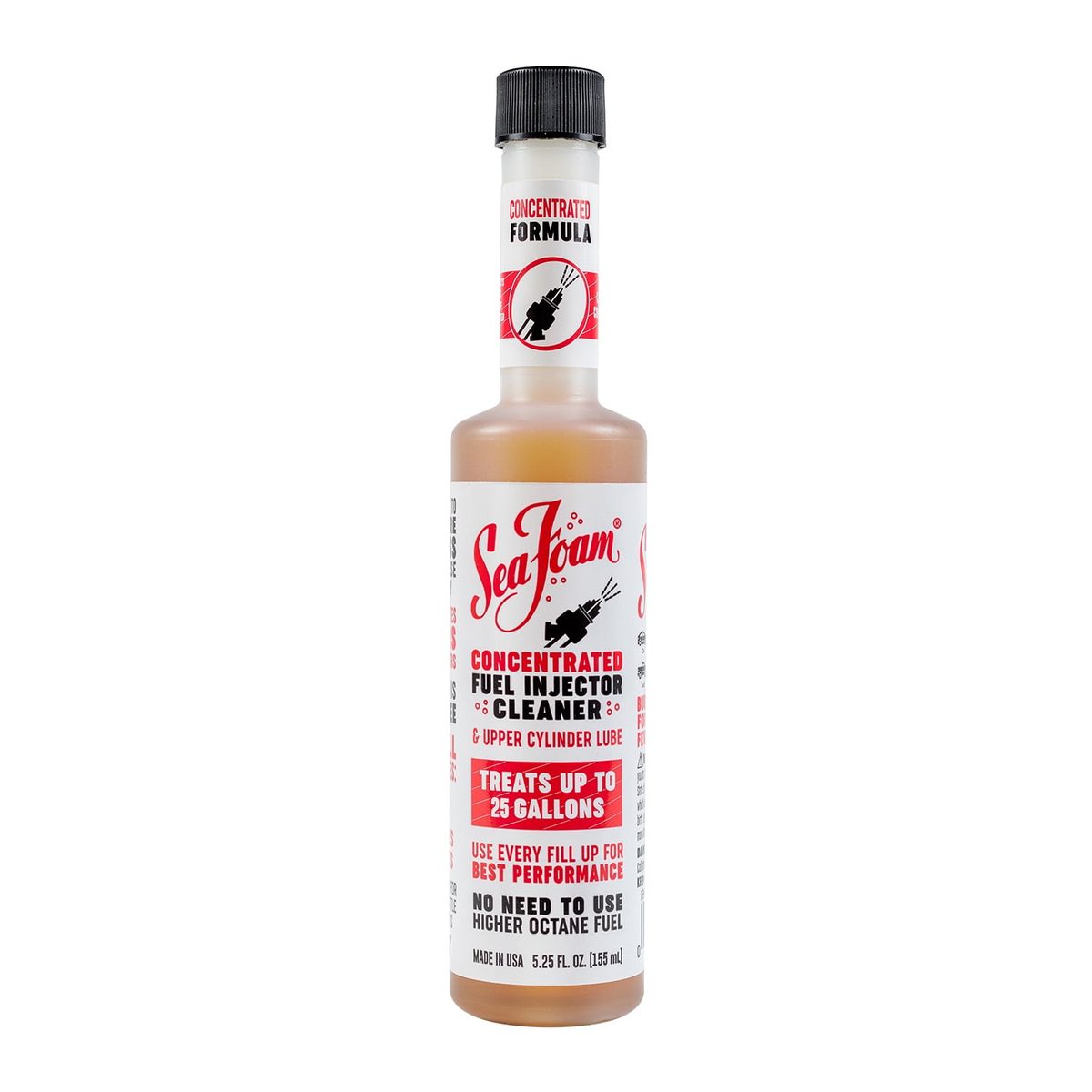
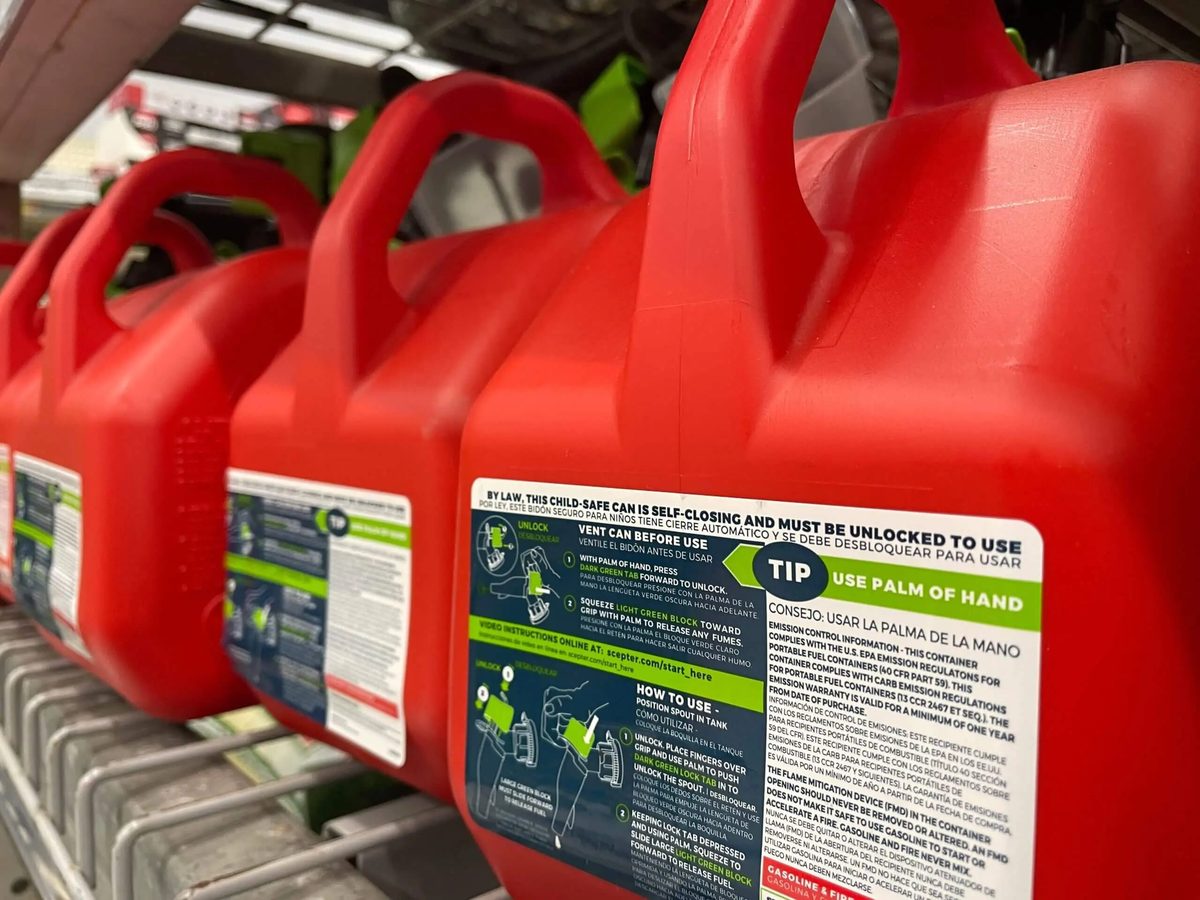
A bottle of Sea Foam engine cleaner costs about $12 at an auto parts store. Under a 2023 Consumer Product Safety Commission (CPSC) rule, that small container would have needed a flame mitigation device built for five-gallon gasoline cans. The agency scrapped the requirement on October 15 after a federal court ruled it had interpreted the law too broadly.

The interpretive rule, effective October 19, declares that fuel additives meant to clean engines, stabilize fuel, or extend engine life are not "flammable liquid fuels" under the Portable Fuel Container Safety Act of 2020. The CPSC estimates the change saves manufacturers $545.7 million a year in compliance costs, with the present value of avoided costs ranging from $3.8 billion over 10 years to $10.7 billion over 30 years.

Why it matters

Fuel additive makers — many of them small businesses — no longer face up to $545.7 million a year in packaging costs that would have raised prices on engine cleaners and fuel stabilizers.

Questions about this story

Free account needed to ask — your question is kept and asked for you right after sign-up. Answers are public.

No questions yet — be the first to ask.

Key Indicators

$545.7M
Annual avoided compliance costs
CPSC's estimate of annual regulatory costs the interpretive rule eliminates for fuel additive manufacturers.
$10.7B
Present value of avoided costs over 30 years
Upper end of the range CPSC estimates, discounted at 7 percent per Office of Management and Budget guidance.
$3.8B
Present value of avoided costs over 10 years
Lower end of the range, discounted at 3 percent.
2026-10-19
Interpretive rule effective date
The rule was published in the Federal Register and took effect on this date.

Voices

Curated perspectives — historical figures and your fellow readers.

Ever wondered what historical figures would say about today's headlines?

Sign up to generate historical perspectives on this story.

People Involved

Organizations Involved

Timeline

December 2020 October 2026

6 events Latest: 3 days ago
Tap a bar to jump to that date
  1. Interpretive rule takes effect

    Upcoming Regulation

    Federal Register publication confirms fuel additive containers are outside the flame mitigation requirement.

  2. CPSC announces fuel additive exemption

    Latest Regulation

    Agency declared fuel additives are not flammable liquid fuels under the PFCSA, saving businesses up to $10.7 billion.

  3. CPSC finalizes flame mitigation rule

    Regulation

    Agency applied the requirement broadly to include pre-filled fuel additive containers.

  4. Portable Fuel Container Safety Act enacted

    Legislation

    Congress passed the law requiring flame mitigation devices on portable fuel containers for flammable liquid fuels.

Scenarios

1

Exemption holds; no successful legal or legislative challenge

Likely Resolves by Jan 1, 2028

Discussed by: ILMA, which described the outcome as settled law after the government declined to appeal

The district court ruling stands as the controlling interpretation and the CPSC interpretive rule remains in force. No court reverses the decision and Congress does not amend the statute to explicitly include fuel additives. The industry treats the flame mitigation requirement for additive containers as permanently resolved.

2

Congress amends PFCSA to explicitly cover fuel additives

Unlikely Resolves by Jan 1, 2028

Discussed by: Not currently advocated by any named group; would require new legislative action

A future Congress responds to the court ruling and interpretive rule by amending the Portable Fuel Container Safety Act to add explicit language bringing fuel additives within the flame mitigation requirement. This would override both the court decision and the agency's interpretation.

3

New administration revisits the interpretation

Unlikely Resolves by Jan 1, 2028

Discussed by: Possibility under a future administration that reverses Executive Order 14192 guidance

A subsequent administration could direct the CPSC to reconsider the interpretive rule, potentially restoring the broader reading of flammable liquid fuels if the agency can cite new incident data involving fuel additive containers.

Historical Context

2 moments from history that rhyme with this story — and how they unfolded.

June 2022

West Virginia v. EPA (2022)

The Supreme Court held that the Environmental Protection Agency lacked authority under the Clean Air Act to impose a broad emissions cap without clear congressional authorization. The majority invoked the "major questions doctrine," requiring agencies to point to explicit statutory language for actions with major economic and political significance.

Then

The EPA's Clean Power Plan was effectively voided.

Now

Courts became more willing to scrutinize agency interpretations that stretch statutory text.

Why this matters now

The Sea Foam case rests on the same principle: a federal court found CPSC stretched the phrase "flammable liquid fuels" beyond its plain meaning to reach products Congress did not target.

June 2024

Loper Bright Enterprises v. Raimondo (2024)

The Supreme Court overruled the 1984 Chevron doctrine, which had required courts to defer to reasonable agency interpretations of ambiguous statutes. Courts must now exercise independent judgment on the law's meaning.

Then

Agencies lost the benefit of the doubt in statutory interpretation disputes.

Now

Litigants gained a stronger hand in challenging agency readings that lack clear statutory text.

Why this matters now

This shift in the legal landscape made it easier for Sea Foam to win its suit against the CPSC and made the agency's decision not to appeal a losing position more practical.

Sources

(5)