
Pull to refresh
Logo
Daily Brief
Following
Why Ranks Sign Up
CRISPR tool makes 'immune-cold' prostate cancer respond to immunotherapy in mice

CRISPR tool makes 'immune-cold' prostate cancer respond to immunotherapy in mice

New Capabilities

An RNA-targeting gene editor switched a hidden immune 'flag' back on, drawing immune cells into tumors that normally ignore checkpoint drugs.

Today: Findings reach wider coverage

Overview

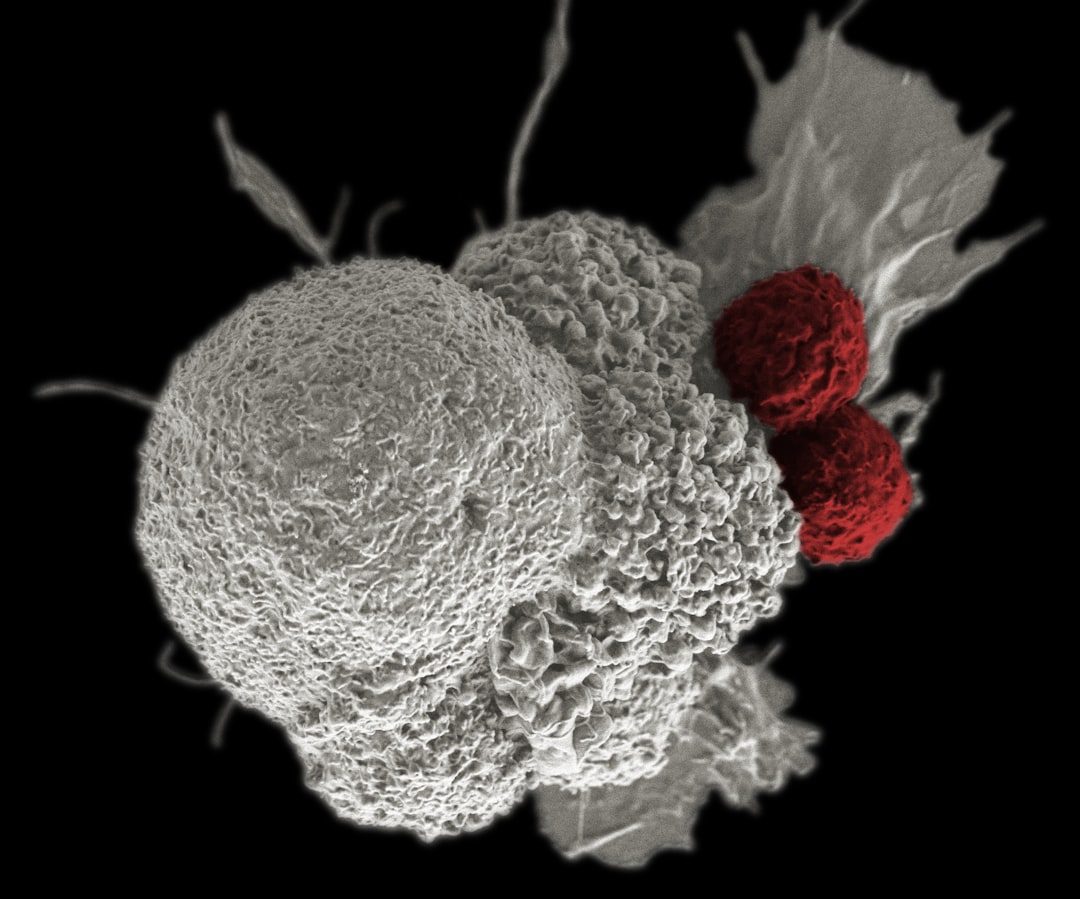
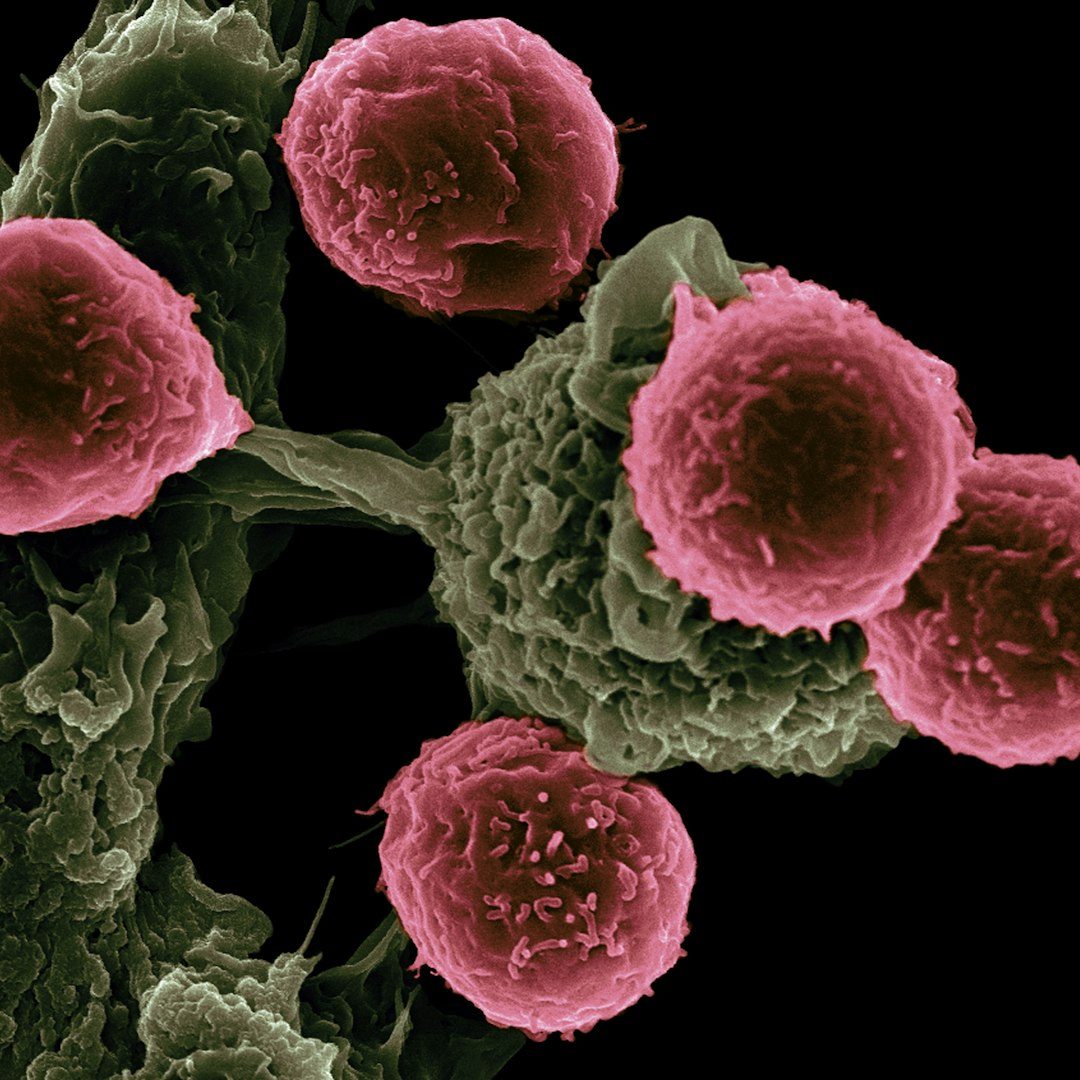
Immunotherapy has changed cancer treatment over the past 15 years, but prostate tumors barely respond to it. Researchers have now found a way to make these 'cold' tumors visible to the immune system, at least in mice.

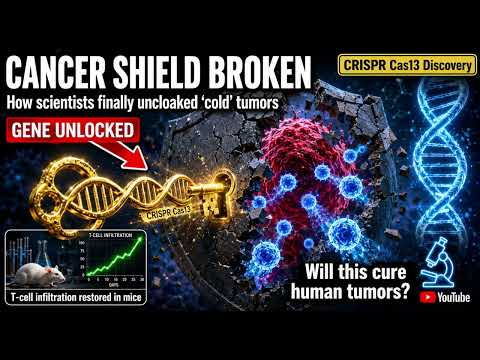
A team led by Duke University and University of Rochester scientists used an RNA-targeting version of CRISPR to switch a molecular 'flag' back on inside prostate cancer cells. That flag let immune cells find the tumor and made existing checkpoint drugs work far better. The results are early and have not been tested in people.

Why it matters

Prostate cancer kills about 35,000 American men a year and mostly shrugs off immunotherapy. This tool could crack that resistance, if it works in humans.

Questions about this story

No questions yet — be the first to ask.

Key Indicators

~35,000
U.S. prostate cancer deaths per year
Prostate cancer is the second-leading cause of cancer death in American men.
17%
Response rate to current immunotherapy
In the KEYNOTE-028 trial, only PD-L1-positive advanced prostate cancers responded to pembrolizumab, and only about 1 in 6 of those.
1
Checkpoint drugs approved for prostate cancer
Pembrolizumab is cleared only for a narrow genetic subset of patients.
0
Human trials of the new tool
The work has been tested only in mice so far.

Voices

Curated perspectives — historical figures and your fellow readers.

Ever wondered what historical figures would say about today's headlines?

Sign up to generate historical perspectives on this story.

Play

Exploring all sides of a story is often best achieved with Play.

Log in to play. Track your picks, climb the leaderboards. Log in Sign Up
Predict 4 ways this could play out. Contrarian picks score more — points lock when the scenario resolves. Log in to play
Higher or Lower Two numbers from this story. Guess which is bigger. 5 rounds to set a streak. Log in to play
Connections Sixteen names from the news. Find the four hidden groups of four. Log in to play

People Involved

Organizations Involved

Timeline

April 2010 July 2026

4 events Latest: Today
Tap a bar to jump to that date
  1. Findings reach wider coverage

    Today Statement

    Researchers describe the approach as a possible route to treating 'immune-cold' cancers, while stressing the results are early and not yet tested in humans.

  2. RNA-based CRISPR tool published

    Research

    Duke and Rochester scientists report in Nature Biomedical Engineering that a Cas13 tool restores the MHC-I immune 'flag' on prostate tumors and boosts checkpoint therapy in mice.

  3. Pembrolizumab cleared for a genetic subset

    Regulatory

    The FDA approves the checkpoint drug pembrolizumab for tumors with specific DNA-repair defects, covering only a small slice of prostate cancer patients.

  4. First prostate cancer immunotherapy approved

    Regulatory

    The FDA approves sipuleucel-T, a cell-based vaccine for advanced prostate cancer. It extends survival modestly and shows how hard the disease is to treat with the immune system.

Historical Context

3 moments from history that rhyme with this story — and how they unfolded.

April 2010

Sipuleucel-T approval (2010)

The FDA approved sipuleucel-T, the first therapeutic cancer vaccine, for advanced prostate cancer. It trained a patient's own immune cells to attack the tumor. The survival benefit was measured in months.

Then

It proved the immune system could be turned against prostate cancer, but the effect was small and the treatment costly and complex.

Now

The drug saw limited use and showed how stubbornly 'cold' prostate tumors resist immune attack.

Why this matters now

It marks the start of a 15-year effort to make immunotherapy work in prostate cancer, the problem the new tool tries to solve.

March 2011

Ipilimumab in melanoma (2011)

The FDA approved ipilimumab, the first checkpoint inhibitor, for advanced melanoma. Melanoma is a 'hot' tumor, riddled with mutations that flag it to the immune system. Some patients saw long-lasting remissions.

Then

Checkpoint drugs became a standard treatment for melanoma and lung cancer.

Now

Their success in 'hot' tumors sharpened the puzzle of why 'cold' tumors like prostate and pancreatic cancer barely respond.

Why this matters now

The new tool aims to convert a cold tumor into something closer to the hot tumors where checkpoint drugs already work.

August 2017

CAR-T cells hit a wall in solid tumors (2017)

The FDA approved the first CAR-T cell therapy, which re-engineers a patient's T cells to hunt cancer. It produced striking cures in some blood cancers. In solid tumors, the same cells struggled to find and enter the mass.

Then

CAR-T became a powerful option for certain leukemias and lymphomas.

Now

Its failure against solid tumors focused research on the barriers that keep immune cells out, including missing 'flags' like MHC-I.

Why this matters now

The new work targets exactly that barrier, restoring the MHC-I flag so immune cells can recognize a solid tumor.

Sources

(5)