
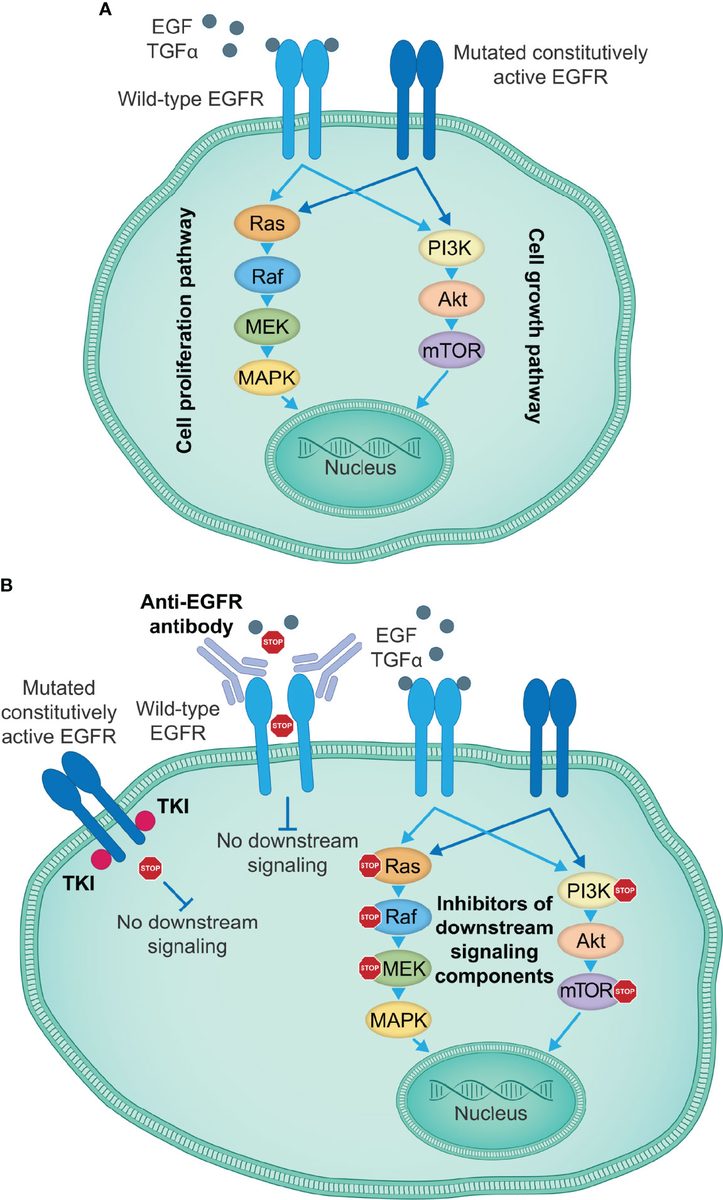


Every year, hundreds of thousands of lung cancer patients start treatment with osimertinib, the leading targeted therapy for tumors driven by mutations in the EGFR gene. Most of them will respond. Nearly all of them will eventually stop responding, as their cancers evolve resistance through a dozen different molecular escape routes. Until now, researchers trying to understand those escape routes had to work with messy, inconsistent lab models that made it difficult to pin down which genetic change caused which failure. On April 20, 2026, the American Type Culture Collection (ATCC) and the Broad Institute of MIT and Harvard released a panel of 13 precisely engineered cancer cell lines, each genetically identical except for a single, defined resistance mechanism, giving researchers clean, standardized tools to study exactly how and why treatments stop working.
The release matters beyond any single drug. The models feed into a new initiative called the Response and Resistance Map, or ResMap, which aims to systematically catalog how cancers adapt to therapy across tumor types and drug classes. Combined with the Broad's existing Cancer Dependency Map (DepMap) and made freely available to researchers worldwide, the panel provides both human scientists and artificial intelligence-driven drug discovery programs with the kind of high-quality, unambiguous data needed to design combination therapies that cut off tumor escape routes before they open.