


Pull to refresh
Logo
Daily Brief
Following
Why Ranks Sign Up
CrowdStrike posts record cash flow in first results since 2024 outage

CrowdStrike posts record cash flow in first results since 2024 outage

Money Moves

Nearly two years after a faulty update crashed 8.5 million computers, the security firm reports record cash flow and announces a 4-for-1 stock split

Yesterday: Record cash flow and a 4-for-1 split

Overview

In July 2024, one bad CrowdStrike update crashed 8.5 million Windows computers and wiped a third off the company's market value. On June 3, 2026, CrowdStrike reported record quarterly cash flow and announced a 4-for-1 stock split.

The numbers say the customers stayed. Revenue rose about 26% to $1.39 billion, free cash flow hit a record $468 million, and total subscriptions reached $5.5 billion. Yet shares fell after hours, because the company's forward guidance came in softer than investors wanted.

Why it matters

CrowdStrike protects the laptops, banks, and airlines you rely on. Its recovery shows whether one catastrophic failure can sink a security vendor, or not.

Questions about this story

No questions yet — be the first to ask.

Key Indicators

$1.39B
Quarterly revenue
Up about 26% from the same quarter a year earlier.
$468M
Free cash flow
A company record for a single quarter.
$256M
Net new annual recurring revenue
Record value of newly signed subscriptions, up 32% year over year.
$5.5B
Total recurring revenue
Annual value of all active subscriptions, up 24%.
4-for-1
Stock split ratio
Holders get three extra shares per share; split-adjusted trading starts July 2, 2026.

Voices

Curated perspectives — historical figures and your fellow readers.

Ever wondered what historical figures would say about today's headlines?

Sign up to generate historical perspectives on this story.

Play

Exploring all sides of a story is often best achieved with Play.

Log in to play. Track your picks, climb the leaderboards. Log in Sign Up
Predict 4 ways this could play out. Contrarian picks score more — points lock when the scenario resolves. Log in to play
Higher or Lower Two numbers from this story. Guess which is bigger. 5 rounds to set a streak. Log in to play
Timeline Five events from this story — drag them oldest to newest. Log in to play
Connections Sixteen names from the news. Find the four hidden groups of four. Log in to play

People Involved

Organizations Involved

Timeline

July 2024 June 2026

6 events Latest: Yesterday
Tap a bar to jump to that date
  1. Record cash flow and a 4-for-1 split

    Latest Earnings

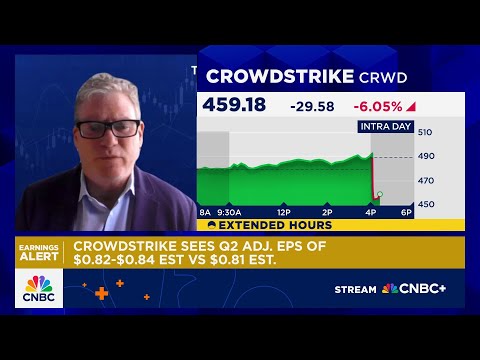
    CrowdStrike reports revenue up about 26% to $1.39 billion and record free cash flow of $468 million, and announces a 4-for-1 stock split. Shares fall after hours on cautious guidance.

  2. Stock reaches record high

    Market

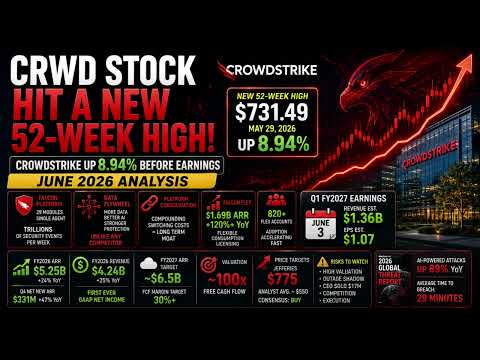
    CrowdStrike closes at an all-time high near $619 as enterprise security spending stays strong.

  3. Outage still weighs on guidance

    Earnings

    A year after the incident, CrowdStrike shares dip about 6% as the company cites lingering revenue effects from post-outage customer deals.

  4. Shares hit post-outage low

    Market

    CrowdStrike stock falls to about $218, down from $343 the day before the outage, erasing more than $30 billion in market value.

  5. Faulty update crashes millions of computers

    Incident

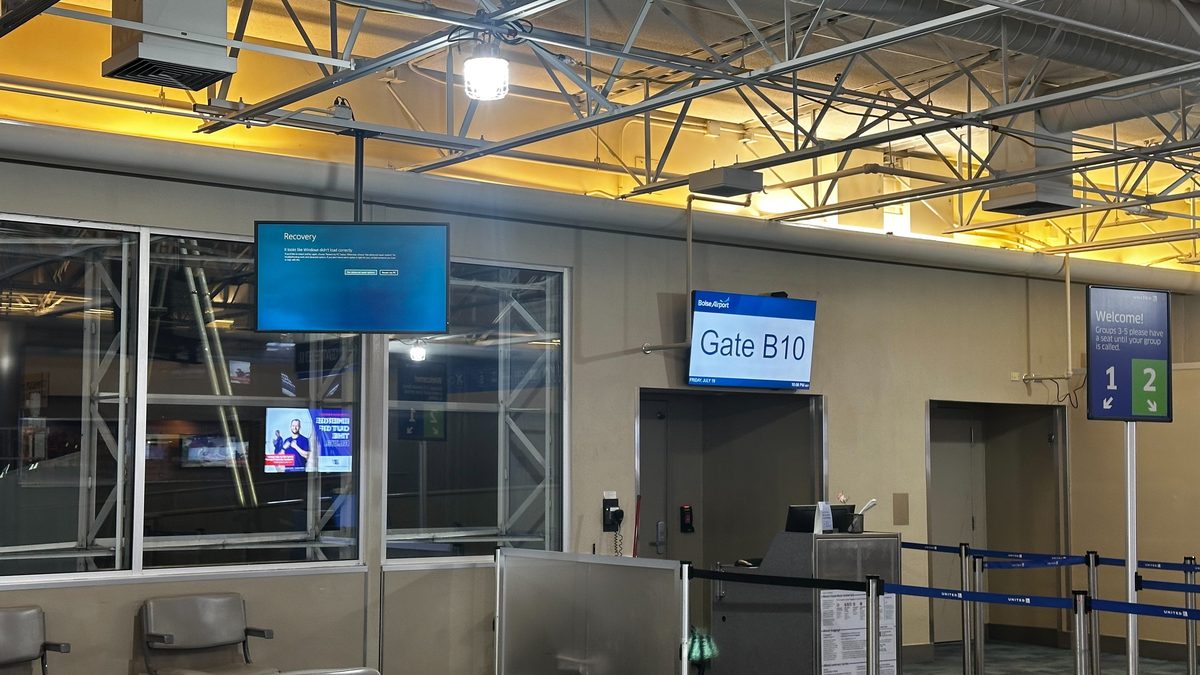
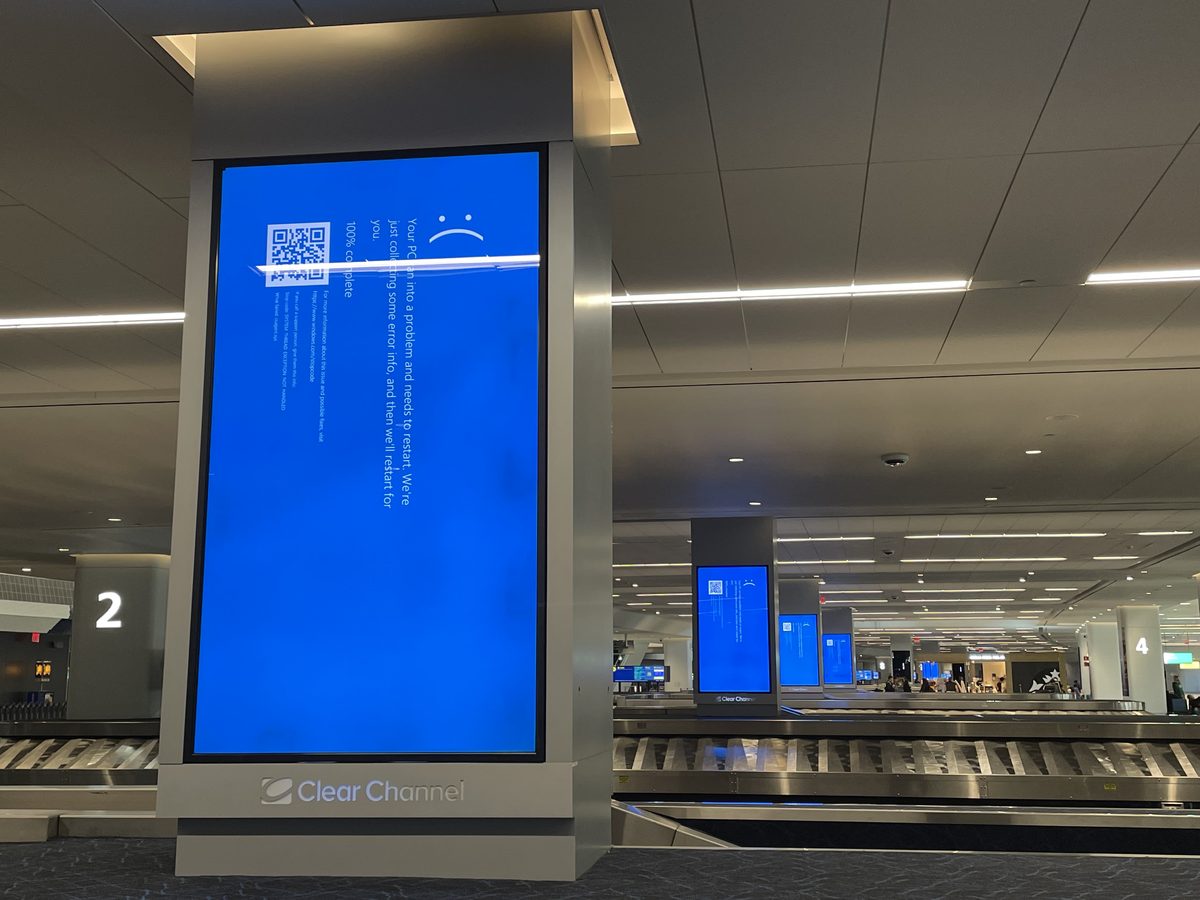
    A defective CrowdStrike Falcon update crashes an estimated 8.5 million Windows devices worldwide, grounding flights and disrupting hospitals, banks, and broadcasters.

Historical Context

3 moments from history that rhyme with this story — and how they unfolded.

1994–1995

Intel's Pentium floating-point bug (1994)

A flaw in Intel's Pentium chip produced rare math errors. Intel first downplayed it, then faced public anger and took a $475 million charge to replace chips for any customer who asked.

Then

Intel's reputation took a sharp hit and the charge dented its earnings.

Now

Intel kept its market lead and the episode became a textbook case in handling a product defect.

Why this matters now

Like CrowdStrike, Intel showed that a single widely felt technical failure need not be fatal if the core product stays dominant and customers stay.

March 2019 onward

Boeing 737 MAX groundings (2019)

After two crashes killed 346 people, regulators grounded Boeing's best-selling jet worldwide. The company faced lawsuits, criminal scrutiny, and billions in costs.

Then

Boeing lost orders and its stock fell sharply during the grounding.

Now

The jet returned to service, but legal and safety questions trailed Boeing for years.

Why this matters now

It shows the other path: when a failure causes physical harm and litigation drags on, recovery is slower and messier than a software vendor's rebound.

September 2017

Equifax data breach (2017)

Hackers exposed personal data of about 147 million people. Equifax's stock dropped roughly a third, its CEO resigned, and it later agreed to a settlement of up to $700 million.

Then

Shares fell hard and executives departed amid public outrage.

Now

Equifax recovered its share price within about two years and kept operating.

Why this matters now

A close parallel on timing: a security firm's stock can erase a major shock within roughly two years, which is about CrowdStrike's pace.

Sources

(7)