
Pull to refresh
Logo
Denver Preschool Program expands beyond preschool to infants, toddlers and caregivers

Denver Preschool Program expands beyond preschool to infants, toddlers and caregivers

Rule Changes Denver, CO local

A sales tax Denver voters approved for 4-year-olds in 2006 is being pointed at younger children

Overview

Updated 10 hours ago

In November 2006, Denver voters agreed to tax themselves 12 cents on every $100 purchase to pay for preschool. The measure passed by 1,815 votes. Twenty years later, the Denver Preschool Program is planning to spend money on children younger than the ones it was built for.

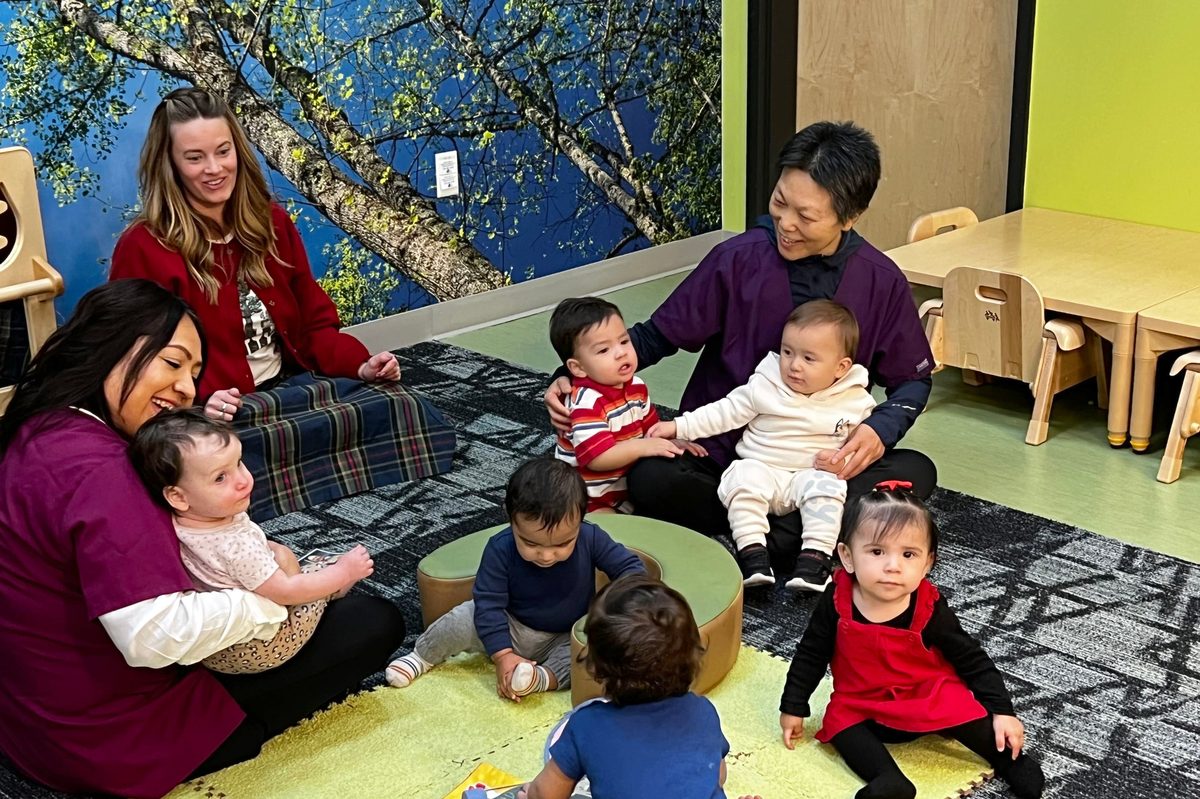
Denverite reported on Nov. 19, 2026 that an expanded program will support caregivers, infants and toddlers. That is a change in who the money reaches. The original ballot measure prioritized 4-year-olds; a 2014 tax increase added 3-year-olds and year-round support.

Why it matters

Denver's program is testing whether a city sales tax built for 4-year-olds can stretch to infants and toddlers.

Last Monday's email for Denver, CO

Sent Nov 16. It carried:

Get next Monday's: one short email a week. Free. Unsubscribe in one click.

Questions about this story

Free account needed to ask — your question is kept and asked for you right after sign-up. Answers are public.

No questions yet — be the first to ask.

Key Indicators

20
Years since voters created the program
Denver voters approved the preschool sales tax in November 2006.
0.12%
Denver sales tax rate dedicated to the program
Twelve cents on every $100 purchase, as set in the 2006 ballot measure.
1,815
Vote margin that created the program
The 2006 measure passed narrowly, which shaped how backers designed later requests.
$12M
Annual revenue projected at launch (2006)
The figure backers put on the program when it went to voters.

Voices

Curated perspectives — historical figures and your fellow readers.

Sign up to generate historical perspectives on this story.

People Involved

Organizations Involved

Timeline

2000 November 2026

8 events Latest: Yesterday
Tap a bar to jump to that date
  1. Expansion to infants, toddlers and caregivers reported

    Latest Announcement

    Denverite reports the program's plans to widen its reach below preschool age.

  2. Denver voters reauthorize the program indefinitely

    Election

    The preschool sales tax no longer carries an expiration date.

  3. Colorado voters fund universal preschool

    Election

    A tax on tobacco and nicotine products pays for free preschool hours for Colorado 4-year-olds.

  4. Voters approve a tax increase

    Election

    The extra money lets the program serve 3-year-olds and offer year-round tuition support.

  5. Denver voters create the preschool program

    Election

    Ballot Question 1A passes by 1,815 votes, adding 12 cents per $100 to the sales tax.

  6. Preschool Matters campaign launches

    Campaign

    Backers begin building the coalition and ballot language for a preschool sales tax.

  7. A second children's tax proposal fails

    Election

    Denver voters reject another sales tax increase for children's programs.

  8. Denver voters reject the first 'kid tax'

    Election

    Mayor Wellington Webb's proposal to fund children's programs with a sales tax increase fails at the ballot.

Scenarios

1

Denver Preschool Program starts paying for infant and toddler care

Likely Resolves by Q2 2028

Discussed by: Denverite, reporting the program's expansion plans

The reported plan says the expanded program will support caregivers, infants and toddlers. If the program publishes eligibility rules that let families use tuition credits for children younger than 3, the 2006 mandate has effectively been rewritten without another trip to the ballot. That would make Denver one of the few cities directing local sales tax money at infant care.

2

Denver voters are asked for a preschool tax increase

Possible Resolves by Nov 30, 2028

Discussed by: Not yet reported; follows the pattern of the 2006 and 2014 campaigns

A tax rate designed to raise about $12 million a year in 2006 now has to cover more children and more ages. If the program's board concludes the existing rate cannot carry the expansion, the next step is a Denver ballot measure. Voters have said yes three times, but each win required a campaign, and the first one passed by fewer than 2,000 votes.

3

The expansion turns out to be caregiver support, not infant tuition

Possible Resolves by Q2 2028

Discussed by: No named forecaster; this is the structural risk in the reported plan

Infant rooms cost more per child than preschool rooms because Colorado licensing requires more adults per baby. Faced with that math, the program could spend the new money mainly on caregiver coaching, home visiting or parent support. That would still match the reported language about supporting caregivers, infants and toddlers, but it would not put many babies into paid care.

Historical Context

3 moments from history that rhyme with this story — and how they unfolded.

2000–2001

Denver's failed 'kid tax' votes (2000–2001)

Mayor Wellington Webb twice asked Denver voters to raise the sales tax to fund programs for children. Both measures lost. Backers read the defeats as a signal that voters wanted a narrower, more concrete promise.

Then

The 2006 campaign narrowed the ask to preschool for 4-year-olds and ran it through a business and philanthropic coalition rather than city hall.

Now

The reworked measure passed by 1,815 votes and became the Denver Preschool Program.

Why this matters now

Every later expansion, including the one now being planned, inherits a mandate that was built to be narrow on purpose.

1994–1995

Early Head Start (1994–1995)

Head Start had served 3- to 5-year-olds since 1965. The 1994 reauthorization of the Head Start Act created a companion program for pregnant women and children under 3, and the first grants went out in 1995.

Then

A small number of local agencies began offering home visiting, child care and parent support to families with infants and toddlers.

Now

The under-3 program became a standing federal line item, separate from the preschool program it grew out of.

Why this matters now

It is the clearest precedent for a program built around 4-year-olds extending downward, and for how often the younger program ends up emphasizing parent support.

2023

Colorado's universal preschool launch (2023)

Colorado began enrolling 4-year-olds in a state-funded universal preschool program, paid for by a 2020 tax on tobacco and nicotine products. It offers a set number of free hours per week, with more for children from lower-income families.

Then

Families gained a free state option, and local programs had to explain what their money added on top of it.

Now

The state now sets the baseline for preschool funding in Colorado, leaving cities to fill gaps rather than create the market.

Why this matters now

Denver's city program now has to find space the state program does not cover. Infants and toddlers are one of the few gaps left.

Sources

(2)