
Pull to refresh
Logo
Denver redirects parking meter money away from bike and pedestrian projects

Denver redirects parking meter money away from bike and pedestrian projects

Money Moves Denver, CO local

A fund built from higher meter rates is paying for a parking ticket appeals system instead of sidewalks and bike lanes

Overview

Updated 10 hours ago

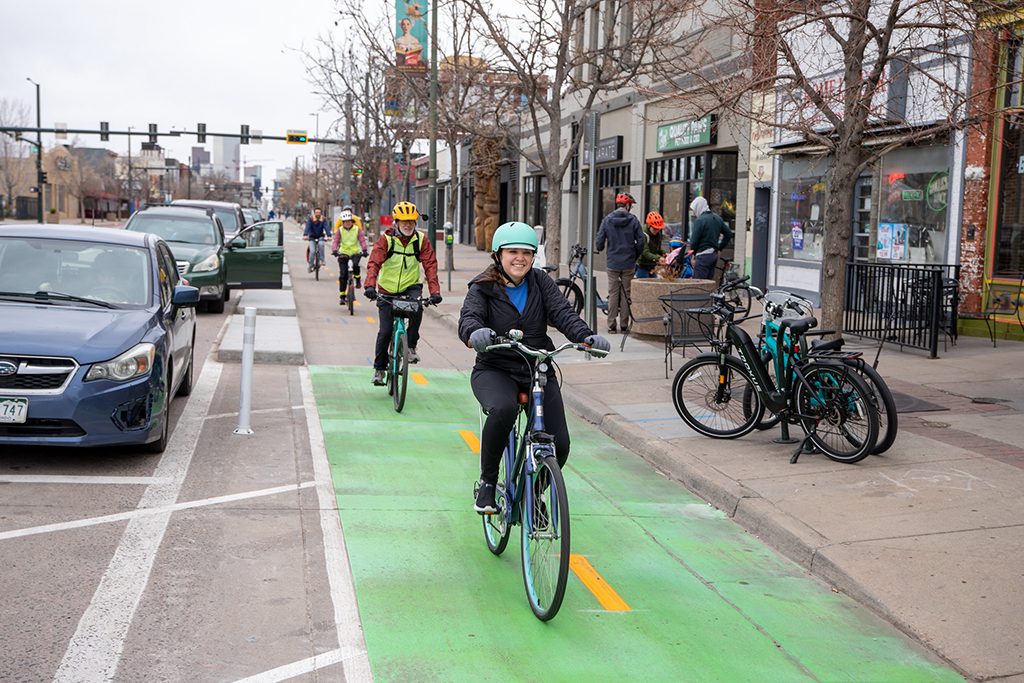
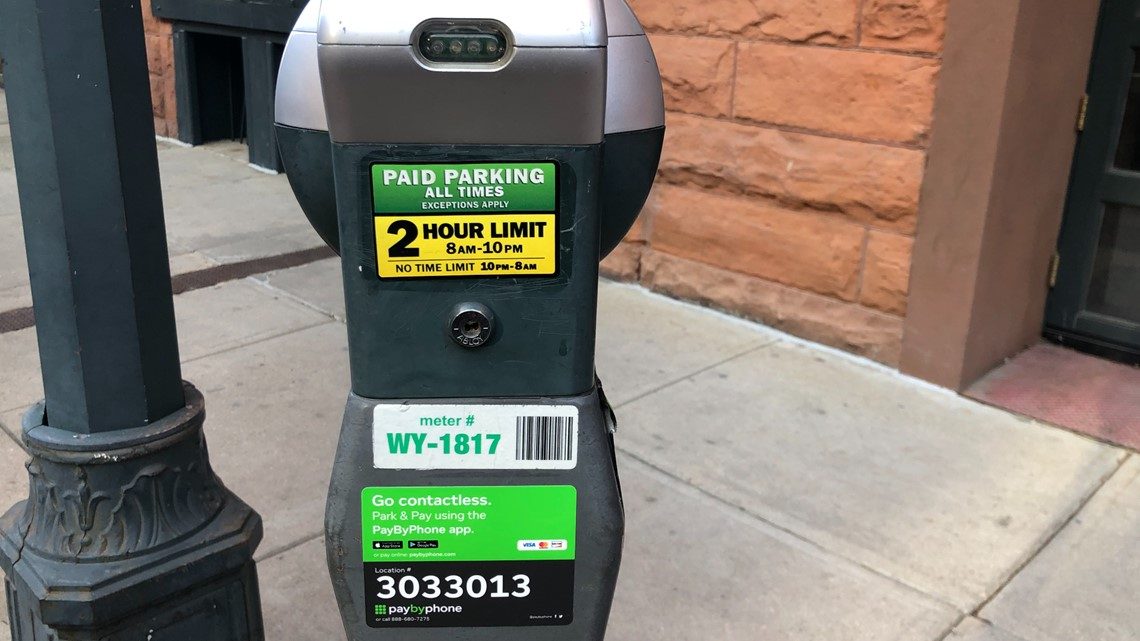
Denver doubled its parking meter rate in 2021, from $1 an hour to $2, and put the extra money in a fund for sidewalks, bike lanes and traffic-safety projects. In the city's 2026 budget, $8.4 million from that fund went to a parking ticket appeals system. The fund raises about $15 million a year, so the transfer is more than half of it.

Denverite reported the shift on Nov. 19. It is not a one-budget slip: advocacy groups wrote to city council in October saying the mayor's proposed 2027 budget keeps moving safe-streets money to other uses. Money that never reaches a project is a project that does not get built.

Why it matters

Denver told drivers their meter money would buy safer streets. Every dollar moved to a ticket appeals desk is a sidewalk that waits.

Last Monday's email for Denver, CO

Sent Nov 16. It carried:

Get next Monday's: one short email a week. Free. Unsubscribe in one click.

Questions about this story

Free account needed to ask — your question is kept and asked for you right after sign-up. Answers are public.

No questions yet — be the first to ask.

Key Indicators

$8.4M
Mobility fund money going to a parking ticket appeals system
The amount the 2026 budget slated for the appeals system from the Transportation & Mobility Special Revenue Fund.
$15M
Annual revenue in the mobility fund
Roughly what the extra parking meter revenue generates each year, per the Denver Streets Partnership.
More than half
Share of the fund redirected in 2026
The appeals system transfer is the majority of the fund's annual revenue.
$2/hr
Parking meter rate after the 2021 increase
The rate went from $1 to $2 an hour, and the increase was meant to pay for walking, biking and transit projects.

Voices

Curated perspectives — historical figures and your fellow readers.

Sign up to generate historical perspectives on this story.

People Involved

Organizations Involved

Timeline

2021 November 2026

4 events Latest: Yesterday
Tap a bar to jump to that date
  1. Denverite reports the diversions

    Latest Report

    Denverite reports that parking meter money meant to fund mobility has been redirected.

  2. Advocacy groups urge council to reject 2027 transfers

    Statement

    A sign-on letter tells council members the mayor's 2027 proposal keeps routing safe-streets money to other uses.

  3. Appeals system takes $8.4 million from the fund

    Budget

    In the 2026 budget, $8.4 million of the roughly $15 million fund is slated for a parking ticket appeals system.

  4. Denver doubles parking meter rates

    Policy

    The hourly rate rises from $1 to $2, with the added revenue dedicated to walking, biking, transit and Vision Zero projects.

Scenarios

1

Council strips the appeals-system transfer from the 2027 budget

Possible Resolves by End of 2026

Discussed by: Denver Streets Partnership, in its October 2026 sign-on letter to council members

Council members amend the mayor's 2027 proposal so the Transportation & Mobility Special Revenue Fund carries no money for the parking ticket appeals system, restoring the fund's money for bike, pedestrian and transit work. This requires at least eight of 13 members to vote for the amendment during budget markup.

2

Council adopts the 2027 budget with the transfer intact

Likely Resolves by End of 2026

Discussed by: Denver Streets Partnership, which warned the administration is repeating the move in its 2027 proposal

The mayor's proposal survives the council vote largely unchanged, and the appeals system keeps drawing on the mobility fund for a second budget year. That would make the 2026 transfer look less like a one-time patch and more like a recurring claim on the money.

3

The transfer becomes a standing line in the 2028 budget

Uncertain Resolves by Q3 2027

Discussed by: Implied by the Denver Streets Partnership's account of the 2027 proposal repeating the 2026 move

If the transfer survives two budget cycles, the next test is whether the mayor's 2028 proposal still treats the fund as available for non-mobility expenses. A third appearance would suggest the dedicated purpose has eroded in practice, whatever the fund's name says.

Historical Context

2 moments from history that rhyme with this story — and how they unfolded.

November 2004

FasTracks (2004)

Voters in the Regional Transportation District approved a sales tax increase to pay for FasTracks, a multi-decade transit build-out that the Denver Streets Partnership puts at about $5 billion. It was the region's largest commitment to transit in a generation.

Then

Construction started on new rail lines across the metro area, funded by the dedicated sales tax.

Now

The program's price rose above the original estimate and several lines opened years behind schedule, while the tax kept flowing.

Why this matters now

It shows what a dedicated tax can build over decades, and that a funding promise's scope gets renegotiated as costs and priorities shift.

November 2022

Denver Deserves Sidewalks (2022)

Denver voters approved a citizen-initiated ballot measure creating a property fee for sidewalks, estimated at about $40 million a year, to repair hazardous sidewalks and build missing ones. The city was to start collecting it in 2025.

Then

Voters chose a new dedicated revenue stream rather than relying on the general budget for sidewalk work.

Now

The measure made sidewalk funding a voter-mandated commitment, separate from the annual budget fight over the mobility fund.

Why this matters now

Denver voters have repeatedly built dedicated funds for street safety. The current dispute is about whether a fund created by the city, rather than by voters, gets the same protection.

Sources

(2)