



Denver sends Xcel franchise renewal to November ballot
Rule Changes20-year utility deal with $34M annual fee heads to voters
July 27th, 2026: Council refers revised deal to November ballotNew here? Follow stories to track developments over time. Create a free account to get updates when stories you care about change.
Overview
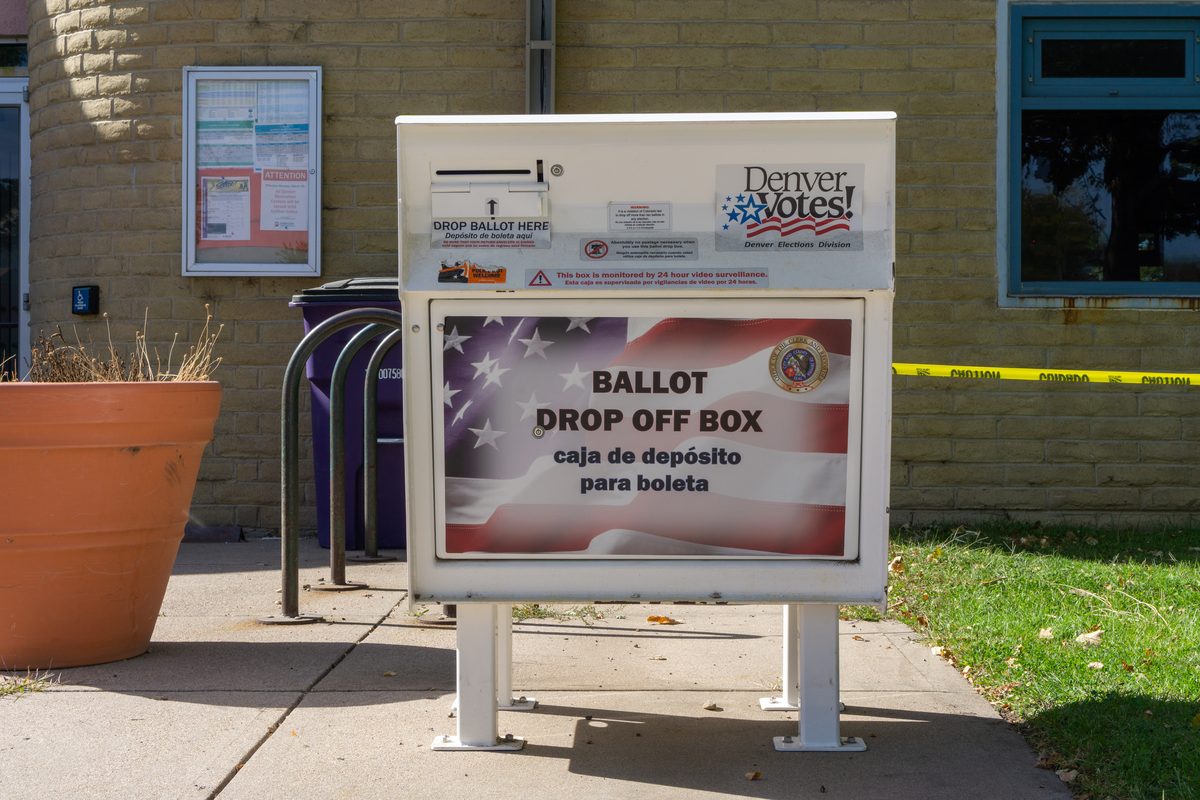
Updated 55 minutes agoDenver voters rejected Xcel Energy's franchise deal last November. On July 27, the City Council voted 10-2 to send a revised 20-year agreement to the November 3 ballot.
The new deal keeps a $34 million annual franchise fee flowing to the city's general fund. It also locks in Xcel's obligation to cover utility relocation costs during city projects — savings city officials estimate at $150 million a year. A companion agreement adds $2.5 million for bill-payment assistance and $10 million a year to bury overhead lines.
Why it matters
If Denver voters reject this deal, the city loses $34 million a year and gives up utility relocation savings that keep public works projects affordable.
Questions about this story
Free account needed to ask — your question is kept and asked for you right after sign-up. Answers are public.
No questions yet — be the first to ask.
Key Indicators
Voices
Curated perspectives — historical figures and your fellow readers.
Play
Exploring all sides of a story is often best achieved with Play.
WHO SAID WHAT?
Can you match the quotes to the right people?
- points for each correct match.
- time bonus when you answer in under seconds.
- streak bonus once you hit correct in a row.
— Who said this?
Tip: press 1– to answer.
points — sign up to put that on the leaderboard.
Higher or Lower
A number from this story, against one from elsewhere in the news — guess which is bigger, then keep the chain going. 5 rounds, 3 strikes; a miss costs a strike and resets your streak.
Keyboard: ↓/L lower · ↑/H higher
0 points — sign up to put that on the leaderboard.
Connections
Sixteen names from the news. Find the four hidden groups of four. Four mistakes max.
Sign up to keep a daily streak — a new puzzle lands every day.
Exit debate?
Your progress in this debate will be lost.
- 1 Two AI personas square off on this story.
- 2 You predict who'll win each round — correct picks earn XP.
- 3 One crossfire question is yours to fire. Pick it carefully.
Couldn't generate a topic
Select Your Champions
Choose one persona for each side of the debate
DEBATE TOPIC
Choose personas with different perspectives for a more dynamic debate.
Select debater for this side:
No debate personas available right now.
Select debater for this side:
No debate personas available right now.
Who's Got This Round?
Make your prediction before the referee scores
The referee scores both sides on
Round Results
Set the Crossfire
Pick the question both personas must answer in the final round
Debate Oracle! You called every round!
Sharp Instincts! You know your debaters!
The Coin Flip Strategist! Perfectly balanced!
The Contrarian! Bold predictions!
Inverse Genius! Try betting the opposite next time!
XP Breakdown
Prediction History
People Involved
Organizations Involved
Investor-owned energy company supplying electricity and gas to Denver and much of Colorado.
13-member body that must approve placing a utility franchise on the ballot under Denver's charter.
Nonpartisan group organizing residents around housing, energy, and public issues.
Municipal government that negotiated the franchise, energy partnership, and airport agreements with Xcel.
Timeline
January 2007 January 2027
-
Companion agreements take effect
Upcoming ImplementationEnergy partnership and airport agreements take effect if voters approve.
-
Denver voters decide franchise question
Upcoming ElectionFranchise agreement and companion measures appear on the November ballot.
-
Council refers revised deal to November ballot
Latest VoteCity Council votes 10-2 to send revised franchise and companion agreements to voters.
-
Parady announces resignation
PersonnelCouncilmember Sarah Parady says she will step down in August for health reasons.
-
Voters reject initial Xcel franchise deal
ElectionDenver voters turn down the first proposed franchise renewal.
-
Council initial vote backs 2025 ballot
VoteCouncil votes 8-5 for November 2025 placement; four members threaten to flip over Xcel's engagement.
-
Current Xcel franchise takes effect
AgreementDenver and Xcel sign a 20-year franchise with a companion agreement on service equity.
Historical Context
2 moments from history that rhyme with this story — and how they unfolded.
The 2007 Denver Xcel franchise (being replaced)
Denver's current Xcel franchise, negotiated in 2006 and effective 2007, was considered precedent-setting for its time. It included a companion agreement addressing the needs of customers over-burdened by utility costs and required Xcel to cover utility relocation during city projects.
The deal locked in 20 years of Xcel service with social-equity provisions that had not been standard in utility franchises.
The arrangement saved Denver taxpayers an estimated $3 billion in relocation costs. It also set expectations for what a franchise arrangement should include that the new negotiation has struggled to match.
The new companion agreement is directly compared to the 2007 version. City officials call the current deal stronger; opponents say the affordability and community provisions fall short of what was achieved two decades ago.
Boulder's failed Xcel municipalization (2011-2020)
Boulder voters approved creating a city-owned electric utility to replace Xcel in November 2011, with 70% support. The city spent years and tens of millions of dollars on feasibility studies, but projected costs climbed and the effort bogged down in legal and financial hurdles.
Boulder never launched its own utility, and Xcel remained the city's electric provider.
In November 2020, Boulder voters reversed course and repealed the municipalization mandate, keeping Xcel. The episode became a cautionary tale for Colorado cities contemplating a break from the utility.
Denver's leverage in franchise talks comes partly from the implicit threat of municipalization. Boulder's outcome signals that path is rarely realistic, so a rejection in Denver would most likely mean renegotiation, not a city takeover.
