


Pull to refresh
Logo
Detroit moves to take control of Considine Life Center

Detroit moves to take control of Considine Life Center

Built World Detroit, MI local

The North End community center has run since 1963; its longtime operators want the city to reconsider

Overview

Updated 1 hour ago

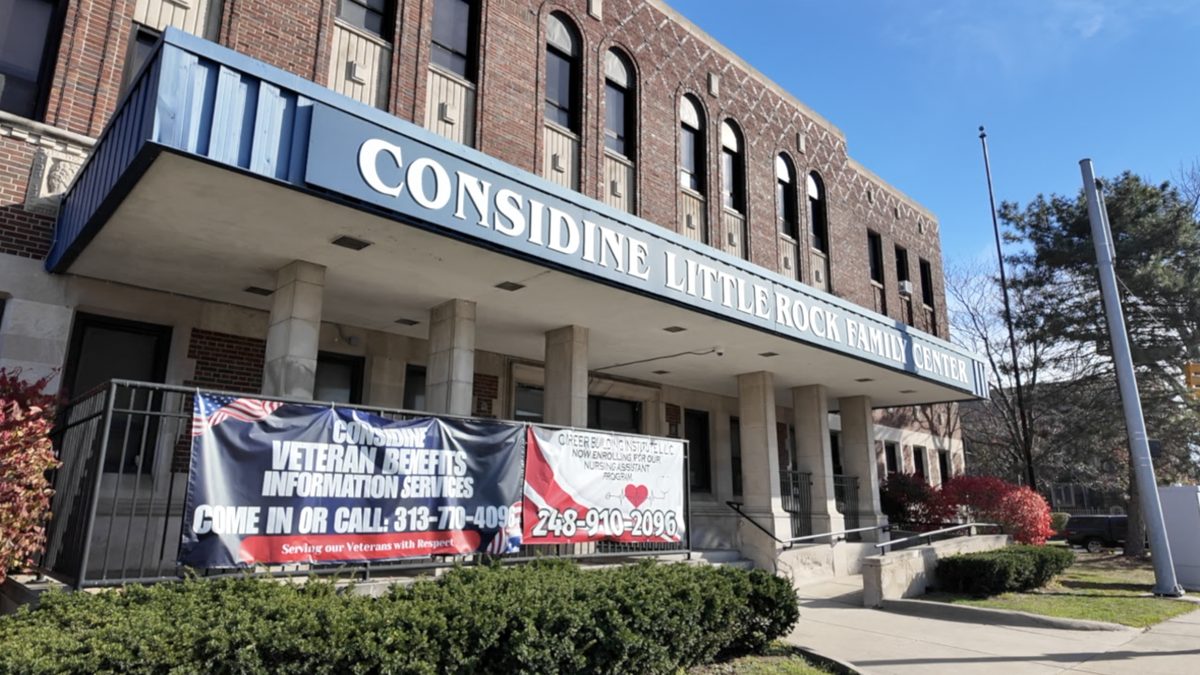
Detroit's city government wants to take control of the Considine Life Center, a community recreation center in the North End that has operated since 1963. The city points to needed repairs and safety concerns, and the center's longtime operators are asking it to reconsider.

The question under the dispute is who runs a shared neighborhood building and who pays to keep it open. Control sets which programs keep their space and which repairs get scheduled.

Why it matters

A 63-year-old neighborhood center tests who runs Detroid's public assets: the city, or the people who filled them.

Last Monday's email for Detroit, MI

Sent Nov 16. It carried:

Get next Monday's: one short email a week. Free. Unsubscribe in one click.

Questions about this story

Free account needed to ask — your question is kept and asked for you right after sign-up. Answers are public.

No questions yet — be the first to ask.

Key Indicators

1963
Year the center opened
Considine Life Center has operated in Detroid's North End since 1963, according to its own account.
2
Issues the city cites
Repairs the building needs and safety concerns at the facility.

Voices

Curated perspectives — historical figures and your fellow readers.

Sign up to generate historical perspectives on this story.

People Involved

Organizations Involved

Timeline

1963 November 2026

2 events Latest: Today
  1. City moves to take control; operators ask it to reconsider

    Today Governance

    Detroit plans to take control of the facility, citing repairs and safety concerns. Its longtime operators urge the city to reconsider.

  2. Considine Life Center opens in the North End

    Origins

    The community recreation center begins operating in Detroid's North End, according to its own history.

Scenarios

1

Council backs the takeover, Considine changes hands

Possible Resolves by Q2 2027

Discussed by: No named analyst has published a forcast; the scenario follows the city's stated plan

The city's plan moves through a formal vote and the municipality takes over operations of the North End facility. Operator involvement after the transfer, and the program calendar during repairs, would be settled in whatever terps the vote sets.

2

Repair deal struck, operators keep the building

Uncertain Resolves by Q1 2027

Discussed by: Implied by the operators' request that the city reconsider

The city and the operators agree on a written arrangement: the operators stay in charge, and the city funds or schedules the repairs it says are needed. This is the outcome the operators' request points toward, though neither side has published terms.

3

Standoff drags into 2028 with no decision

Possible Resolves by End of 2027

Discussed by: No named source; this is the no-decision default

Neither a transfer nor a repair agreement is completed. The building's condition and the programs inside it stay in the same uncertain state, and the question rolls to the next city budget cycle.

Historical Context

2 moments from history that rhyme with this story — and how they unfolded.

July 2013 – 2014

Detroit bankruptcy and the art museum (2013-2014)

Detroit filed for municipal bankruptcy in July 2013, then the largest city bankruptcy in US history. Creditors' attention turned to city-owned cultural assets, including the Detroid Institute of Arts collection. A 2014 settlement drew money from private foundations, the state and the museum itself to keep the art in the city rather than sell it.

Then

The collection stayed in Detroid and the museum's operations were shored off from direct city management.

Now

It set a template in which outside and private money protected a civic asset the city could no longer afford to carry alone.

Why this matters now

Considine is a smaller version of the same question: who pays to keep a city-owned civic asset open, and who gets to decide.

1975

New York City fiscal crisis (1975)

New York City ran out of money to pay its bills in 1975. The state stepped in with a financial control board that reviewed and approved the city's budgets in exchange for rescue financing.

Then

The city shed jobs and services and its budgets passed through state review.

Now

The arrangement established the precedent that a higher level of government can take over budget decisions from a city that cannot fund them.

Why this matters now

The Considine dispute is the same trade at building scale: someone else's money comes with someone else's control.

Sources

(2)