
1989
Porto Alegre participatory budgeting (1989)
The city government in Porto Alegre, Brazil, created a process for residents to allocate part of the city's capital budget. Neighborhood assemblies set priorities, and residents voted on spending.
Then
Thousands of residents participated, and spending shifted toward sanitation and paving in poorer neighborhoods.
Now
The model spread to cities worldwide, though most versions control a small share of total budgets.
Why this matters now
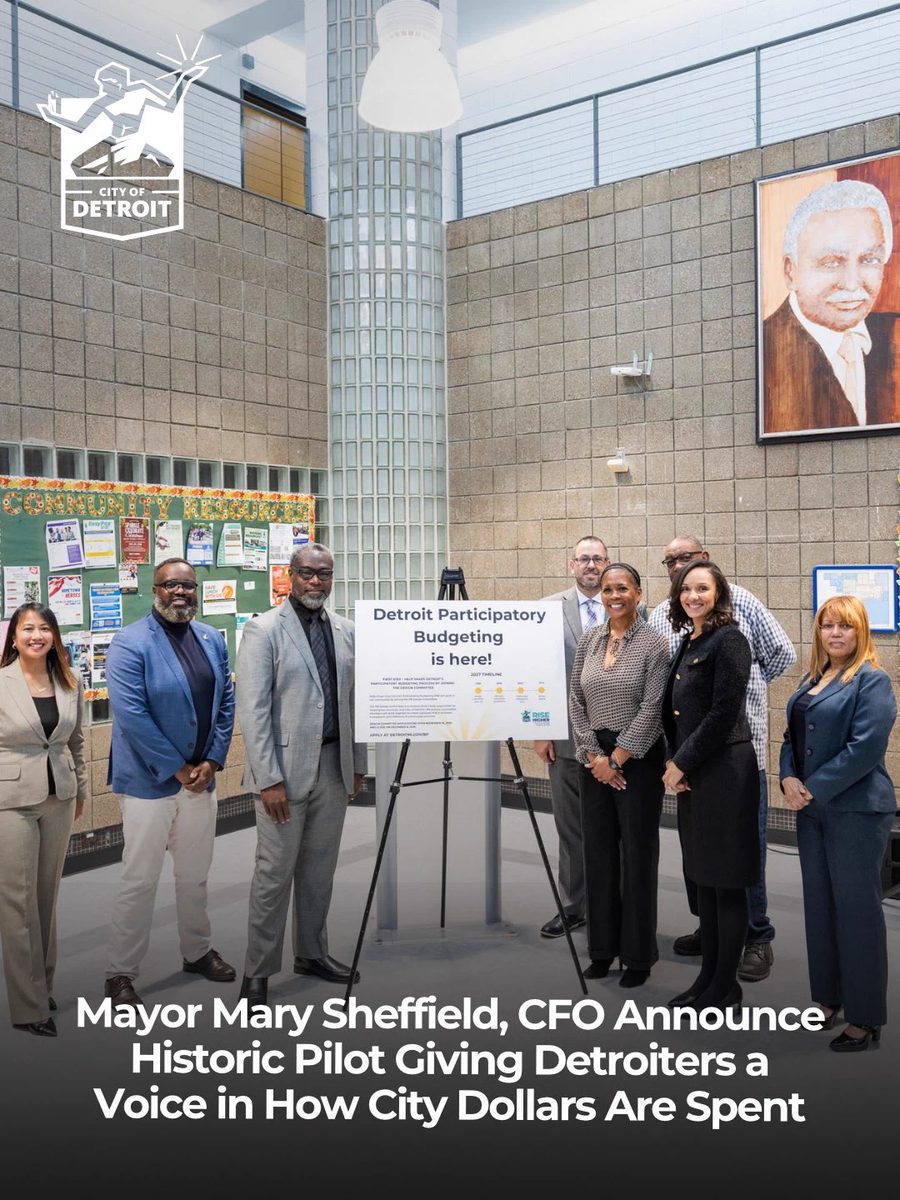
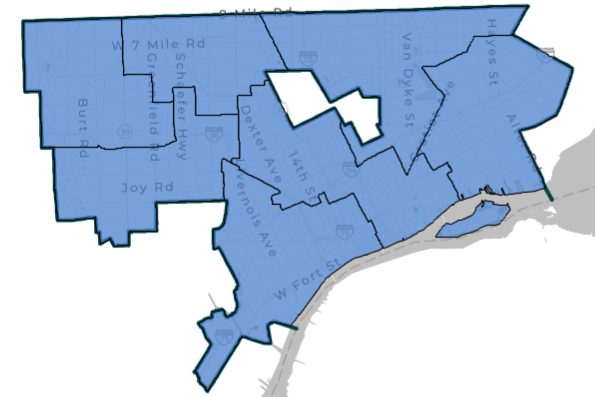
Detroit's pilot uses the same core design: a fixed pool, resident proposals and a public vote. Its $250,000 per district is much smaller than Porto Alegre's share.