
Pull to refresh
Logo
Lee Plaza restoration nears first-phase completion

Lee Plaza restoration nears first-phase completion

Built World Detroit, MI local

Detroit's last vacant high-rise is becoming 117 affordable apartments for seniors, with move-ins expected in early 2027.

Overview

Updated 1 hour ago

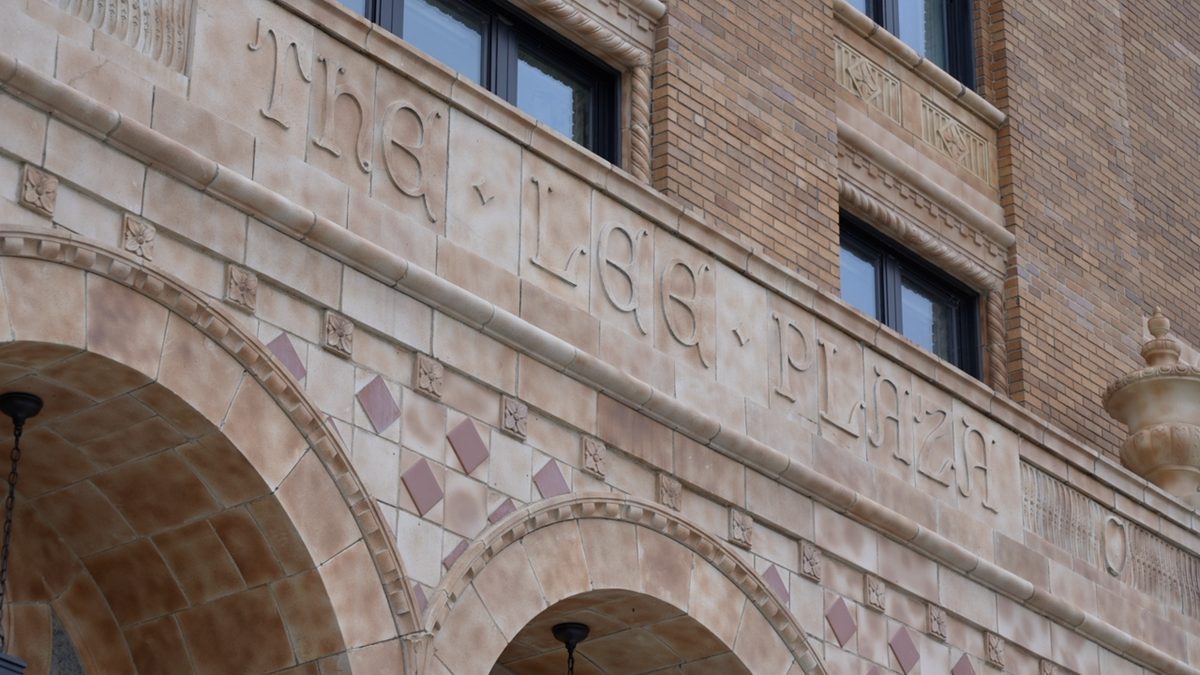
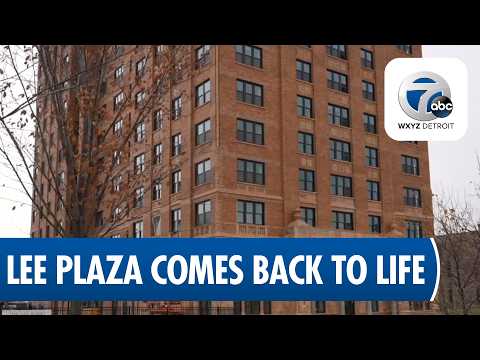
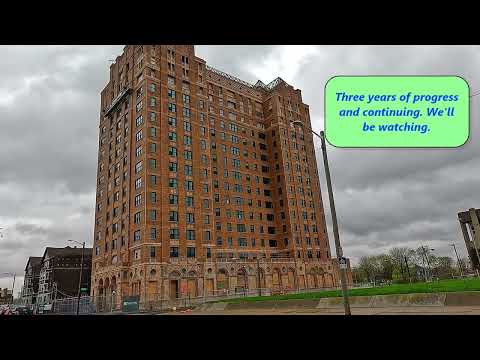
Lee Plaza has stood mostly empty on West Grand Boulevard for nearly 30 years. The 15-story Art Deco building is now nearing completion of its first construction phase, which will create 117 affordable apartments for seniors.

Developers expect a certificate of occupancy by the end of 2026 and first residents in early 2027. The project uses low-income housing tax credits, city and state grants, and private financing, with affordability required for at least 45 years.

Why it matters

The project turns Detroit's last vacant high-rise into long-term affordable housing for seniors, testing whether historic preservation can anchor neighborhood revival.

Last Monday's email for Detroit, MI

Sent Nov 9. It carried:

Get next Monday's: one short email a week. Free. Unsubscribe in one click.

Questions about this story

Free account needed to ask — your question is kept and asked for you right after sign-up. Answers are public.

No questions yet — be the first to ask.

Key Indicators

117
Affordable senior units
First-phase apartments for seniors earning at or below 50% of area median income.
15
Building stories
The Art Deco high-rise opened in 1929 as a luxury residential hotel.
50%
Area median income cap
Maximum income for first-phase senior residents.
30%
Rent-to-income cap
Residents will pay no more than 30% of income in rent.
45
Affordability period (years)
Affordability is guaranteed for at least 45 years.
65
Potential Phase 2 units
A planned second phase could add up to 65 residential units.

Voices

Curated perspectives — historical figures and your fellow readers.

Sign up to generate historical perspectives on this story.

People Involved

Organizations Involved

Timeline

1929 November 2026

3 events Latest: Yesterday
  1. First phase nears completion

    Latest Construction

    WXYZ reports first phase nears completion; occupancy certificate expected by end of 2026.

  2. Building becomes vacant

    History

    Building sits vacant for nearly 30 years, drawing vandalism and theft.

  3. Lee Plaza opens as luxury residential hotel

    History

    Lee Plaza opens as a luxury residential hotel developed by Ralph T. Lee.

Scenarios

1

Lee Plaza opens to senior residents in early 2027

Likely Resolves by Q2 2027

Discussed by: WXYZ and City of Detroit project announcements

Developers expect a certificate of occupancy by the end of 2026 and first residents in early 2027. If inspections and final construction stay on schedule, the first seniors move into the 117-unit building within months.

2

Phase 2 financing secured, adding up to 65 units

Possible Resolves by End of 2028

Discussed by: City of Detroit project announcement

The development team is pursuing financing for a second phase that could add up to 65 residential units on the upper five floors. A closed financing package would trigger construction and expand the project beyond the first 117 senior apartments.

3

Certificate of occupancy slips past 2026 target

Possible Resolves by End of 2026

Discussed by: WXYZ report on expected 2026 certificate of occupancy

The project's schedule depends on final construction and inspections. If the certificate of occupancy is not issued by the end of 2026, first move-ins would slip beyond the developers' early 2027 target.

Historical Context

3 moments from history that rhyme with this story — and how they unfolded.

1929

Lee Plaza opens (1929)

Lee Plaza opened in 1929 as a luxury residential hotel developed by Ralph T. Lee. The 15-story Art Deco building stood on West Grand Boulevard and was described as representing Detroit's highest aspirations 100 years ago.

Then

It opened as luxury housing in a growing Detroit.

Now

The building became a historic landmark on West Grand Boulevard.

Why this matters now

The current project aims to restore the Art Deco building's facade and public spaces while converting it to affordable housing.

1990s-2020s

Lee Plaza vacancy and deterioration (1990s-2020s)

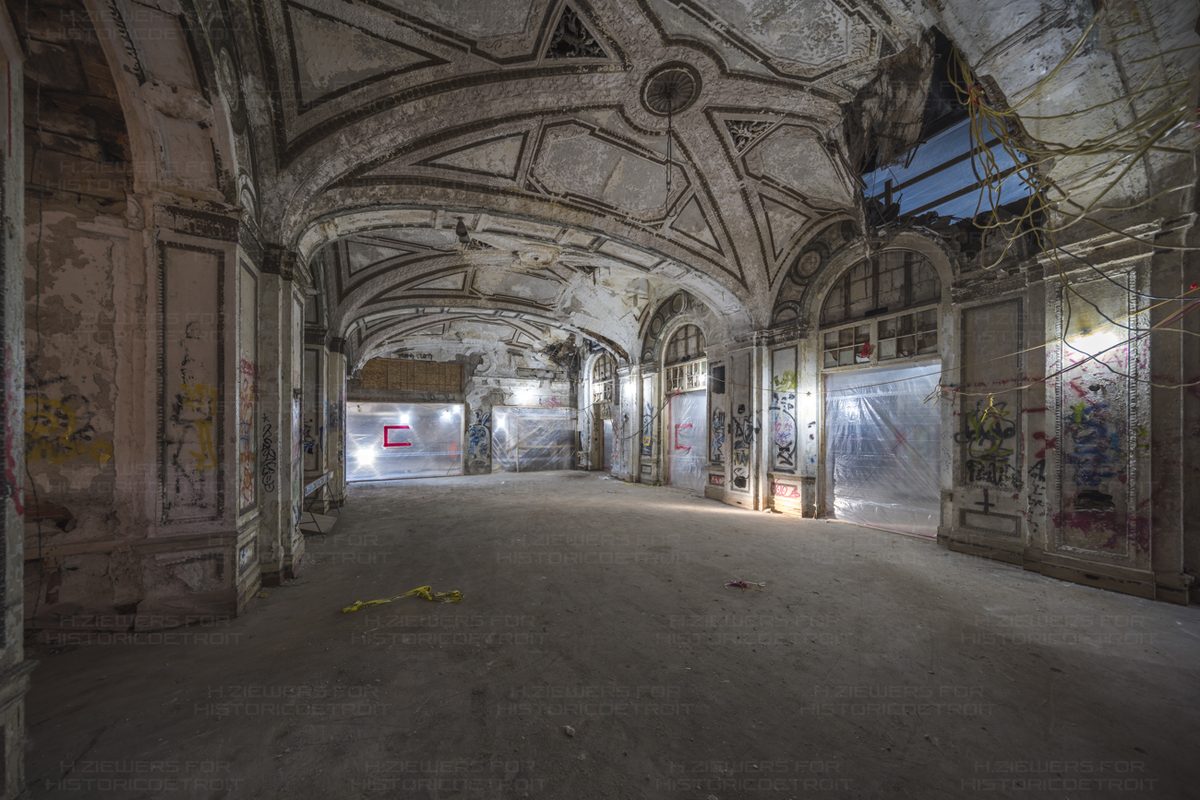
For nearly 30 years before 2026, Lee Plaza sat empty and became a target for vandalism and theft. Its decorative terra cotta lion heads were stolen, and the theft became national news.

Then

The building became Detroit's last vacant high-rise.

Now

It raised blight and safety concerns, especially for students at Northwestern High School next door.

Why this matters now

The restoration addresses long-standing blight and returns a vacant landmark to residential use.

2005-present

Roxbury Group historic rehabs (2005-present)

The Roxbury Group was founded in 2005 and has developed over $300 million in projects, including nearly 800 housing units. Its work includes redevelopment of the David Whitney and Metropolitan Buildings and completion of AC Detroit at the Bonstelle.

Then

The firm built a record of historic preservation and adaptive reuse in Detroit.

Now

It became the lead developer for Lee Plaza's restoration.

Why this matters now

Roxbury's prior historic rehabs give context for its role in converting Lee Plaza into affordable senior housing.

Sources

(2)