


Council seeks options after years of reliability complaints and rate hikes
Today: Detroit City Council votes to explore energy alternativesNew here? Follow stories to track developments over time. Create a free account to get updates when stories you care about change.
Overview
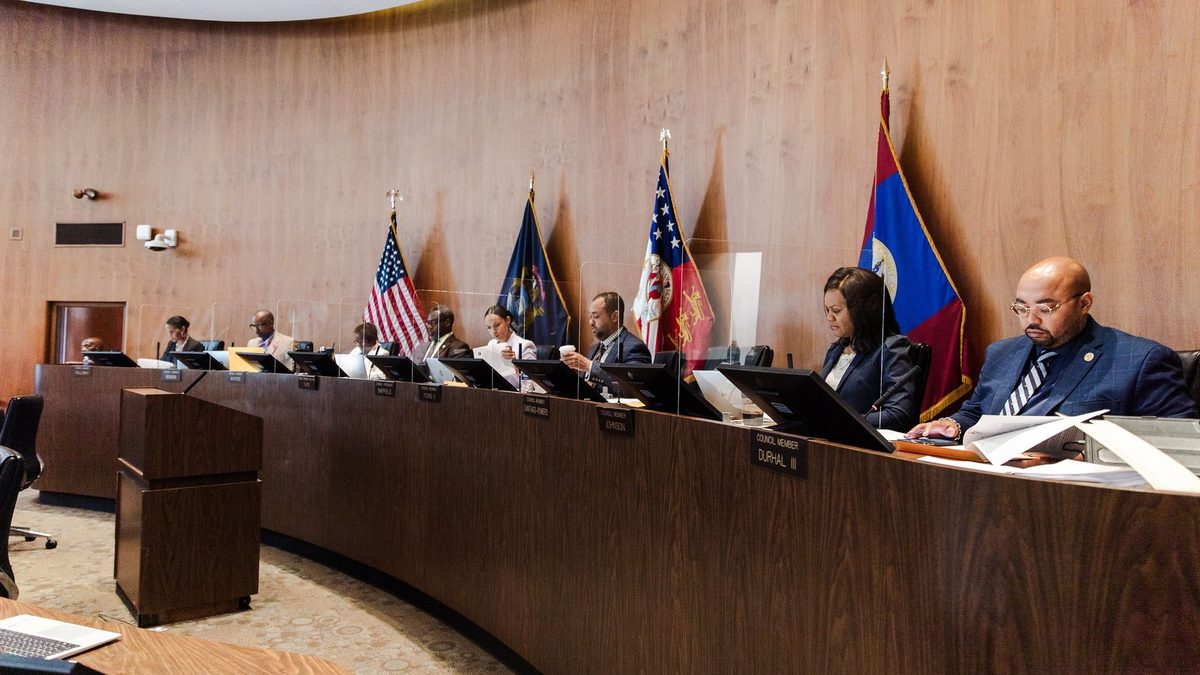
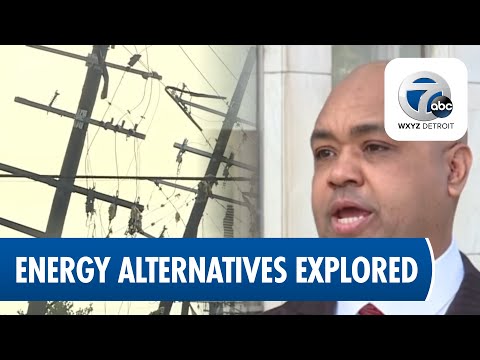
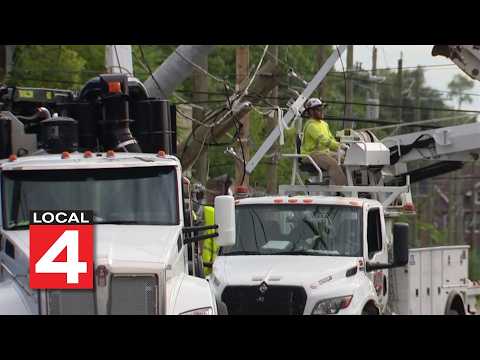
Updated 1 hour agoDetroit's city council voted to explore alternatives to DTE Energy, the utility that has supplied the city's electricity for over a century. The vote follows years of complaints about storm response, outages, and a proposed rate hike that would add about $11 to the average monthly bill.
The council's move is the first step toward a possible municipal utility or community choice aggregation, where the city buys power on behalf of residents. Both options would change who controls Detroit's electricity, but either would take years and face legal and financial hurdles.
Why it matters
If Detroit breaks from DTE, it would be one of the largest US cities to leave an investor-owned utility in decades.
Questions about this story
Free account needed to ask — your question is kept and asked for you right after sign-up. Answers are public.
No questions yet — be the first to ask.
Key Indicators
Voices
Curated perspectives — historical figures and your fellow readers.
Play
Exploring all sides of a story is often best achieved with Play.
Higher or Lower
A number from this story, against one from elsewhere in the news — guess which is bigger, then keep the chain going. 5 rounds, 3 strikes; a miss costs a strike and resets your streak.
Keyboard: ↓/L lower · ↑/H higher
0 points — sign up to put that on the leaderboard.
Connections
Sixteen names from the news. Find the four hidden groups of four. Four mistakes max.
Sign up to keep a daily streak — a new puzzle lands every day.
Exit debate?
Your progress in this debate will be lost.
- 1 Two AI personas square off on this story.
- 2 You predict who'll win each round — correct picks earn XP.
- 3 One crossfire question is yours to fire. Pick it carefully.
Couldn't generate a topic
Select Your Champions
Choose one persona for each side of the debate
DEBATE TOPIC
Choose personas with different perspectives for a more dynamic debate.
Select debater for this side:
No debate personas available right now.
Select debater for this side:
No debate personas available right now.
Who's Got This Round?
Make your prediction before the referee scores
The referee scores both sides on
Round Results
Set the Crossfire
Pick the question both personas must answer in the final round
Debate Oracle! You called every round!
Sharp Instincts! You know your debaters!
The Coin Flip Strategist! Perfectly balanced!
The Contrarian! Bold predictions!
Inverse Genius! Try betting the opposite next time!
XP Breakdown
Prediction History
People Involved
Organizations Involved
Michigan's largest utility, serving 2.2 million electric and 1.3 million gas customers.
Detroit's seven-member legislative body, representing four districts and three at-large seats.
The state agency that regulates Michigan's investor-owned utilities, including DTE.
Timeline
January 1886 September 2026
-
Detroit City Council votes to explore energy alternatives
Today PolicyCouncil votes to study options beyond DTE, including municipal utility or community choice aggregation.
-
DTE files rate increase request
RegulatoryDTE asks the Michigan Public Service Commission for an $11.06 monthly residential increase.
-
Detroit Edison renamed DTE Energy
RebrandingThe company expands beyond utility operations into energy trading and non-utility businesses.
-
Detroit Edison Company formed
ConsolidationTwo competing electric companies merge, consolidating Detroit's power under one utility.
-
Edison Illuminating Company founded
OriginDTE's earliest direct corporate ancestor begins serving Detroit.
Historical Context
3 moments from history that rhyme with this story — and how they unfolded.
Detroit Public Lighting Commission merger (1974)
Detroit operated its own public lighting utility for decades, providing street lighting and some residential power. In 1974, the commission was merged into Detroit Edison, consolidating the city's electricity under a single investor-owned utility.
The merger ended Detroit's public power era, making DTE the sole provider.
Detroit has been served by DTE ever since, with no public power option for over 50 years.
Detroit has a history of public power, and the current exploration is partly about reclaiming that option.
California Community Choice Aggregation (2010-present)
Marin County launched the first community choice aggregation program in 2010, allowing the county to buy electricity on behalf of residents while PG&E maintained the grid. The model spread rapidly across California.
Dozens of CCAs now serve millions of customers across California.
CCAs have become a mainstream alternative to investor-owned utilities, though they've faced challenges with power supply and credit ratings.
Provides a model for Detroit that doesn't require buying DTE's infrastructure, only the right to purchase power.
Boulder, Colorado municipalization (2011-2020)
Boulder voters approved a 2011 ballot measure to create a municipal utility to replace Xcel Energy, driven by climate goals and frustration with the investor-owned utility. The city spent over a decade and more than $20 million on studies and legal battles.
Xcel fought the effort, and the two sides negotiated for years without a final break.
In 2020, Boulder and Xcel settled, ending the municipalization effort in exchange for Xcel's commitment to clean energy goals.
Shows how difficult it is for a city to break from an established utility, even with voter support and significant resources.
