
Pull to refresh
Logo
Michigan funds decarbonization studies at Detroit Zoo, Bell's Brewery

Michigan funds decarbonization studies at Detroit Zoo, Bell's Brewery

Money Moves Detroit, MI local

Nearly $1.9 million will help five organizations map how to cut industrial emissions

Overview

Updated 1 hour ago

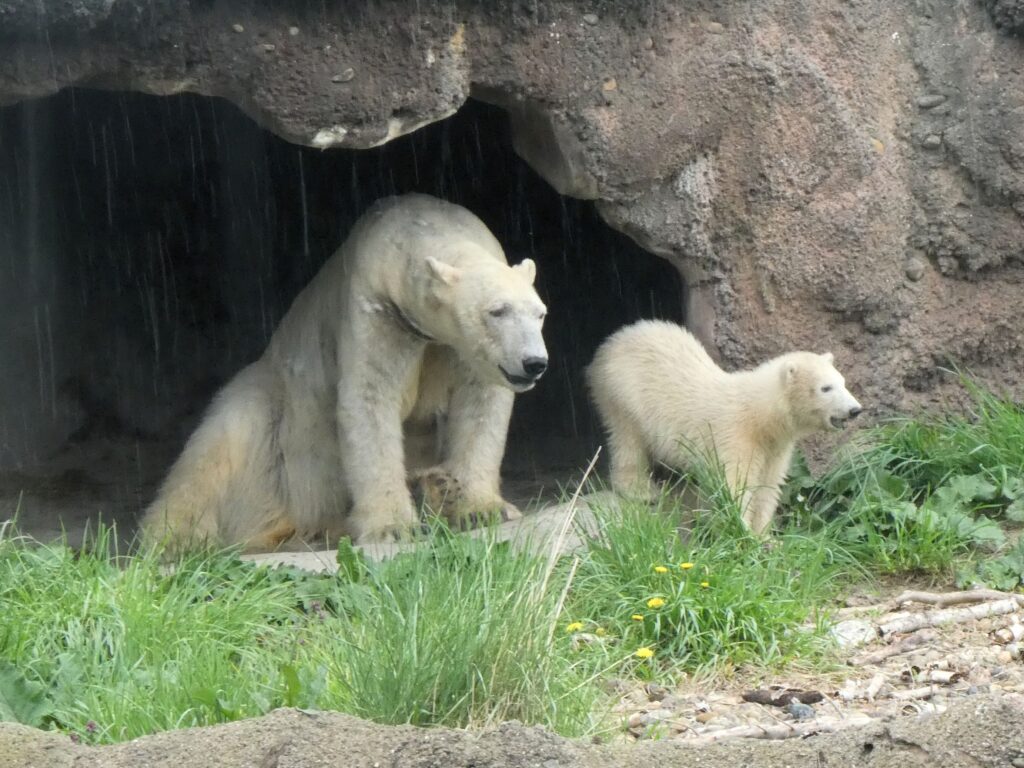
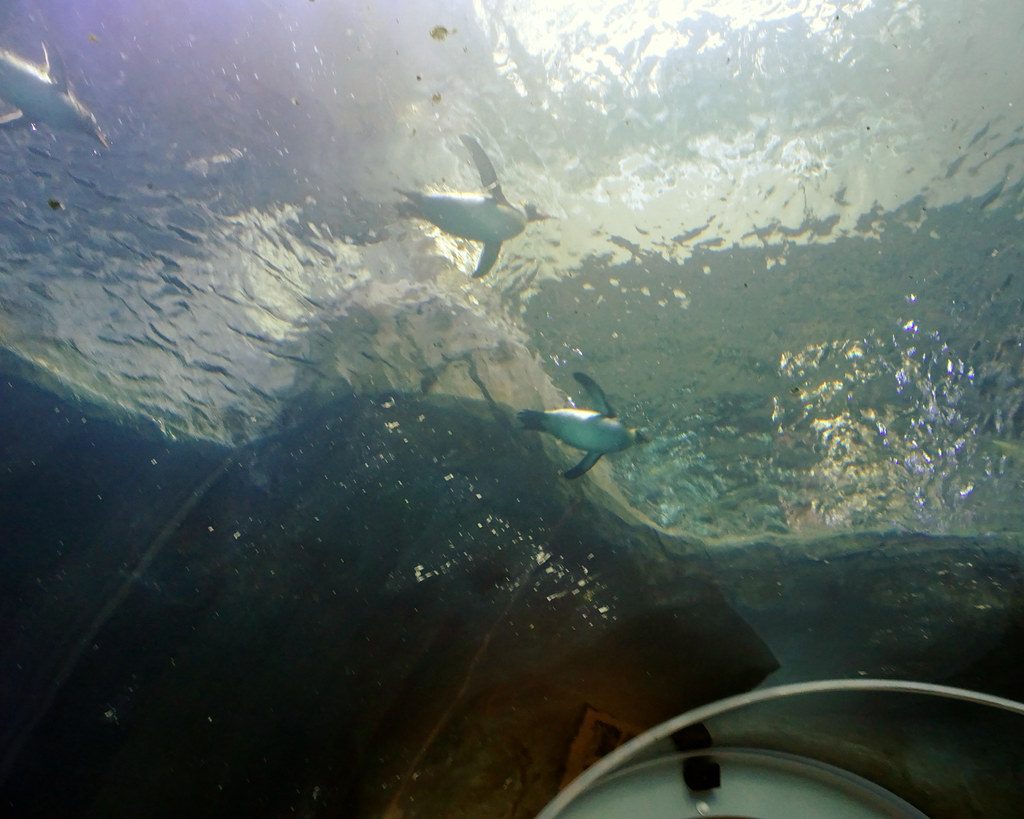
The Detroit Zoo needs industrial-level cooling to keep its polar bears and penguins comfortable. A new $260,000 state grant will help it design heat pumps and geothermal loops to do that with far less energy.

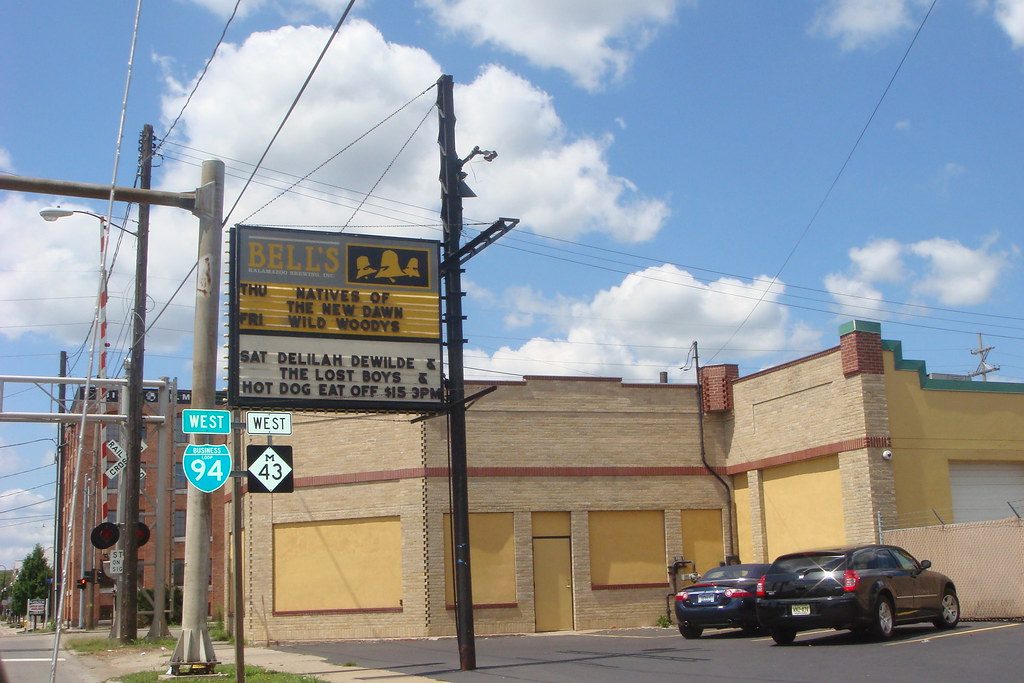
The grant is part of $1.88 million Michigan awarded to five organizations, including Bell's Brewery and Ford's assembly plant, to study how to cut emissions from heavy-duty operations. The findings will inform future state policy and funding.

Why it matters

If these studies find practical ways to cut industrial emissions, Michigan's factories and heavy energy users could follow—and other states may copy the playbook.

Monday: what changed in Detroit, MI

One short email a week with the openings, closings, permits and council votes we covered. Free. Unsubscribe in one click.

Questions about this story

Free account needed to ask — your question is kept and asked for you right after sign-up. Answers are public.

No questions yet — be the first to ask.

Key Indicators

$1.88M
Total grant funding
Michigan awarded $1,882,750 across five organizations.
5
Organizations funded
Recipients include Detroit Zoo, Bell's Brewery, Ford, Michigan Green Building Collaborative, and Michigan Tech.
$260K
Detroit Zoo grant
For a net-zero energy and decarbonization strategy for the zoo campus.
$350K
Bell's Brewery grant
For deep decarbonization evaluation at the Comstock facility.

Voices

Curated perspectives — historical figures and your fellow readers.

Sign up to generate historical perspectives on this story.

People Involved

Organizations Involved

Timeline

December 2015 September 2026

3 events Latest: September 28th, 2026 · 1 month ago
  1. Michigan awards $1.88M in industrial decarbonization grants

    Latest Funding

    EGLE gives grants to Detroit Zoo, Bell's, Ford, and two others; launches MI ICIP partnership.

  2. New Belgium Brewing acquires Bell's Brewery

    Acquisition

    New Belgium takes over the Michigan-based brewer, bringing thermal expertise.

  3. Detroit Zoo becomes first zoo certified for 100% renewable electricity

    Certification

    The zoo purchases wind energy certificates to cover all operations.

Scenarios

1

Facilities adopt decarbonization projects after studies

Possible Resolves by End of 2029

Discussed by: EGLE officials and grant recipients

The feasibility studies produce actionable road maps by August 2027. Within two years, at least two of the five facilities—likely the zoo and Bell's—announce capital investments in heat pumps, geothermal loops, or waste-heat recovery. State support and the new partnership help remove cost barriers.

2

State creates follow-up funding program based on findings

Likely Resolves by End of 2028

Discussed by: EGLE climate office, industry groups

The studies reveal common barriers—engineering complexity and cheap natural gas. Michigan uses the data to launch a larger incentive program or tax credit for industrial decarbonization, potentially modeled on the one-time grants. The legislature or EGLE acts by 2028.

3

Studies reveal barriers, little action follows

Unlikely Resolves by End of 2028

Discussed by: Skeptics of state-funded feasibility studies

The studies conclude that current natural gas prices and capital costs make electrification uneconomical. Facilities file the reports but make no major changes. The partnership stalls and the one-time grants become a one-off experiment.

Historical Context

One moment from history that rhymes with this story — and how it unfolded.

December 2015

Detroit Zoo goes 100% renewable electricity (2015)

The Detroit Zoo became the first U.S. zoo certified by Green-e Marketplace for using 100% renewable wind energy, purchasing nearly 15,000 renewable energy certificates annually.

Then

The zoo eliminated its operational electricity emissions and set a benchmark for zoos nationwide.

Now

It established a track record of sustainability investment that the current grant builds on, moving from clean electricity to tackling industrial heating and cooling.

Why this matters now

The new decarbonization study extends the zoo's decade-old clean energy commitment to the hardest part of its operations: the energy-intensive exhibits and campus buildings.

Sources

(3)