
Pull to refresh
Logo
Trump administration redirects $500M clean steel grant to coal furnace

Trump administration redirects $500M clean steel grant to coal furnace

Money Moves

Cleveland-Cliffs will use Inflation Reduction Act funds to extend a 73-year-old blast furnace's life instead of installing hydrogen-ready steelmaking

Today: Grant obligation and construction deadlines approach

Overview

Updated 1 hour ago

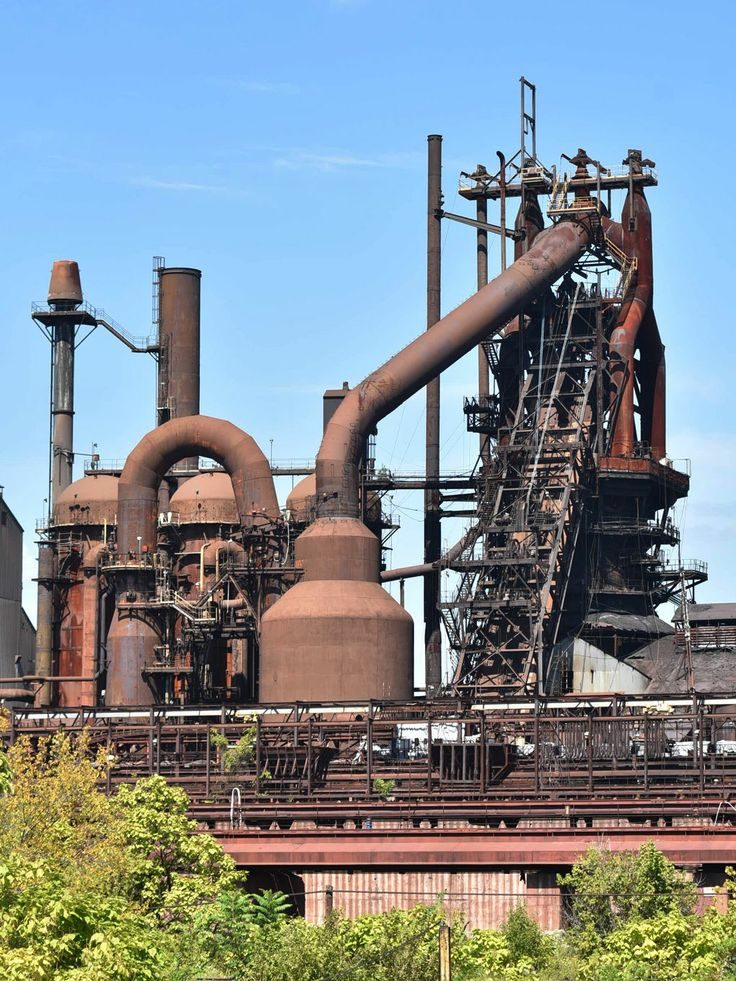
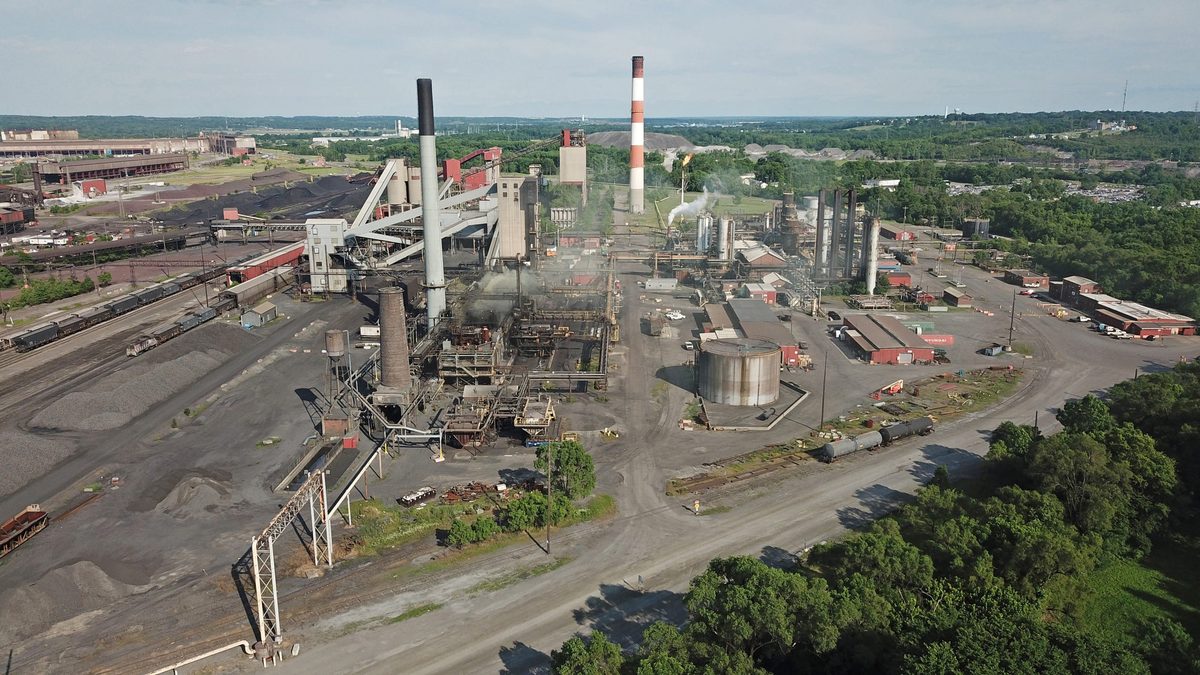
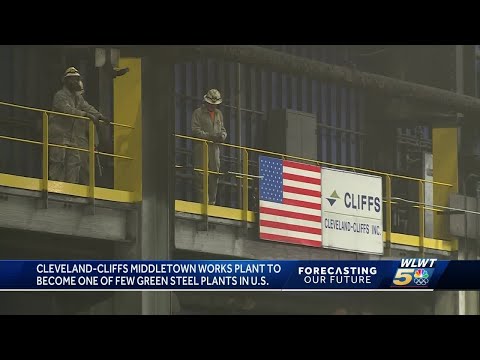
The Department of Energy redirected a $500 million grant for clean steelmaking into an upgrade of a coal-fired blast furnace at Cleveland-Cliffs' Middletown Works in Ohio. The move abandons a hydrogen-ready design that would have cut annual emissions by roughly one million tons.

Cleveland-Cliffs will match the grant with $500 million of its own money. The company plans to refurbish the 73-year-old furnace and add a cogeneration plant that burns waste gas for about 70 megawatts of electricity. The Ohio Environmental Protection Agency's (EPA) draft permit shows the project will add hundreds of tons of pollutants each year.

Why it matters

A grant Congress mandated for greenhouse gas reduction now funds a coal furnace's extended life, testing whether Inflation Reduction Act money can be repurposed.

Questions about this story

Free account needed to ask — your question is kept and asked for you right after sign-up. Answers are public.

No questions yet — be the first to ask.

Key Indicators

$500M
Grant amount redirected
Originally awarded for hydrogen-ready steel technology, now funding the coal furnace upgrade.
1M tons/yr
Annual emissions reductions lost
The original plan would have eliminated roughly one million tons of greenhouse gas emissions per year.
20 years
Extended furnace operating life
The refurbished No. 3 blast furnace would run for up to two additional decades.
70 MW
Cogeneration plant capacity
Waste gas from the furnace will generate about 70 megawatts of net electricity for the steel mill.
~1,000 tons/yr
Added criteria pollutants
Ohio EPA draft permit projects 534 tons more sulfur dioxide, 334 tons more carbon monoxide, and 179 tons more nitrogen oxides annually.

Voices

Curated perspectives — historical figures and your fellow readers.

Ever wondered what historical figures would say about today's headlines?

Sign up to generate historical perspectives on this story.

People Involved

Organizations Involved

Timeline

August 2022 September 2026

7 events Latest: Today
Tap a bar to jump to that date
  1. Grant obligation and construction deadlines approach

    Today Deadline

    Construction is scheduled to begin September 29 at Middletown Works. The Inflation Reduction Act grant money must be obligated by September 30.

  2. DOE and Cliffs announce redirected grant scope

    Announcement

    Department of Energy formally approves using the $500 million for furnace refurbishment and cogeneration. Vance and Wright visit the plant to tout the investment.

  3. Goncalves signals grant redirection

    Statement

    Cliffs CEO says company aims to redirect the $500 million grant to align with Trump administration priorities.

  4. Ohio EPA issues draft air permit

    Regulatory

    Draft permit shows the project will add 534 tons of sulfur dioxide, 334 tons of carbon monoxide, and 179 tons of nitrogen oxides annually.

  5. New furnace plan revealed in air permit filing

    Permit Application

    Cleveland-Cliffs submits an Ohio air permit application proposing to refurbish the No. 3 blast furnace and add waste-gas cogeneration instead of hydrogen technology.

  6. Cleveland-Cliffs selected for $500M grant

    Award

    DOE selects the steelmaker for up to $500 million to install hydrogen-ready technology at Middletown Works, potentially eliminating one million tons of annual emissions.

  7. Inflation Reduction Act becomes law

    Legislation

    The law creates the $6.3 billion Industrial Demonstrations Program to fund advanced industrial technology aimed at net-zero emissions.

Scenarios

1

Middletown coal furnace upgrade completed on schedule

Likely Resolves by End of 2027

Discussed by: Department of Energy, Cleveland-Cliffs leadership

Construction begins September 29 as planned, the $500 million grant is obligated by September 30, and the furnace refurbishment and cogeneration plant are built over the next several years. The project extends the No. 3 furnace's operating life through the 2040s.

2

Legal challenge forces re-scoping or clawback of the grant

Possible Resolves by Q2 2027

Discussed by: Former DOE officials, environmental advocacy groups

A lawsuit argues the redirected grant violates the Inflation Reduction Act's mandate that funds support 'advanced industrial technology' designed to accelerate net-zero emissions. A federal court orders the DOE to revise the grant scope or reclaim funds.

3

GAO audit or congressional action restricts similar redirections

Possible Resolves by Q1 2027

Discussed by: Democratic members of Congress, Government Accountability Office (GAO)

The GAO opens an inquiry into whether the DOE has authority to change grant scope after award. Congress includes language in appropriations bills barring similar redirections of Industrial Demonstrations Program funds, or holds hearings that pressure the department to justify the decision.

Historical Context

3 moments from history that rhyme with this story — and how they unfolded.

2008 - 2021

Keystone XL pipeline (2008-2021)

TransCanada's proposal to build a pipeline from Alberta to Nebraska was approved by the Bush administration in 2008, rejected by Obama in 2015, approved by Trump in 2017, and revoked by Biden in 2021. TC Energy canceled the project that year.

Then

Each reversal triggered lawsuits from the opposing side, extending the political fight for over a decade.

Now

The project ultimately collapsed under the weight of the back-and-forth, never carrying a barrel of oil.

Why this matters now

Shows how major energy projects can become political footballs across administrations, with the reversals themselves defining the story.

September 2009 - September 2011

Solyndra loan guarantee (2009-2011)

The Department of Energy guaranteed $535 million in loans to Solyndra, a California solar panel maker, in September 2009. The company filed for bankruptcy two years later, laying off roughly 1,100 workers. The FBI raided its offices the same week.

Then

Congressional hearings scrutinized the DOE's clean energy lending; the agency tightened its loan review process.

Now

Solyndra became shorthand for critics of government clean energy spending, shaping the political debate around DOE grants for years.

Why this matters now

Shows how a single DOE clean energy grant or loan can become a partisan flashpoint, with implications that outlast the project itself.

August 2015 - June 2019

Clean Power Plan (2015-2019)

The EPA under President Obama finalized rules requiring power plants to cut carbon dioxide emissions 32% below 2005 levels by 2030. The Trump administration repealed the rule in 2019, replacing it with the far weaker Affordable Clean Energy rule.

Then

Legal challenges and state pushback delayed implementation even before the repeal.

Now

The Supreme Court later limited EPA authority over power plant emissions in West Virginia v. EPA (2022).

Why this matters now

Demonstrates the pattern of one administration reversing its predecessor's climate policy through executive authority.

Sources

(9)