
Pull to refresh
Logo
Michigan commits $89 million to restore Detroit and Kalamazoo rivers

Michigan commits $89 million to restore Detroit and Kalamazoo rivers

Money Moves Detroit, MI local

Settlement-funded Reclaim the Rivers initiative targets PCB contamination on two Great Lakes waterways

Yesterday: Michigan launches $89M Reclaim the Rivers initiative

Overview

Updated 1 hour ago

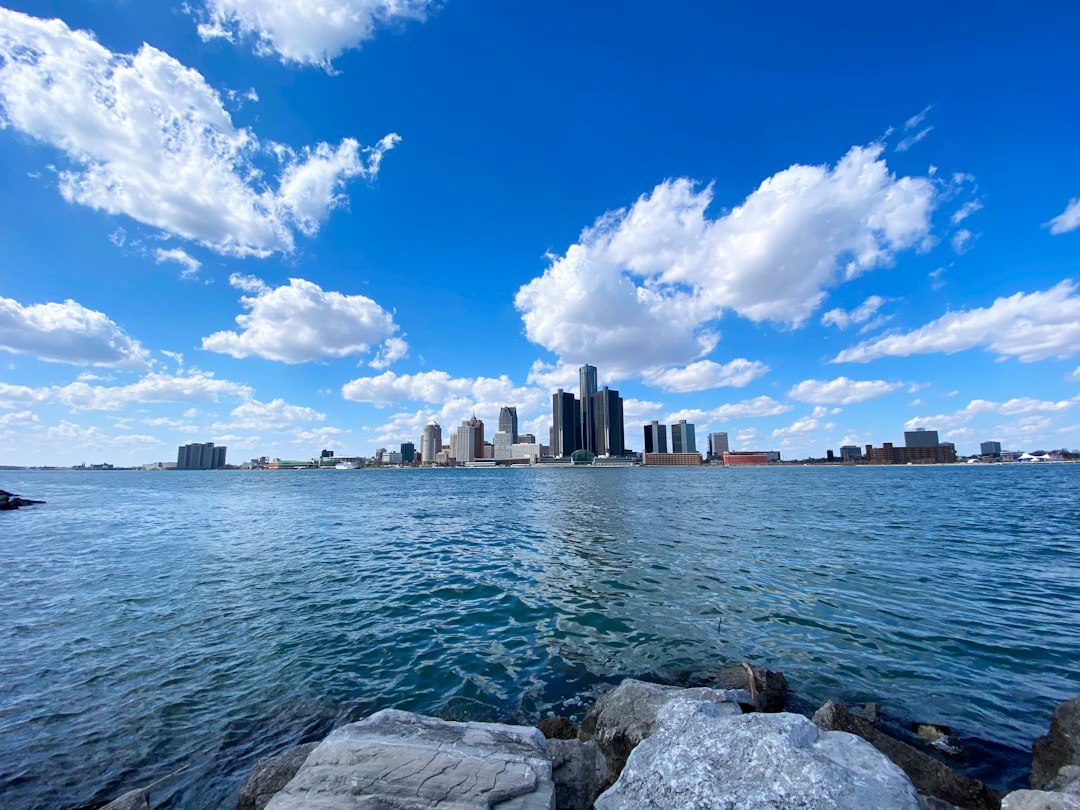
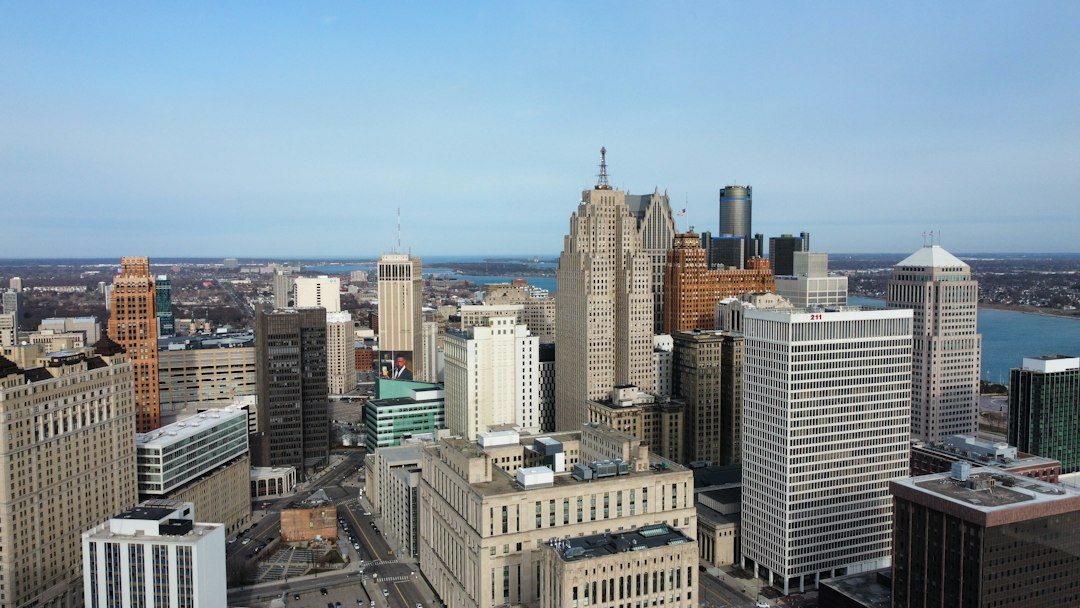
Michigan will spend $89 million from pollution settlements to strip decades of industrial contamination from the Detroit and Kalamazoo rivers. Governor Gretchen Whitmer announced the Reclaim the Rivers initiative Thursday at Belle Isle, with money targeting PCB-heavy sediment and damaged wildlife habitat.

About $50 million funds Detroit River PCB removal, $25 million goes to Kalamazoo River restoration via the Morrow Dam settlement, and $14 million backs other statewide river projects. EGLE and the DNR will run the program, aiming for transformational change by 2040.

Why it matters

If successful, two major Great Lakes rivers could see lifted fish advisories, new riverfront development, and delisting from federal contaminated-sites oversight.

Questions about this story

Free account needed to ask — your question is kept and asked for you right after sign-up. Answers are public.

No questions yet — be the first to ask.

Key Indicators

$89M
Total committed funding
Combined settlement money for Detroit and Kalamazoo river restoration.
$50M
Detroit River PCB allocation
Targets toxic sediment along the Detroit River.
$25M
Kalamazoo River restoration
Funds dam removals and stream restorations in the watershed.
2040
Target completion year
Goal for transformational change on both rivers.

Voices

Curated perspectives — historical figures and your fellow readers.

Ever wondered what historical figures would say about today's headlines?

Sign up to generate historical perspectives on this story.

People Involved

Organizations Involved

Timeline

1 event Latest: Yesterday
  1. Michigan launches $89M Reclaim the Rivers initiative

    Latest Announcement

    Governor Whitmer, EGLE, and DNR announce the settlement-funded cleanup of Detroit and Kalamazoo rivers at Belle Isle, aiming for completion by 2040.

Scenarios

1

Detroit River cleanup contracts awarded within a year

Likely Resolves by Oct 1, 2027

Discussed by: EGLE officials and state legislators

EGLE assembles joint project teams for both rivers in the coming months and begins procurement for Detroit River PCB sediment removal. A contract award within the first year would signal the state's $50 million allocation is moving toward physical cleanup. Early progress would also strengthen EGLE's case when seeking additional federal matching funds.

2

Kalamazoo River dam removal breaks ground

Possible Resolves by Apr 1, 2028

Discussed by: Kalamazoo River stakeholders, environmental groups

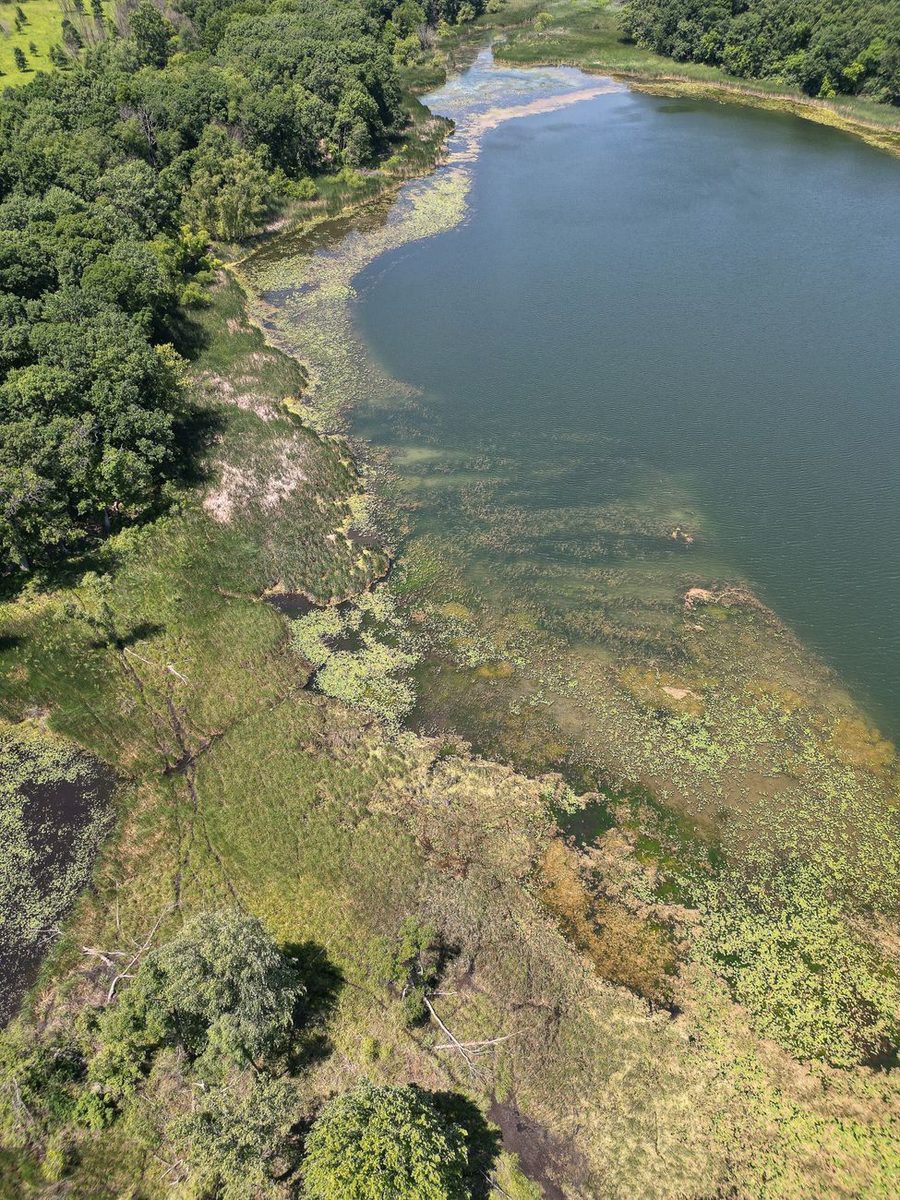
The $25 million from the Morrow Dam settlement funds dam removals and stream restorations in Allegan, Otsego, Plainwell, Swan Creek, and Trowbridge within the Kalamazoo watershed. These projects require environmental permits and engineering, so ground-breaking within 18 months would show the money is clearing the planning phase. Delays would indicate the familiar pattern of cleanup programs getting bogged down in permitting.

3

Leverage fund secures $200M in matching commitments

Possible Resolves by Oct 1, 2029

Discussed by: State budget analysts, federal EPA partners

The $50 million Detroit River allocation is designed to act as match money, securing hundreds of millions in federal, local, and private funding. If EGLE reaches $200 million or more in new commitments within three years, the program could expand beyond initial cleanup targets. If the matching strategy falls short, the state will need to decide whether to extend the timeline or reduce scope.

Historical Context

3 moments from history that rhyme with this story — and how they unfolded.

1990

Kalamazoo River Superfund listing (1990)

The Kalamazoo River was added to the EPA's Superfund list for PCB contamination from paper mills that used PCB-laden carbonless copy paper in the mid-20th century. The contamination spans a wide stretch of the river and adjacent floodplains.

Then

EPA began studying cleanup options; multiple phases of sediment removal have been conducted since.

Now

The site remains on the National Priorities List, with ongoing work. The new state funding injects settlement money into the same watershed.

Why this matters now

The $25 million in Morrow Dam settlement funds directly targets the same PCB contamination that put the Kalamazoo River on the Superfund list 36 years ago.

2009-2016

Hudson River PCB dredging (2009-2016)

General Electric spent more than $1 billion removing PCB-contaminated sediment from a 40-mile stretch of the Hudson River in New York. The dredging was done in phases over six years, the largest cleanup of its kind in U.S. history.

Then

GE removed roughly 3 million cubic yards of contaminated sediment; the EPA declared dredging complete in 2016.

Now

Fish PCB levels remain elevated in parts of the river, but the ecosystem has shown signs of recovery and recreation has increased.

Why this matters now

The Detroit River cleanup faces a similar scale of PCB contamination and will need comparable patience, funding, and sustained public support.

1987

Detroit River Area of Concern (1987)

The Detroit River was named one of 43 Great Lakes Areas of Concern under the U.S.-Canada Great Lakes Water Quality Agreement, a binational effort to address historical pollution hotspots.

Then

The designation triggered cleanup and restoration plans by state, federal, and local agencies.

Now

Nearly 40 years later, the river remains listed, with toxic sediment identified as a key impairment.

Why this matters now

The new Reclaim the Rivers funding targets the remaining toxic sediment, with the ultimate goal of removing the river from the Areas of Concern list.

Sources

(4)

More from Detroit, MI

Openings, permits and council decisions in Detroit, MI, in your inbox every Monday.