Pull to refresh
Logo
Daily Brief
Following
Why Ranks Sign Up
AST SpaceMobile races to build a phone network in space

AST SpaceMobile races to build a phone network in space

New Capabilities

A Texas company is launching satellites that beam cellular signal straight to ordinary smartphones, with regulators clearing a 248-satellite constellation

Today: Three largest direct-to-cell satellites launch

Overview

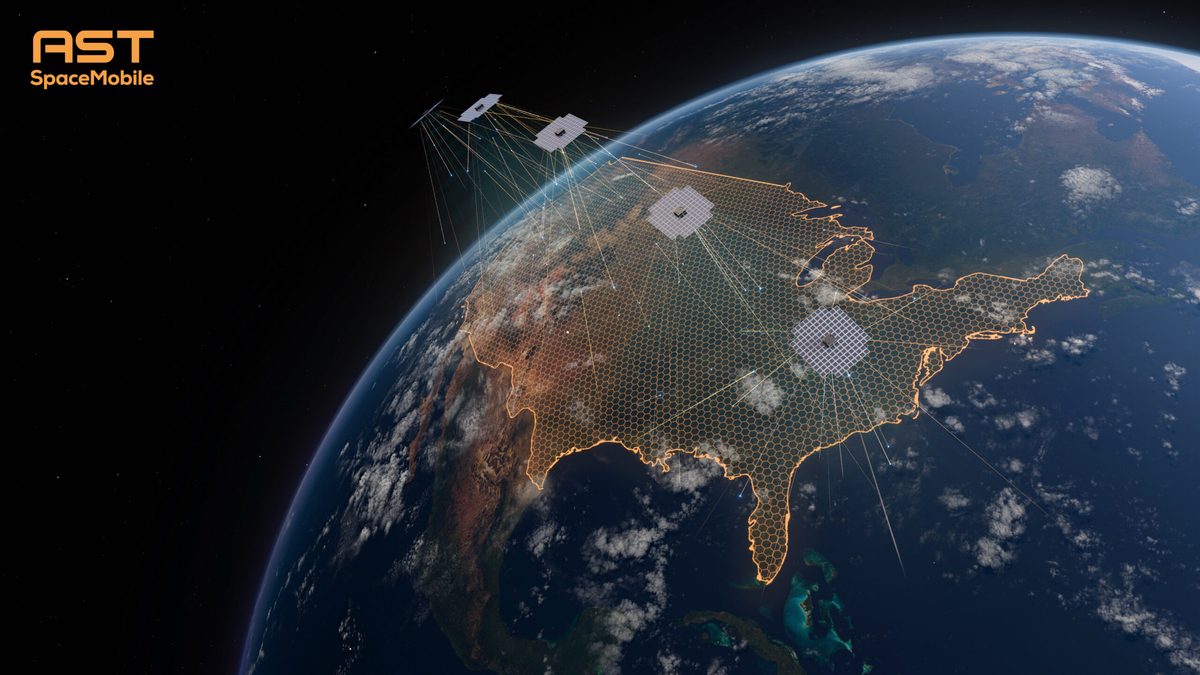
Your phone needs a cell tower to work. AST SpaceMobile is trying to replace that tower with a satellite the size of a tennis court. On June 17, 2026, a SpaceX Falcon 9 carried three of them to orbit from Cape Canaveral.

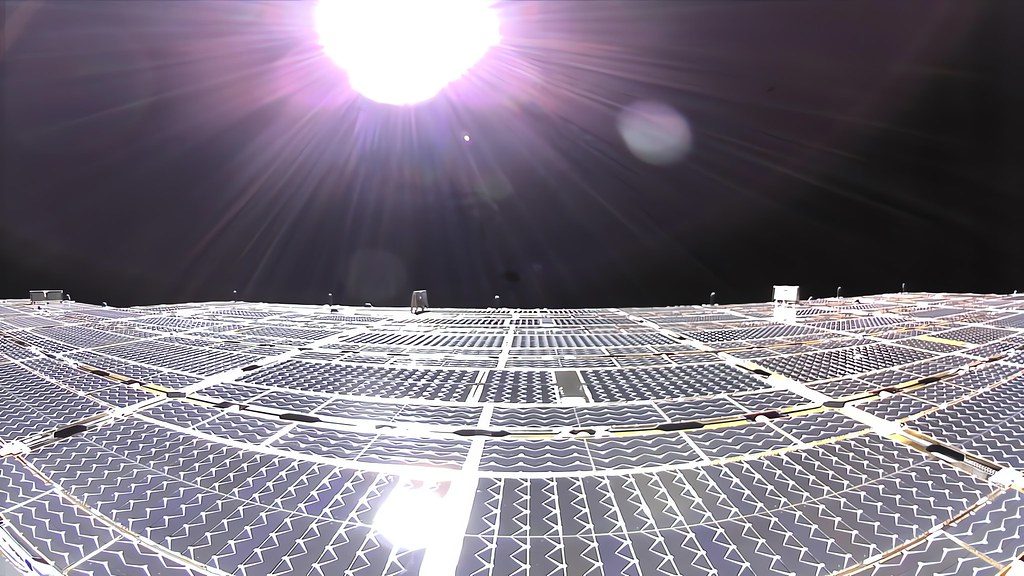
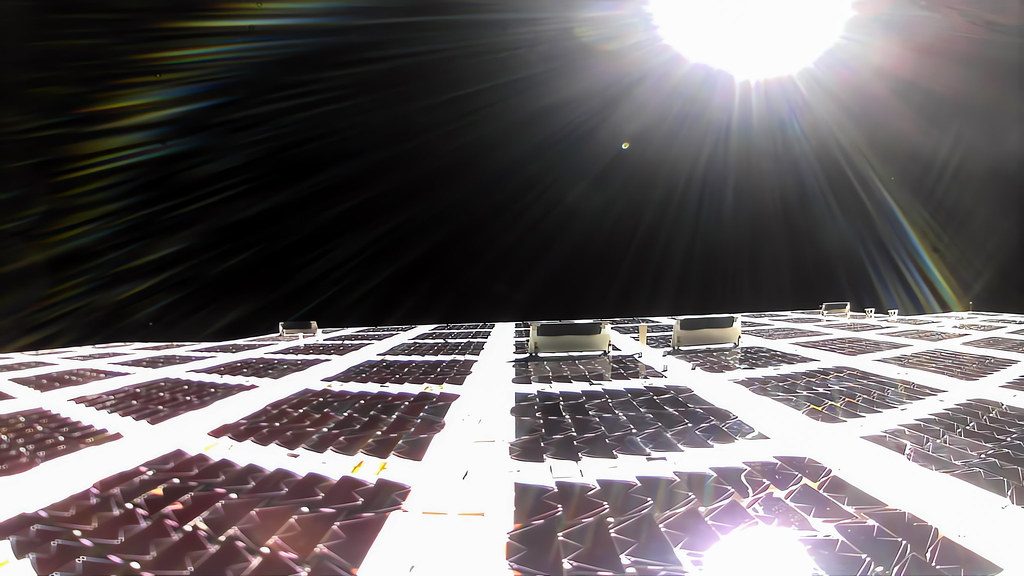
The three spacecraft, named BlueBird 8, 9, and 10, are the largest commercial communications arrays ever flown, each about 2,400 square feet. They beam voice, data, and video to standard, unmodified phones. If the full network works, a hiker in a canyon or a driver in the desert could get a signal with the phone already in their pocket.

Why it matters

A working space network would give an ordinary phone a signal anywhere, no tower or special hardware needed, turning dead zones into coverage.

Questions about this story

No questions yet — be the first to ask.

Key Indicators

248
Satellites cleared
The full constellation the Federal Communications Commission authorized in April 2026.
3
Satellites this launch
BlueBird 8, 9, and 10 rode a single Falcon 9 to orbit.
2,400 sq ft
Array size each
Roughly triple the antenna area of the company's first BlueBird satellites.
45-60
Needed for US coverage
Satellites the company says it needs operational by end of 2026 for continuous nationwide service.

Voices

Curated perspectives — historical figures and your fellow readers.

Ever wondered what historical figures would say about today's headlines?

Sign up to generate historical perspectives on this story.

Play

Exploring all sides of a story is often best achieved with Play.

Log in to play. Track your picks, climb the leaderboards. Log in Sign Up
Predict 3 ways this could play out. Contrarian picks score more — points lock when the scenario resolves. Log in to play
Higher or Lower Two numbers from this story. Guess which is bigger. 5 rounds to set a streak. Log in to play
Timeline Five events from this story — drag them oldest to newest. Log in to play
Connections Sixteen names from the news. Find the four hidden groups of four. Log in to play

People Involved

Organizations Involved

Timeline

January 2017 June 2026

6 events Latest: Today
Tap a bar to jump to that date
  1. Three largest direct-to-cell satellites launch

    Today Launch

    A Falcon 9 carries BlueBird 8, 9, and 10 from Cape Canaveral. Each array is about 2,400 square feet, with nearly double the performance of earlier satellites.

  2. FCC clears the full constellation

    Regulatory

    Regulators authorize AST's 248-satellite network and grant a major commercial approval for direct-to-cell service with AT&T, Verizon, and FirstNet.

  3. Blue Origin strands BlueBird 7 in the wrong orbit

    Setback

    A New Glenn upper-stage engine underperforms, leaving the satellite too low to operate. It will reenter and is a total loss, covered by insurance.

  4. First five BlueBird satellites launch

    Launch

    A Falcon 9 lifts BlueBird 1 through 5, each with a 693-square-foot array, beginning the commercial constellation.

  5. BlueWalker 3 test satellite reaches orbit

    Milestone

    The prototype unfurls a large antenna array and later completes the first space-to-phone calls and broadband tests.

  6. AST SpaceMobile founded

    Origin

    Abel Avellan starts the company to connect standard phones directly to satellites, a feat most engineers doubted.

Historical Context

3 moments from history that rhyme with this story — and how they unfolded.

1998-1999

Iridium's launch and bankruptcy (1998-1999)

Motorola-backed Iridium launched 66 satellites to offer global satellite phones. The network worked, but the handsets were bulky and calls cost several dollars a minute. Customers stayed away.

Then

Iridium filed for bankruptcy in 1999, about nine months after service began, with debts near $4 billion.

Now

Investors bought the network for a fraction of its cost. Iridium survived and still operates today under new owners.

Why this matters now

Iridium proved that building the satellites is the easy part. The hard part is signing up enough paying customers to cover enormous upfront costs, the same test AST now faces.

1994-2002

Teledesic's collapse (1990s-2002)

Backed by Bill Gates and Craig McCaw, Teledesic planned hundreds of satellites for an 'Internet in the sky.' It raised billions in pledges and ambition but kept shrinking its plans.

Then

The company stopped its satellite work in 2002 without launching an operational network.

Now

It became a cautionary tale about overpromising on large low-orbit constellations before the technology and economics were ready.

Why this matters now

Teledesic shows how a well-funded constellation can still fail if costs and launch schedules outrun revenue. AST's larger, fewer-satellite design is a bet on avoiding that trap.

1999-2002

Globalstar's first generation (1999-2002)

Globalstar launched a satellite-phone constellation around the same time as Iridium. It signed up far fewer subscribers than projected and carried heavy debt.

Then

Globalstar filed for bankruptcy in 2002 and restructured.

Now

The company endured and later won a role supplying satellite connectivity, including work tied to Apple's emergency-messaging feature.

Why this matters now

Globalstar's revival shows a path AST partners hope to follow: surviving early losses long enough to ride the new demand for phone-to-satellite links.

Sources

(7)