
SiriusXM replaces its aging radio satellites in orbit
Built WorldSpaceX lofts the 7.5-ton SXM-11, the latest swap in a fleet that beams audio to tens of millions of subscribers
June 28th, 2026: SpaceX launches SXM-11New here? Follow stories to track developments over time. Create a free account to get updates when stories you care about change.
Overview
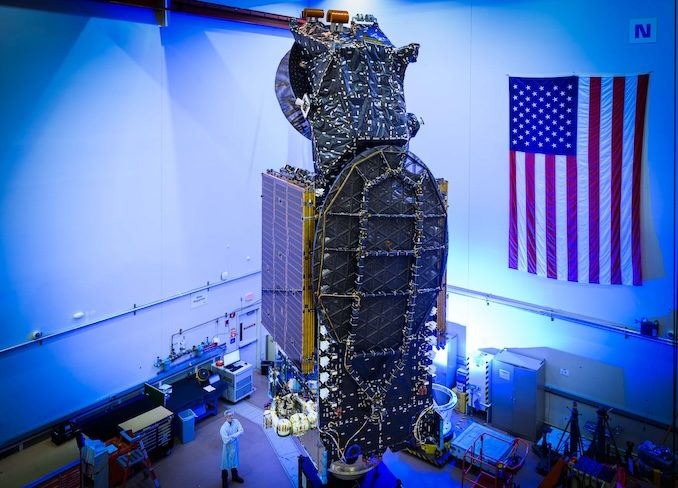
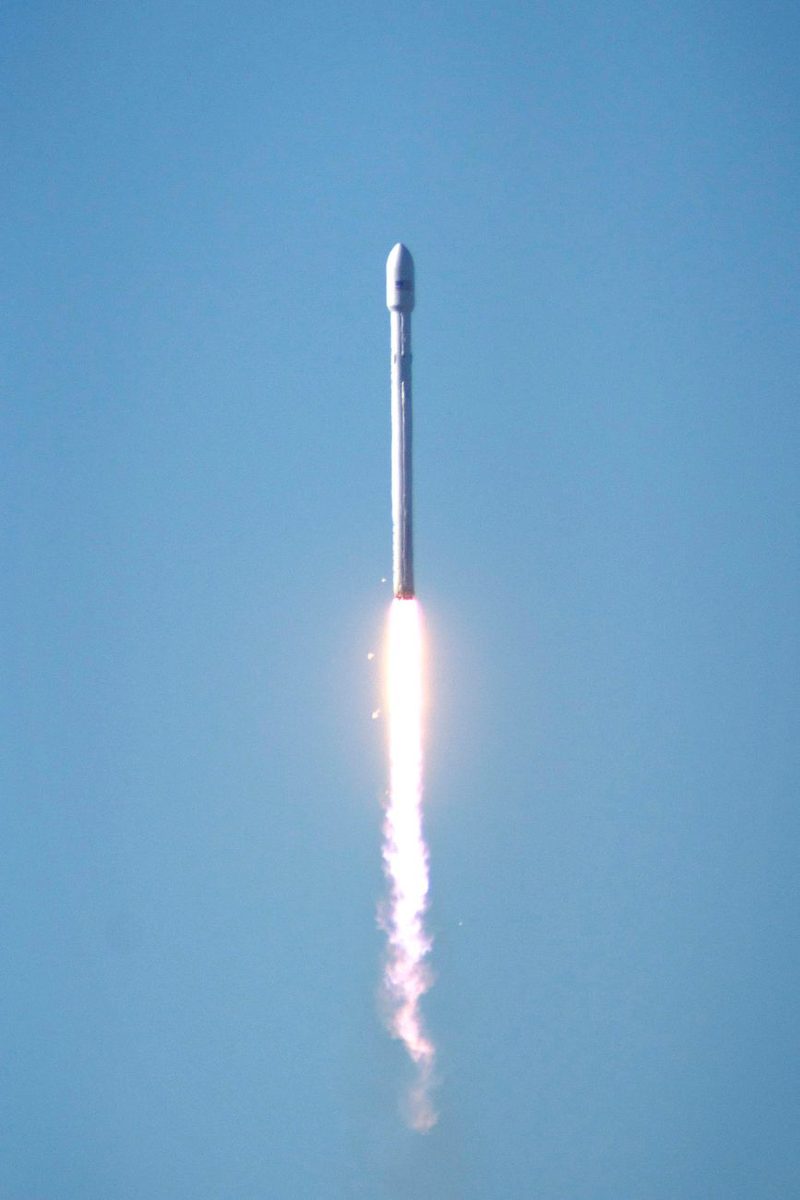
Updated Jun 28Tens of millions of people get SiriusXM through satellites, not cell towers. On the night of June 28, a SpaceX Falcon 9 carried up a 7.5-ton replacement for hardware that has been beaming radio since 2009.
The old satellites won't last forever. SXM-11, with a twin called SXM-12 still to come, keeps the signal alive for about 33 million subscribers and pushes coverage farther into Alaska.
Why it matters
If the orbital hardware ages out before replacements arrive, the radio in millions of cars and homes loses its signal.
Questions about this story
Free account needed to ask — your question is kept and asked for you right after sign-up. Answers are public.
No questions yet — be the first to ask.
Key Indicators
Voices
Curated perspectives — historical figures and your fellow readers.
Play
Exploring all sides of a story is often best achieved with Play.
Higher or Lower
A number from this story, against one from elsewhere in the news — guess which is bigger, then keep the chain going. 5 rounds, 3 strikes; a miss costs a strike and resets your streak.
Keyboard: ↓/L lower · ↑/H higher
0 points — sign up to put that on the leaderboard.
Connections
Sixteen names from the news. Find the four hidden groups of four. Four mistakes max.
Sign up to keep a daily streak — a new puzzle lands every day.
Exit debate?
Your progress in this debate will be lost.
- 1 Two AI personas square off on this story.
- 2 You predict who'll win each round — correct picks earn XP.
- 3 One crossfire question is yours to fire. Pick it carefully.
Couldn't generate a topic
Select Your Champions
Choose one persona for each side of the debate
DEBATE TOPIC
Choose personas with different perspectives for a more dynamic debate.
Select debater for this side:
No debate personas available right now.
Select debater for this side:
No debate personas available right now.
Who's Got This Round?
Make your prediction before the referee scores
The referee scores both sides on
Round Results
Set the Crossfire
Pick the question both personas must answer in the final round
Debate Oracle! You called every round!
Sharp Instincts! You know your debaters!
The Coin Flip Strategist! Perfectly balanced!
The Contrarian! Bold predictions!
Inverse Genius! Try betting the opposite next time!
XP Breakdown
Prediction History
People Involved
Organizations Involved
SiriusXM broadcasts radio to about 33 million subscribers across the U.S., Canada, and the Caribbean using satellites in geostationary orbit.
SpaceX flew SXM-11 to orbit on a Falcon 9 and landed the reused first stage on an Atlantic drone ship.
Lanteris, formerly Maxar Space Systems, built SXM-11 on its IM-1300 platform before being acquired by Intuitive Machines.
Timeline
June 2009 June 2026
-
SpaceX launches SXM-11
Latest LaunchA Falcon 9 lifts the 7.5-ton satellite from Cape Canaveral toward geostationary transfer orbit. The booster lands on a drone ship.
-
Intuitive Machines closes the Lanteris deal
CorporateThe acquisition completes, renaming the unit Lanteris Space Systems, paid in $450M cash and $350M stock.
-
Intuitive Machines agrees to buy Maxar's satellite unit
CorporateThe $800 million deal puts the maker of SiriusXM's satellites under new ownership.
-
SXM-10 launches
LaunchAn earlier satellite in the refresh flies on a Falcon 9, later entering service in August.
-
SiriusXM orders SXM-11 and SXM-12
ContractSiriusXM commissions Maxar to build two satellites to refresh the fleet and extend coverage into Alaska and Canada.
-
XM-5 launches
LaunchThe second of the aging pair that SXM-11 and SXM-12 will replace goes up.
-
Sirius FM-5 launches
LaunchOne of the satellites now slated for replacement reaches orbit.
Historical Context
3 moments from history that rhyme with this story — and how they unfolded.
Sirius and XM merger (2008)
The two rival U.S. satellite radio companies, Sirius and XM, merged after a long regulatory review. The deal created a single operator running two separate satellite networks.
The combined company avoided a price war and consolidated subscribers under one brand.
SiriusXM inherited two fleets that now age on different schedules, which is why replacements like SXM-11 carry both XM and Sirius lineage.
The merger explains the odd satellite naming and why one company must keep two legacy networks alive at once.
Iridium NEXT constellation refresh (2017–2019)
Iridium replaced its entire 66-satellite phone and data network with new spacecraft, flying them on reused SpaceX Falcon 9 rockets across eight launches.
Iridium swapped in modern satellites without dropping service to users.
It became a template for refreshing aging orbital infrastructure on cheaper, reusable rockets.
SiriusXM is running the same play at smaller scale: replace aging satellites one by one on reused Falcon 9s while keeping the signal on.
SXM-7 in-orbit failure (2021)
SiriusXM launched SXM-7, a satellite from the same builder, in December 2020. During in-orbit testing in early 2021, its payload failed. SiriusXM declared it a total loss and filed an insurance claim.
SiriusXM wrote off the satellite and kept older spacecraft in service longer.
The loss forced an extra replacement satellite and showed that a launch is only half the job; the hardware must still survive testing.
SXM-11 faces the same gauntlet now. Reaching orbit is not the finish line; weeks of checks decide whether it works.
