


Pull to refresh
Logo
Daily Brief
Following
Why Ranks Sign Up
DOE keeps PJM fossil plants online with emergency orders

DOE keeps PJM fossil plants online with emergency orders

Rule Changes

Section 202(c) of the Federal Power Act, once a wartime authority, has become a routine grid-management tool

2 days ago: Wright orders Wagner 4 to run through August 19

Overview

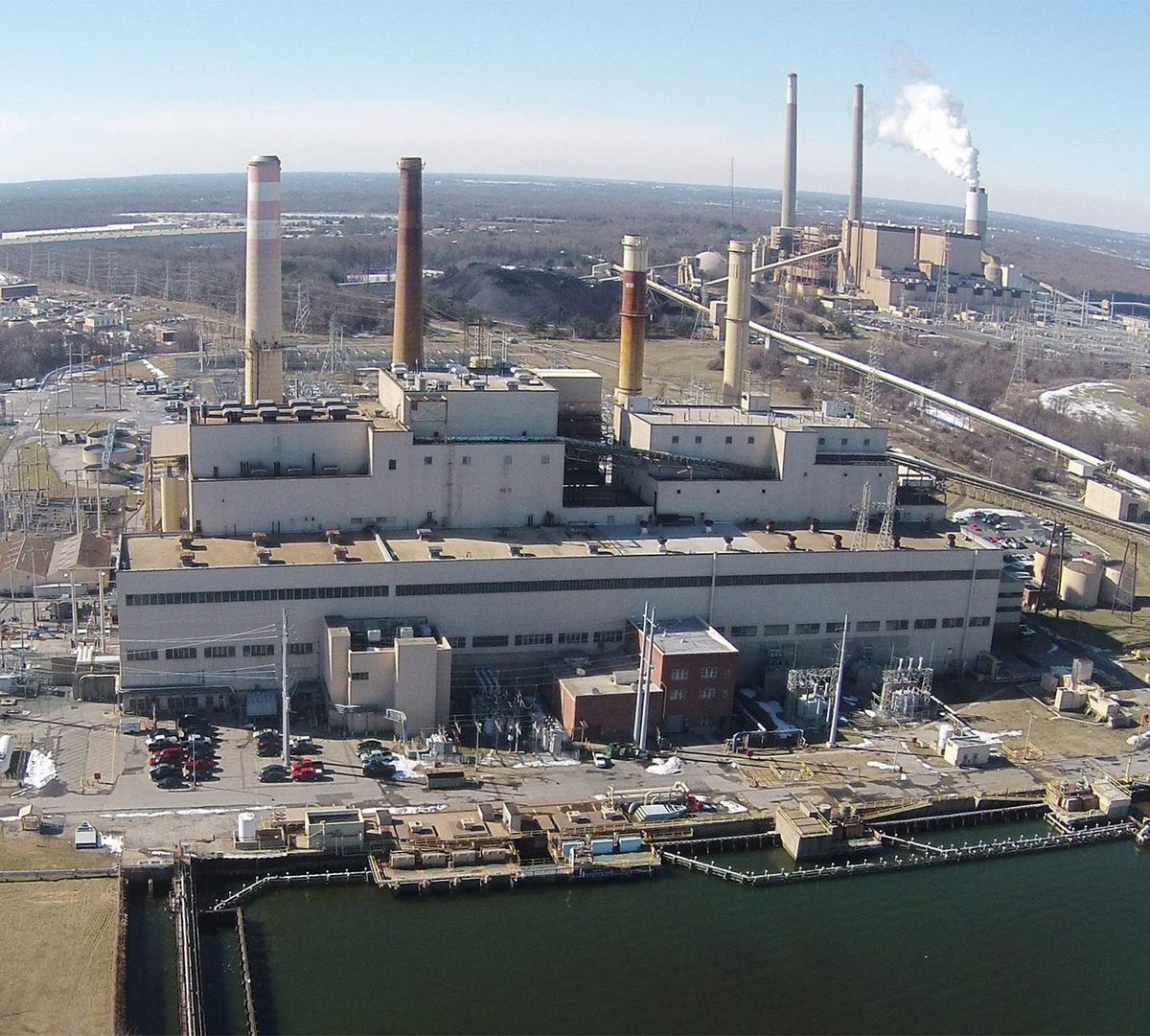
Between 1977 and 2000, the Energy Secretary used Section 202(c) of the Federal Power Act exactly zero times. Since May 2025, it has been invoked more than 40 times. On May 22, Secretary Chris Wright added another, directing Talen Energy to run a 54-year-old oil-fired unit outside Baltimore beyond its environmental run cap from now through August 19.

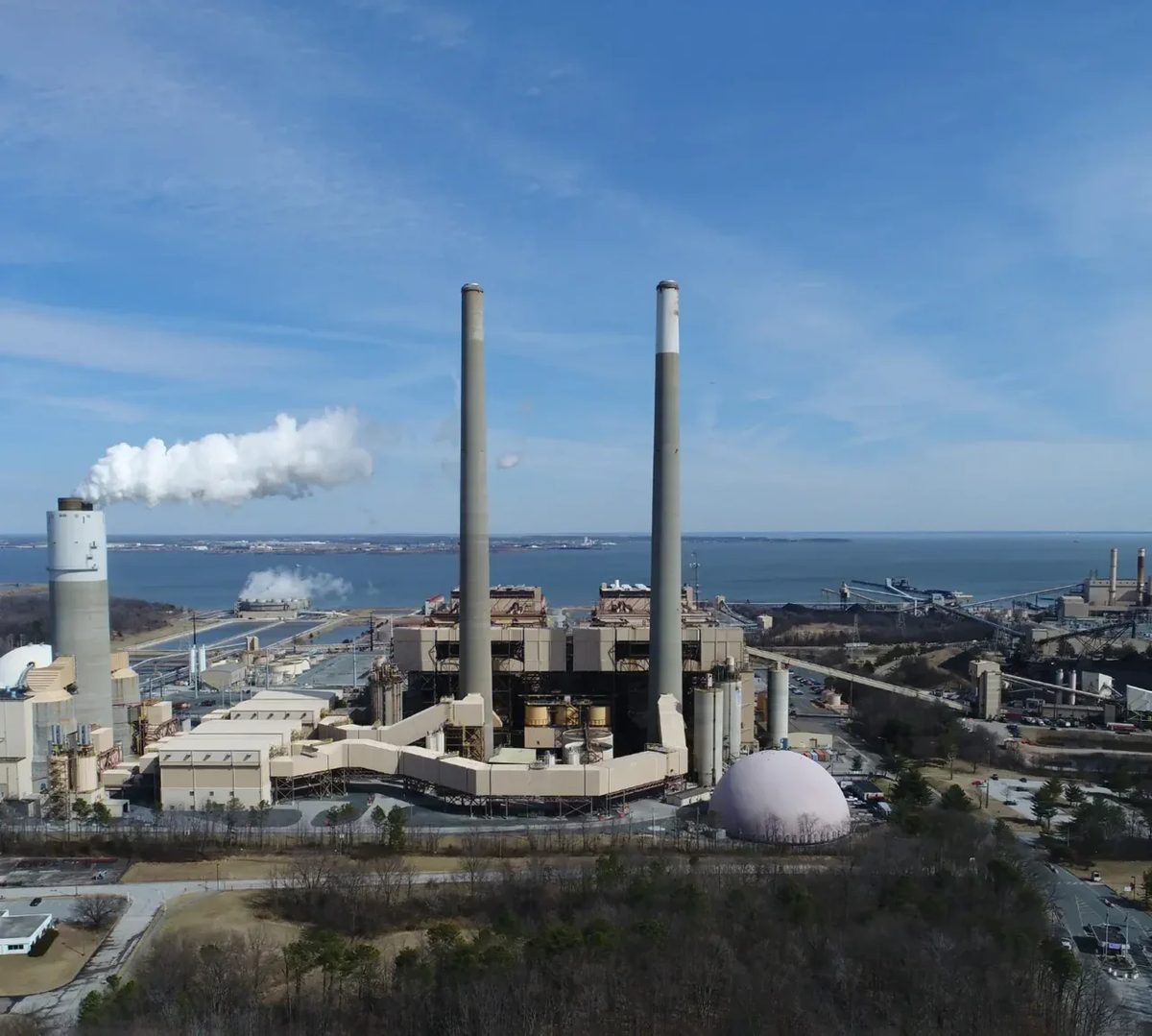
The order overrides a 2020 consent decree that limited Wagner Unit 4 to 438 hours of operation a year. PJM Interconnection, the grid operator for 65 million people across 13 states, says it needs the 397-megawatt unit because summer peak demand is forecast to brush against available supply. Data centers now account for 40% of PJM's capacity costs.

Why it matters

An emergency power written for wartime is now the default tool keeping retiring fossil plants online while data center demand outpaces new generation.

Key Indicators

5
PJM-region 202(c) orders
Emergency orders directed at PJM generators under the current administration.
65M
People served by PJM
The 13-state grid covers most of the mid-Atlantic and parts of the Midwest.
$333.44
PJM capacity price per MW-day
Record set in December 2025, signaling tight supply against fast-growing load.
40%
Data-center share of capacity costs
Data centers drove $6.5 billion of the $16.4 billion in PJM's last capacity auction.
438 hrs
Wagner 4 annual run cap
The 2020 consent-decree limit the DOE order overrides for the summer.

Voices

Curated perspectives — historical figures and your fellow readers.

Ever wondered what historical figures would say about today's headlines?

Sign up to generate historical perspectives on this story.

Play

Exploring all sides of a story is often best achieved with Play.

Log in to play. Track your picks, climb the leaderboards. Log in Sign Up
Predict 3 ways this could play out. Contrarian picks score more — points lock when the scenario resolves. Log in to play
Higher or Lower Two numbers from this story. Guess which is bigger. 5 rounds to set a streak. Log in to play
Timeline Five events from this story — drag them oldest to newest. Log in to play
Connections Sixteen names from the news. Find the four hidden groups of four. Log in to play

People Involved

Organizations Involved

Timeline

August 1935 May 2026

10 events Latest: 2 days ago
Tap a bar to jump to that date
  1. Wright orders Wagner 4 to run through August 19

    Latest Emergency Order

    Order No. 202-26-23 is the fifth Section 202(c) action in PJM under the current administration.

  2. PJM capacity auction sets record price

    Market

    Auction clears at $333.44 per MW-day and procures about 6,625 MW less than the reserve margin target.

  3. First Wagner Unit 4 emergency order

    Emergency Order

    DOE first overrides the 438-hour cap for Wagner 4, citing a Mid-Atlantic heat wave.

  4. Second order: Eddystone Units 3 and 4, Pennsylvania

    Emergency Order

    DOE orders Constellation to keep the 760 MW oil-fired units online.

  5. First Trump-era 202(c) order: J.H. Campbell, Michigan

    Emergency Order

    DOE directs Consumers Energy to keep the 1,560 MW coal plant running past its planned retirement.

  6. Talen and PJM reach deal to keep plants open through 2029

    Settlement

    Reliability-must-run agreement covers Wagner and Brandon Shores at fixed cost-of-service rates while transmission upgrades catch up.

  7. Talen notifies PJM of plans to retire Wagner and Brandon Shores

    Corporate

    The independent power producer cites economics and environmental permitting in setting a June 2025 retirement date.

  8. Wagner Unit 4 consent decree signed

    Regulatory

    Sierra Club and Maryland Department of the Environment cap Wagner 4 at 438 operating hours a year over air pollution.

  9. First use of Section 202(c)

    Historical Precedent

    The Federal Power Commission invokes the new emergency authority months before the U.S. enters World War II.

Historical Context

3 moments from history that rhyme with this story — and how they unfolded.

June 1941 - 1945

World War II grid orders (1941-1945)

The Federal Power Commission used Section 202(c) for the first time months before Pearl Harbor, then 21 more times during the war to compel utilities to share generation for aluminum smelters, shipyards, and weapons plants. The orders moved electricity across utility territories that, at the time, rarely cooperated.

Then

The orders kept war production on schedule and built the early habits of cross-utility coordination that became today's regional grids.

Now

Section 202(c) sat largely unused after the war. It was invoked seven times between 1945 and 1977 and zero times from 1977 to 2000.

Why this matters now

The current orders use the same statute Congress wrote for industrial mobilization. The change is in interpretation, not law: forecast summer demand now counts as an emergency.

December 2000 - June 2001

California energy crisis (2000-2001)

Wholesale prices in California spiked, Pacific Gas and Electric went bankrupt, and rolling blackouts hit the state. Energy Secretaries Bill Richardson and Spencer Abraham used Section 202(c) to force generators and marketers to keep selling power to California utilities that no longer had the credit to buy it.

Then

The orders kept the lights on through the worst weeks but were criticized for shielding sellers, including Enron, from credit risk.

Now

Federal investigators later found widespread market manipulation. FERC overhauled western electricity market rules, and Enron collapsed in 2001.

Why this matters now

California showed that 202(c) could be used for an extended financial-and-supply crisis, not just a wartime shortage. It is the closest precedent for the current pattern of repeated orders.

February 2021

Texas Winter Storm Uri 202(c) order (February 2021)

As Storm Uri knocked out roughly half of Texas's generating capacity and millions lost power, Energy Secretary Jennifer Granholm issued a 202(c) order letting ERCOT generators exceed federal air-quality limits to keep running. More than 240 people died from the cold and related causes.

Then

The order let some plants run that otherwise would have curtailed output, though much of the lost capacity was due to frozen equipment the order could not fix.

Now

Texas overhauled weatherization rules and ERCOT market design. The order itself drew legal scrutiny over whether it improperly waived environmental law.

Why this matters now

Uri established the modern template Wright is now using: a 202(c) order that explicitly overrides environmental limits, justified by an imminent reliability threat.

Sources

(10)