



Pull to refresh
Logo
Dominican Republic exits FAO hunger map after two decades of declining hunger

Dominican Republic exits FAO hunger map after two decades of declining hunger

New Capabilities

Undernourishment fell from 21.3% of the population in 2006 to below 2.5% in 2025 — one of only five Latin American exits

2 days ago: FAO formally recognizes the Dominican Republic

Overview

Updated 1 hour ago

Hunger in the Dominican Republic has fallen so far that the country has officially left the United Nations' hunger map. The Food and Agriculture Organization (FAO) confirmed that undernourishment dropped from 21.3 percent of the population in 2006 to below 2.5 percent in 2025 — the threshold for being declared free of chronic hunger.

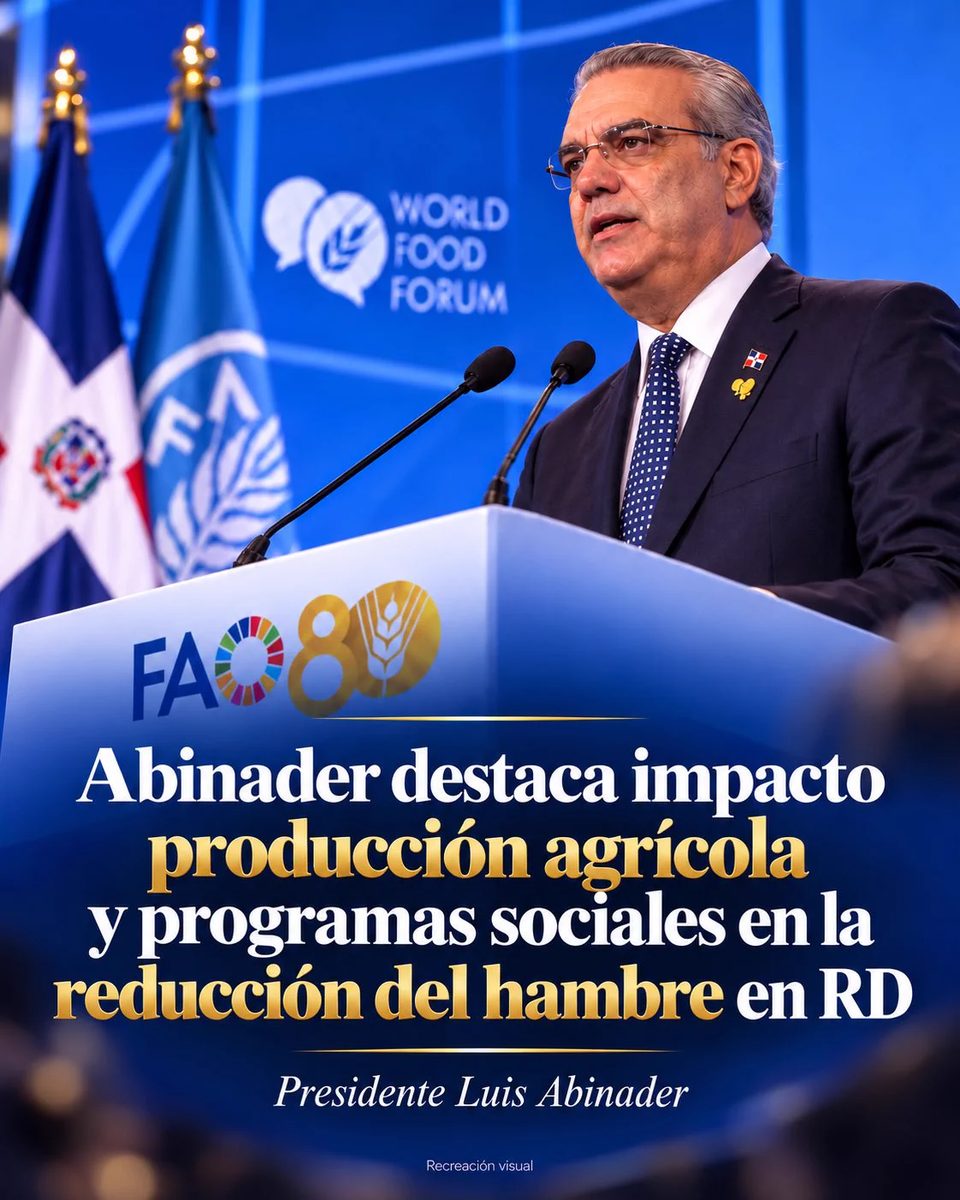
President Luis Abinader disclosed the exit in Rome during the World Food Forum, and the FAO formally recognized him on October 16 at the forum's closing ceremony. The Dominican Republic is the fifth country in Latin America to reach this point.

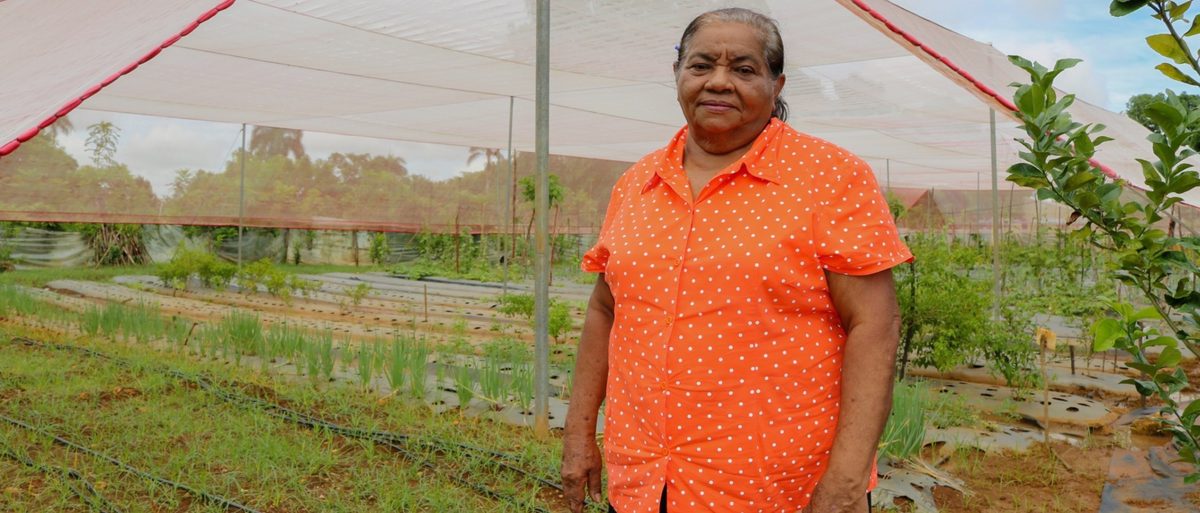
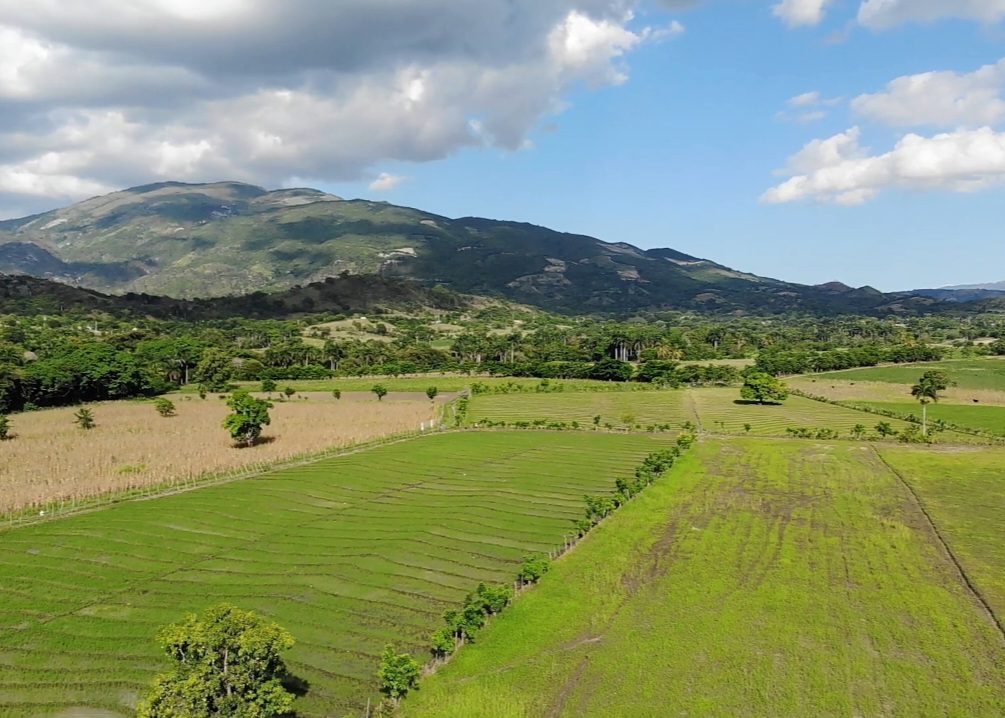
The decline rests on two tracks: more food produced at home and more money in households. Per-capita food production grew 122.3 percent from 2004 to 2024, and real household income rose 43.7 percent from 2015 to 2025. School meals now reach more than 2.2 million students, and 163 state dining halls serve 183,000 free hot meals daily.

The milestone does not end the job. Malnutrition, diet quality, and the cost of healthy food remain, and a drought plan for 2026-2027 signals the next test: whether the gains survive climate shocks.

Why it matters

The Dominican Republic shows a middle-income country can end chronic hunger in a generation through sustained farm and social policy, not wealth alone.

Questions about this story

Free account needed to ask — your question is kept and asked for you right after sign-up. Answers are public.

No questions yet — be the first to ask.

Key Indicators

Below 2.5%
Undernourishment prevalence
Down from 21.3% of the population in 2006; the FAO threshold for leaving its hunger map.
17.3%
Monetary poverty rate
Fell from 41.1% in 2015 to 17.3% in 2025.
2.2%
Extreme poverty rate
Down from 8.7% in 2015.
+122.3%
Per-capita food production growth
Growth from 2004 to 2024; domestic output now covers more than 85% of food demand.
2.2M+
Students covered by school feeding
Up from 1.7 million students in 2019.
+43.7%
Real household income growth per capita
From 2015 to 2025, a key driver of the hunger decline.

Voices

Curated perspectives — historical figures and your fellow readers.

Ever wondered what historical figures would say about today's headlines?

Sign up to generate historical perspectives on this story.

People Involved

Organizations Involved

Timeline

2006 October 2026

5 events Latest: 2 days ago
Tap a bar to jump to that date
  1. FAO formally recognizes the Dominican Republic

    Latest Recognition

    FAO Director General Qu Dongyu honors Abinader at the closing of the World Food Forum in Rome.

  2. Abinader announces the exit in Rome

    Statement

    During the World Food Forum, the president tells FAO representatives the country has left the hunger map.

  3. Undernourishment falls below 2.5 percent

    Milestone

    Prevalence crosses the FAO threshold for leaving the hunger map.

  4. Abinader takes office

    Political

    New president makes eliminating chronic hunger a stated priority of his administration.

  5. Undernourishment measured at 21.3 percent

    Data

    Baseline for the two-decade decline: more than a fifth of the population undernourished.

Scenarios

1

Dominican Republic stays off the FAO hunger map

Likely Resolves by Aug 1, 2027

Discussed by: Luis Abinader administration; FAO assessments

If farm financing, irrigation, and social programs hold, the next FAO report keeps Dominican undernourishment below 2.5 percent and the country off the hunger map. The government argues the gains are structural, backed by domestic production that now supplies more than 85 percent of food demand.

2

Drought or price shock pushes hunger back toward the threshold

Possible Resolves by Aug 1, 2028

Discussed by: UASD economist Daris Javier Cuevas; hoy.com.do analysis; government's 2026-2027 drought plan

The government itself flagged drought as the main weather risk and launched an anticipatory plan for the 2026-2027 season to protect irrigation, watersheds, and small producers. If a severe dry spell raises food prices and cuts harvests, undernourishment could tick back up toward the 2.5 percent line.

3

Diet quality and affordability become the next policy fight

Likely Resolves by Aug 1, 2027

Discussed by: President Abinader's post-exit remarks; hoy.com.do; FAO Americas

Abinader said leaving the hunger map does not end malnutrition or guarantee healthy, affordable diets. FAO and Dominican analysts point to the cost of a healthy food basket and the difficulty low-income households face in buying varied, nutritious food — issues the undernourishment rate does not capture.

Historical Context

2 moments from history that rhyme with this story — and how they unfolded.

2014

Brazil exits the FAO hunger map (2014)

Brazil left the FAO hunger map in 2014 after undernourishment fell below 5 percent, following the Bolsa Família conditional cash transfer program that paid poor families to keep children in school and vaccinated, alongside minimum-wage increases.

Then

Brazil was celebrated globally as proof that a large developing economy could end chronic hunger through social policy.

Now

By 2022, an economic crisis and the pandemic pushed tens of millions of Brazilians back into severe food insecurity, and the country returned to the hunger map.

Why this matters now

Brazil shows hunger-map exits can be reversed by economic shocks — a cautionary backdrop for the Dominican Republic's claim that its gains are structural.

2021-2022

Global hunger rises after COVID-19 and the war in Ukraine (2021-2022)

FAO's 2022 State of Food Security report estimated that roughly 735 million people worldwide were undernourished in 2022, up tens of millions from before the pandemic, as COVID-19, conflict, inflation, and supply-chain shocks combined.

Then

World hunger climbed for the first time in years, reversing a decade of gradual decline.

Now

The rise made progress stories rarer and pushed governments to confront climate- and conflict-driven food shocks.

Why this matters now

The Dominican Republic's exit landed during this global hunger surge, which makes its achievement stand out — and makes the drought risk at home more consequential.

Sources

(10)