
Pull to refresh
Logo
Dubai awards $817m for third phase of Tasreef stormwater programme

Dubai awards $817m for third phase of Tasreef stormwater programme

Built World

Four contracts add about 100km of drainage lines across Jumeirah, Al Quoz, Al Wasl and Al Marmoom

Today: Phase 3 contracts awarded

Overview

Updated 1 hour ago

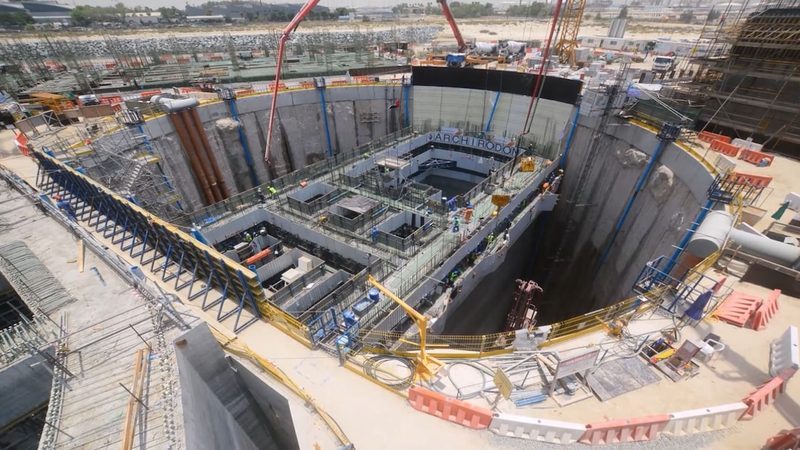
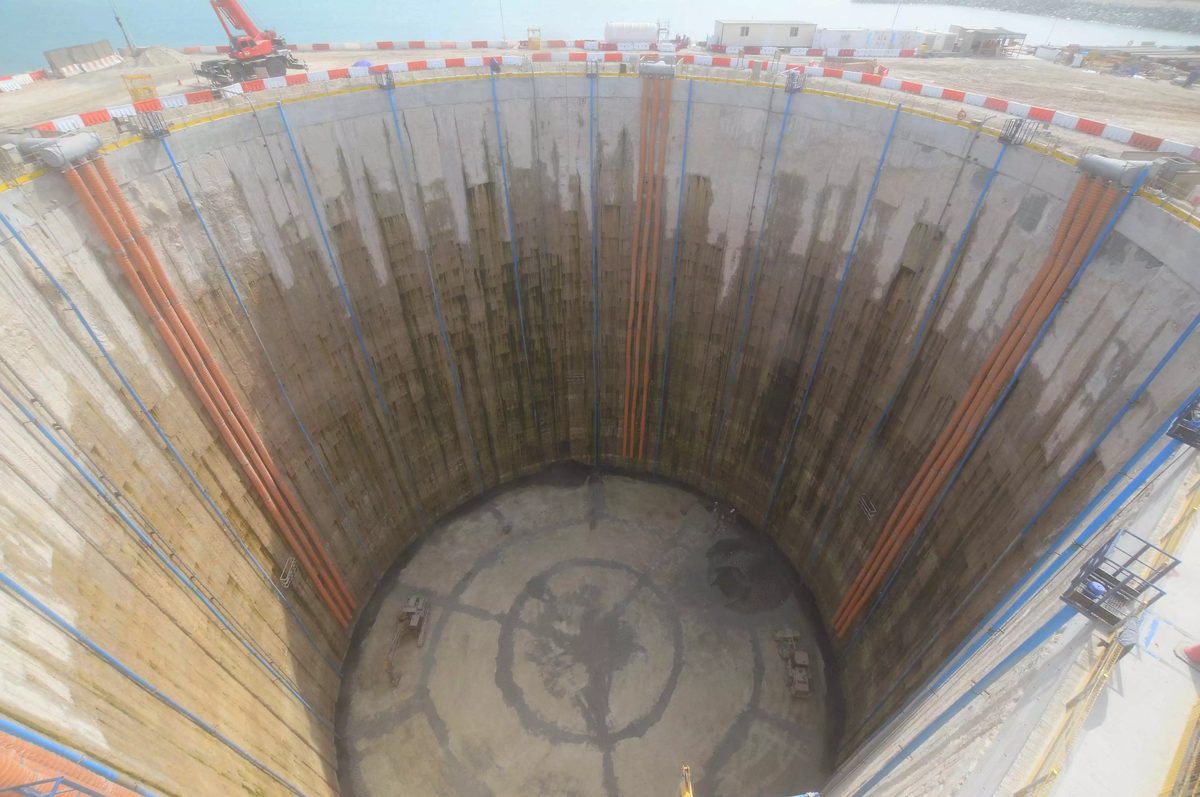
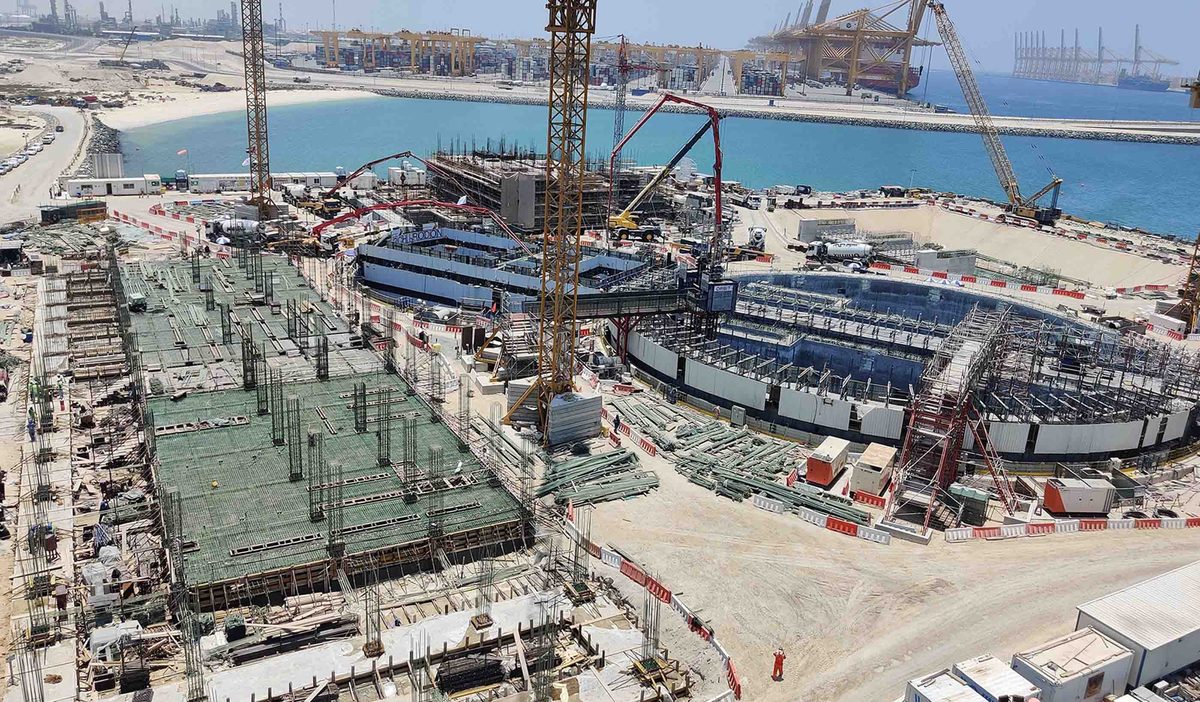
Dubai Municipality has awarded four contracts worth AED3bn ($817m) for the third phase of Tasreef, the emirate's stormwater drainage overhaul. The work adds about 100km of main drainage lines, some three metres wide, beneath busy districts including Jumeirah, Al Quoz, Al Wasl and Al Barsha.

The phase is the largest award round so far, bringing committed spending to about AED6.9bn of a planned AED30bn. Tasreef was approved in 2024, months after record rainfall flooded Dubai's streets and shut its airport. The system is designed to lift drainage capacity by 700% and serve the city for the next 100 years.

Why it matters

Every award round pushes Dubai closer to handling storms like the April 2024 floods that shut its airport.

Questions about this story

Free account needed to ask — your question is kept and asked for you right after sign-up. Answers are public.

No questions yet — be the first to ask.

Key Indicators

$817m
Phase 3 contract value
Four contracts awarded by Dubai Municipality in October 2026.
$1.9bn
Total awarded across phases 1-3
About a quarter of the programme's AED30bn budget is now committed over 13 contracts.
700%
Planned drainage capacity increase
The finished system will move about 20 million cubic metres of stormwater a day.
~100km
Phase 3 drainage lines
Main lines up to three metres in diameter, connecting roughly 100km² of the city.
2033
Programme completion target
The full Tasreef network is scheduled to be delivered in phases by 2033.

Voices

Curated perspectives — historical figures and your fellow readers.

Ever wondered what historical figures would say about today's headlines?

Sign up to generate historical perspectives on this story.

People Involved

Organizations Involved

Timeline

April 2024 October 2026

5 events Latest: Today
Tap a bar to jump to that date
  1. Phase 3 contracts awarded

    Today Contract award

    Dubai Municipality awards AED3bn across four contracts for about 100km of main drainage lines. Winners include ARIFCO Group, China State Construction Engineering Corporation Middle East, DETech Contracting and Nael Construction & Contracting.

  2. Phase 2 contracts awarded

    Contract award

    Municipality awards AED2.5bn across five contracts, including a tunnel, pumping station and lake.

  3. Phase 1 contracts awarded

    Contract award

    Dubai Municipality awards AED1.44bn across four projects adding more than 36km of drainage lines.

  4. Sheikh Mohammed approves Tasreef

    Decision

    Dubai's ruler approves the AED30bn stormwater programme, months after the April floods.

  5. Record rainfall floods Dubai

    Weather event

    Days of heavy rain overwhelm Dubai, flooding streets, homes and Dubai International Airport operations.

Scenarios

1

Tasreef delivers all phases by 2033

Likely Resolves by End of 2033

Discussed by: Dubai Municipality and programme planners

The programme holds to its published schedule. Remaining phases, roughly AED23bn of work, are awarded and built on time, lifting drainage capacity 700% and meeting the 100-year design horizon that officials cite.

2

Timeline slips past 2033

Possible Resolves by Q2 2030

Discussed by: Construction analysts tracking large infrastructure programmes

Contractor capacity constraints, utility conflicts in dense districts, or budget pressure stretch the completion date beyond 2033, even if all phases are still awarded.

3

Programme stalls after phase 3

Unlikely Resolves by End of 2028

Discussed by: Infrastructure budget watchers

Budget pressure or a shift in priorities leaves the remaining AED23bn uncommitted for years, halting the programme at roughly a quarter of its budget.

Historical Context

2 moments from history that rhyme with this story — and how they unfolded.

1992-2006

Tokyo's G-Cans underground flood channel (1992-2006)

After typhoon floods repeatedly swamped homes in Saitama Prefecture, Japan built the Metropolitan Area Outer Underground Discharge Channel, a 6.3km system of tunnels and five shafts up to 70 metres underground that diverts floodwater into the Edo River.

Then

The system cut flooding in several Tokyo-area basins, though extreme rains still overwhelm it occasionally.

Now

It became a reference case for cities choosing large engineered flood fixes over piecemeal repairs.

Why this matters now

Like Tasreef, it is a single giant infrastructure answer to a recurring flooding problem, built on a multi-decade horizon.

1974-1984

London's Thames Barrier (1974-1984)

The 1953 North Sea flood killed more than 300 people in eastern England and flooded tens of thousands of homes. London responded with the Thames Barrier, a 520-metre line of steel gates across the river, completed in 1984.

Then

The barrier has been raised hundreds of times since, protecting central London from storm surges.

Now

It set the pattern for flood defences built to a multi-decade standard after a single disaster.

Why this matters now

Tasreef follows the same logic: a disaster prompts a long-horizon engineering response, in Dubai's case sized for 100 years of storms.

Sources

(4)