

Pull to refresh
Logo
Eddyfi launches Ignite platform for automated surface inspections

Eddyfi launches Ignite platform for automated surface inspections

New Capabilities

The eddy current array system pairs a 6-pound instrument with automation software to move surface inspection from manual to robotic workflows.

Yesterday: Eddyfi unveils Ignite at ASNT Annual Conference

Overview

Updated Yesterday

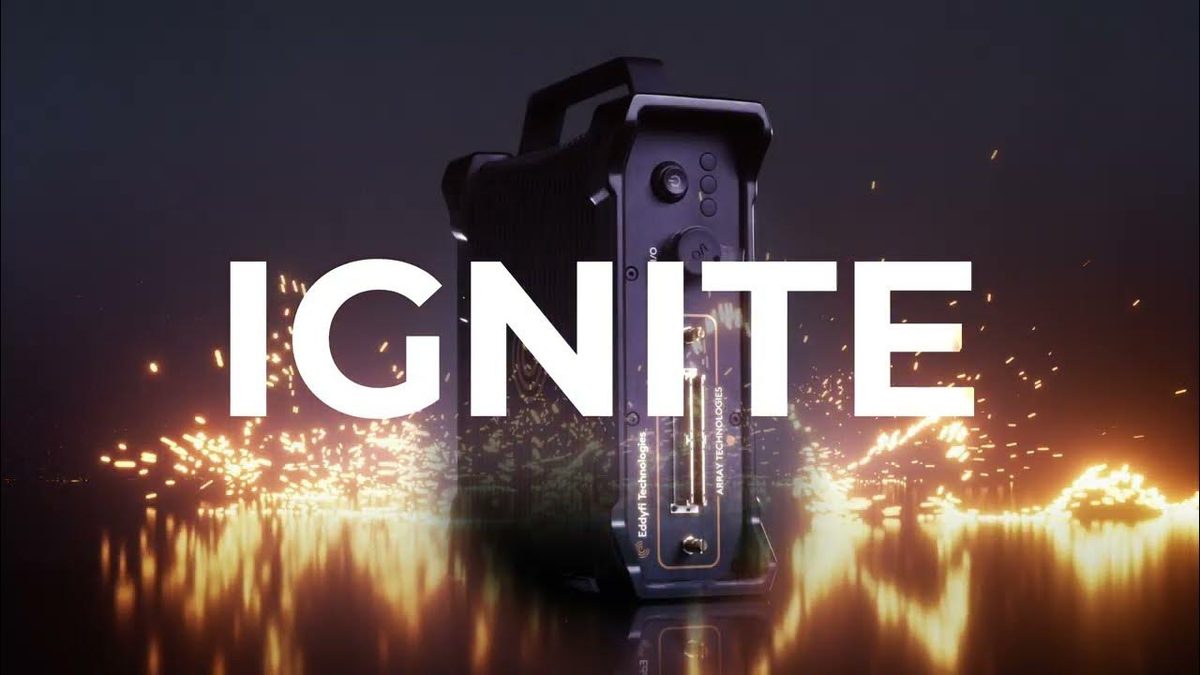
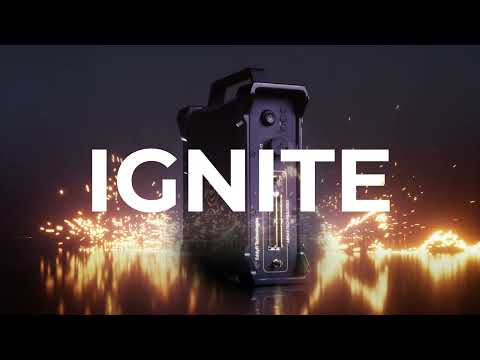
Eddyfi Technologies unveiled Ignite, a digital eddy current array platform, at the ASNT Annual Conference in Columbus, Ohio, on October 12. The system pairs a 6-pound instrument with software that handles both manual and fully automated inspections.

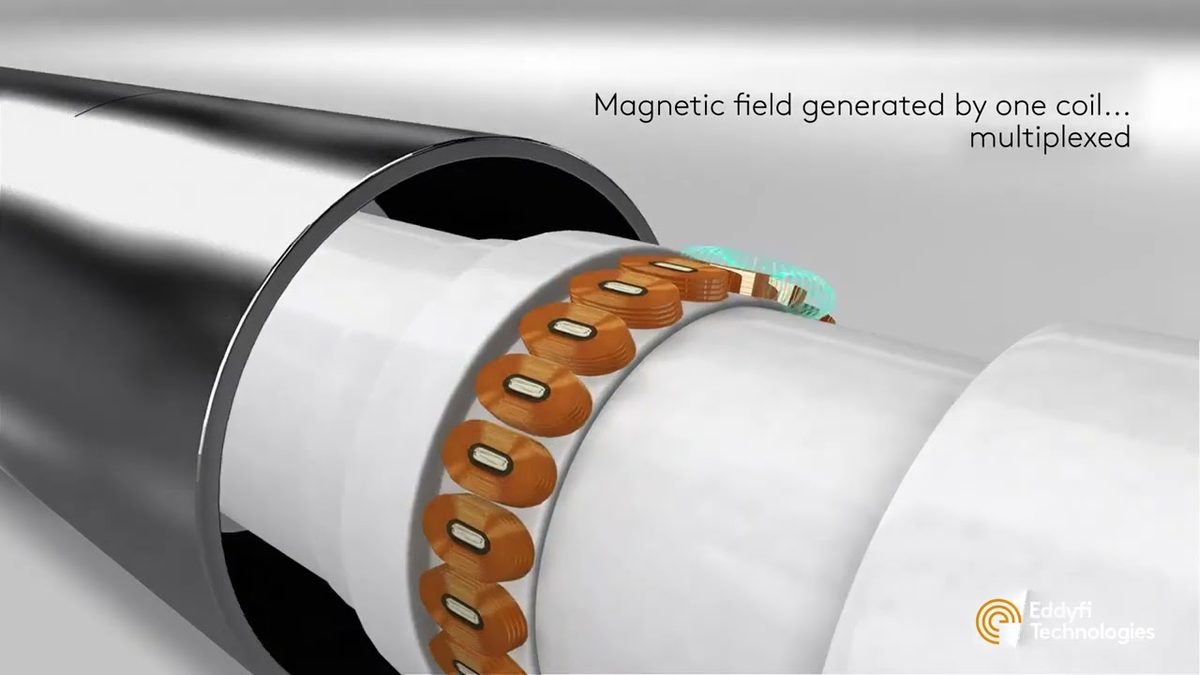
The launch targets a long-standing bottleneck in non-destructive testing: surface inspections have relied on skilled technicians moving probes by hand, which is slow and hard to repeat. Ignite is designed to run the same eddy current technique on robots and production lines, with calibration and data analysis handled automatically.

Why it matters

If automated surface inspection catches on, manufacturers can inspect more parts faster and rely less on scarce skilled technicians.

Questions about this story

Free account needed to ask — your question is kept and asked for you right after sign-up. Answers are public.

No questions yet — be the first to ask.

Key Indicators

256
Maximum channel configuration
Ignite supports 64, 128, or 256 channels, upgradable in the field.
128
Maximum sensors per array probe
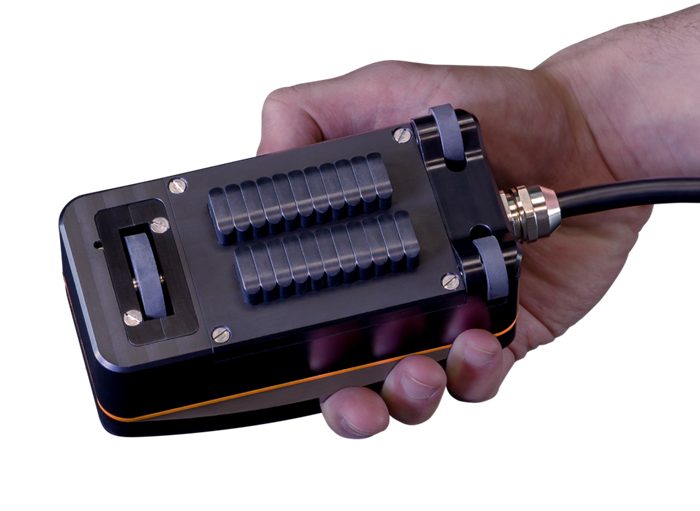
Array probes with up to 128 sensors are supported across eight inputs.
7 MHz
Maximum operating frequency
The 5 Hz to 7 MHz range covers surface crack detection and high-speed inspection.
6 lb
Platform weight
At about 6 pounds, the instrument fits fixed stations, robotic cells, and crawlers.
50°C
Maximum operating temperature
Rated for operation up to 50°C (122°F).

Voices

Curated perspectives — historical figures and your fellow readers.

Ever wondered what historical figures would say about today's headlines?

Sign up to generate historical perspectives on this story.

People Involved

Organizations Involved

Timeline

October 2026 December 2026

2 events Latest: Yesterday
  1. First Ignite deliveries planned

    Upcoming Milestone

    Eddyfi scheduled first commercial deliveries of the Ignite platform for December 2026.

  2. Eddyfi unveils Ignite at ASNT Annual Conference

    Latest Product Launch

    The company announced commercial release of the platform in Columbus, Ohio, with first deliveries planned for December 2026.

Scenarios

1

Ignite becomes a standard platform for automated surface ECA

Likely Resolves by End of 2027

Discussed by: Eddyfi's own positioning and the company's stated goal of transitioning customers from manual to automated workflows

If early customers in aerospace and manufacturing report success with robotic deployments, Ignite could become the default platform for automated surface ECA. The company designed the system for fixed inspection stations, robotic cells, and crawlers, and the open data format is meant to integrate with existing production systems.

2

Adoption stays limited to early adopters

Possible Resolves by End of 2027

Discussed by: Skeptics of automation in NDT, who note that many inspection codes and standards still require manual methods

If the transition to automated inspection is slower than expected, Ignite could remain a niche product used mainly by early adopters. Inspection codes and standards often lag technology, and customers may be slow to change qualified procedures.

3

Competitors launch rival automation-ready ECA platforms

Possible Resolves by End of 2027

Discussed by: NDT industry analysts tracking the competitive landscape

Eddyfi's main competitors in NDT instrumentation could respond with their own automation-ready ECA platforms. The market for automated inspection is growing, and rivals may see Ignite's launch as a signal to accelerate their own automation efforts.

Historical Context

3 moments from history that rhyme with this story — and how they unfolded.

1990s-2000s

Film to digital radiography in NDT (1990s-2000s)

The NDT industry shifted from film-based radiography to digital detectors over the 1990s and 2000s. Digital systems produced images that could be analyzed on computers, stored electronically, and shared across sites.

Then

Inspection labs replaced film processors with digital detector panels and computed radiography systems.

Now

Digital radiography enabled computer-aided analysis and laid the groundwork for automated inspection workflows.

Why this matters now

Like digital radiography, Ignite moves a core NDT technique from manual, skill-dependent work to a digital, automatable process.

2000s

Phased array ultrasonic testing adoption (2000s)

Phased array ultrasonic testing (PAUT) gained acceptance in the 2000s for weld inspection. Unlike manual ultrasonic testing, which required technicians to interpret single-element signals, PAUT used electronically steered arrays to produce cross-sectional images.

Then

PAUT reduced inspection time and improved repeatability for weld examinations.

Now

PAUT became a standard method for critical weld inspection, especially in pipelines and pressure vessels.

Why this matters now

Ignite applies the same logic to eddy current testing: array probes and software replace single-point manual scanning with faster, more repeatable coverage.

1980s-1990s

Automated optical inspection in electronics (1980s-1990s)

Electronics manufacturers replaced manual visual inspection of circuit boards with automated optical inspection (AOI) systems in the 1980s and 1990s. AOI used cameras and image processing to detect solder defects and missing components.

Then

AOI increased inspection speed and consistency on production lines.

Now

AOI became standard in electronics manufacturing, with manual inspection reserved for edge cases.

Why this matters now

Ignite aims to do for eddy current surface inspection what AOI did for circuit board inspection: move it from manual to automated production workflows.

Sources

(8)