
Pull to refresh
Logo
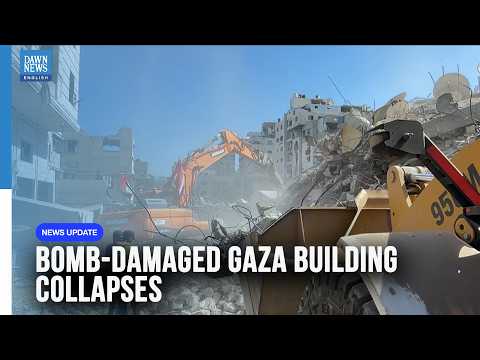
War-damaged Gaza City building collapses, killing displaced families

War-damaged Gaza City building collapses, killing displaced families

Built World

Six-story structure housing displaced families gives way overnight in Gaza City

Yesterday: Tal al-Hawa building collapses overnight

Overview

Updated 9 hours ago

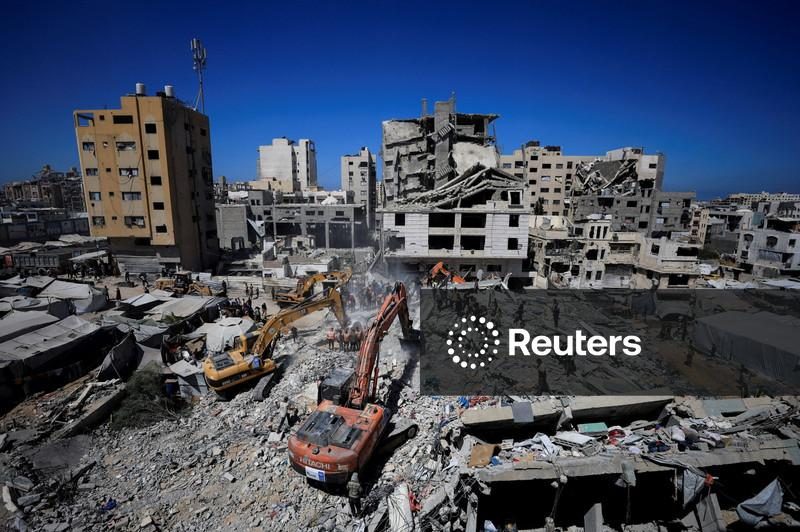
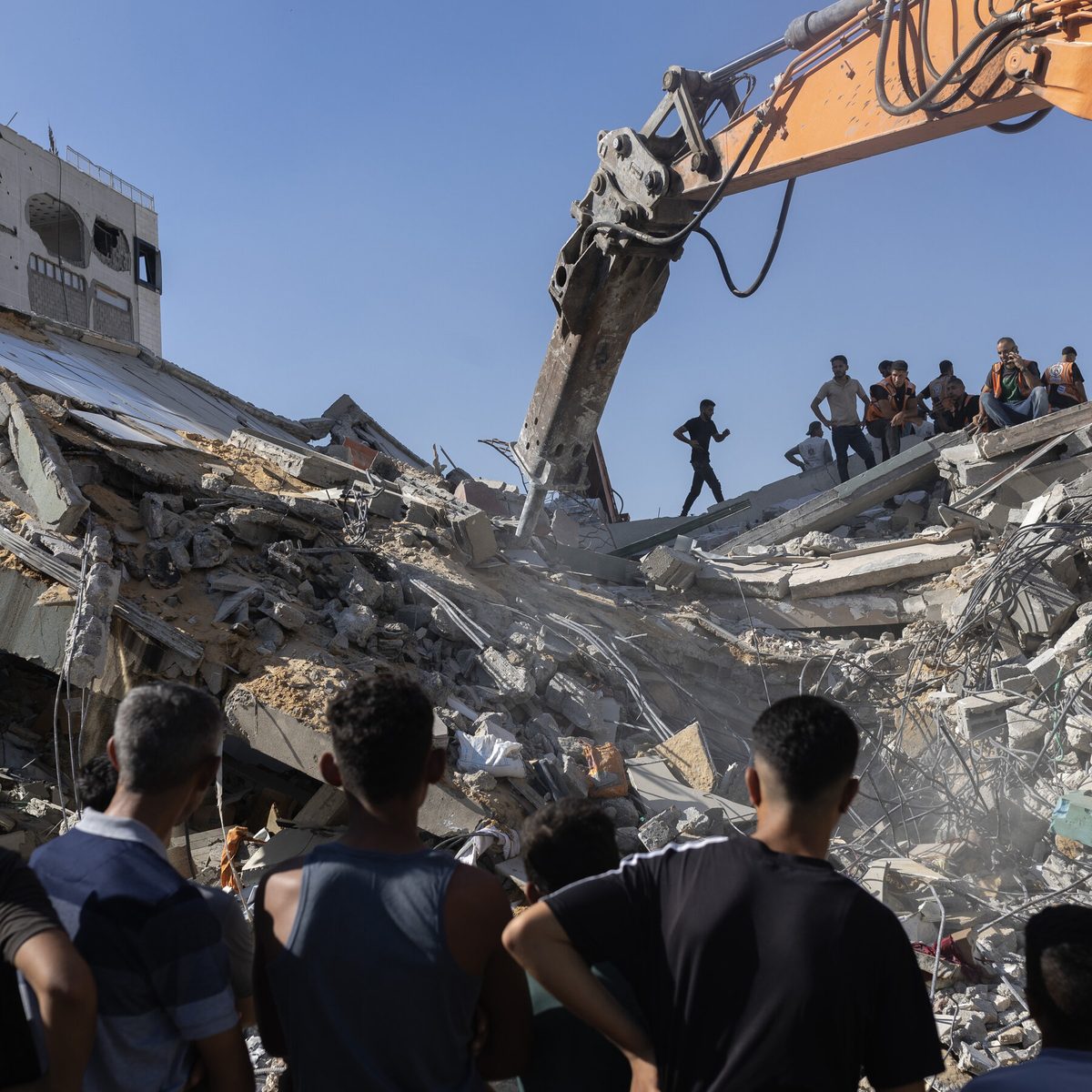
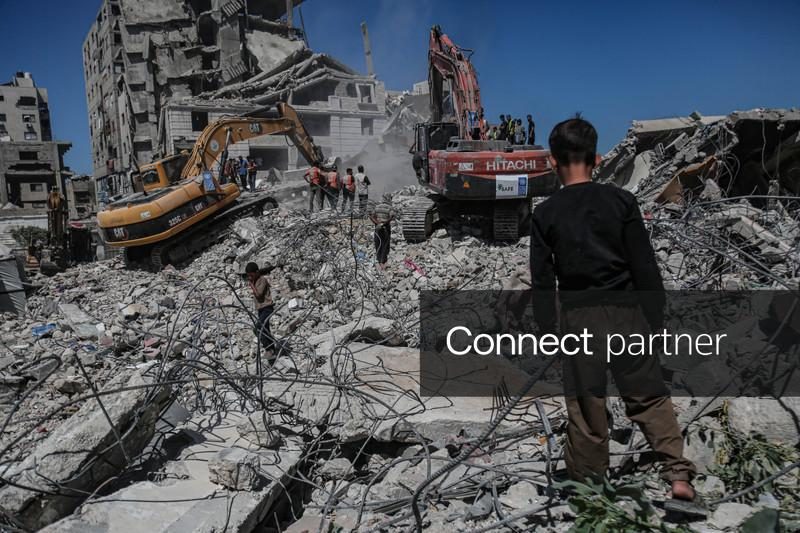
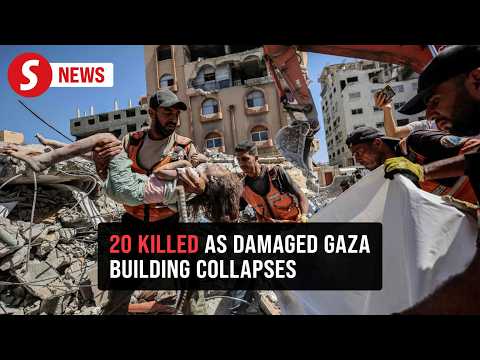
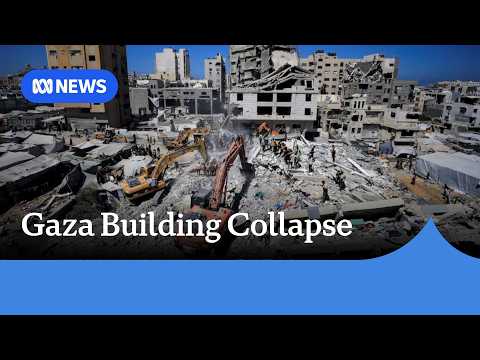
A six-story apartment building in Gaza City's Tal al-Hawa area collapsed overnight Tuesday, killing at least 21 people. Eight of the dead were children. The structure had been damaged by an Israeli strike more than a year ago, but displaced families were living inside because they had no safe alternative.

Rescuers dug with bare hands because heavy machinery is barred from Gaza. UN officials say about 100 people were in the building at collapse time and that roughly 400 other war-damaged structures across Gaza could fail as winter rains weaken them further.

Why it matters

About 400 more war-damaged buildings in Gaza could collapse this winter, killing residents who have no safe alternative shelter.

Questions about this story

Free account needed to ask — your question is kept and asked for you right after sign-up. Answers are public.

No questions yet — be the first to ask.

Key Indicators

21+
People killed in collapse
Death toll varies by source; LA Times reports 11 children among the dead.
~100
People missing or trapped
UN News reports roughly 100 people, including 50 children, lived in the building.
400+
Buildings at risk of collapse
UNDP estimates war-damaged structures across Gaza could fail, especially in winter rains.
1.9M
Palestinians displaced in Gaza
About 90% of the territory's population, with 1.2 million living in tents or makeshift shelters.

Voices

Curated perspectives — historical figures and your fellow readers.

Ever wondered what historical figures would say about today's headlines?

Sign up to generate historical perspectives on this story.

People Involved

Organizations Involved

Timeline

October 2023 September 2026

3 events Latest: Yesterday
  1. Tal al-Hawa building collapses overnight

    Latest Disaster

    Six-story war-damaged building housing displaced families collapses, killing at least 21 including eight children.

  2. Rescue operation ends, 45 injured taken to hospitals

    Resolution

    Civil Defence and UN/Egyptian teams end search after extracting 45 injured survivors; about 100 remain missing.

  3. War begins after Hamas-led attack on Israel

    Conflict

    Israel launches military campaign in Gaza; strikes target Gaza City neighborhoods in following weeks.

Scenarios

1

Winter brings more Gaza building collapses

Possible Resolves by End of 2026

Discussed by: Alessandro Mrakic (UNDP); UN humanitarian officials

UNDP warns that roughly 400 war-damaged buildings across Gaza are at imminent risk of collapse, with the danger rising as winter rains arrive. Buildings weakened by strikes can fail without warning, and displaced families have nowhere else to go. More collapses would push even more Palestinians into unsafe structures or tents while aid agencies struggle with scarce resources.

2

Israel approves heavy rescue equipment for Gaza

Uncertain Resolves by End of 2026

Discussed by: Ramiz Alakbarov (UN humanitarian coordinator); Israeli defense officials

UN officials call for Israeli approval of heavy machinery, fuel, and specialized equipment for search-and-rescue operations in Gaza. Israel says restrictions prevent equipment from reaching Palestinian armed groups. If approved, rescue operations speed up and responses to future collapses improve. If not, civilian rescue teams remain dependent on bare-hand digging.

3

Truce holds but shelter crisis deepens

Uncertain Resolves by Q1 2027

Discussed by: LA Times reporting; UN humanitarian officials

The current ceasefire holds but large-scale reconstruction remains blocked, leaving nearly 2 million people displaced and living in tents or damaged buildings. If the truce holds through winter, aid agencies might relocate families from at-risk structures, but rebuilding cannot begin. If it breaks, airstrikes resume and the collapse risk multiplies.

Historical Context

2 moments from history that rhyme with this story — and how they unfolded.

December 2016 to 2020

Aleppo's bombed districts (2017-2020)

When the Syrian government retook eastern Aleppo in December 2016, entire neighborhoods stood hollowed out by airstrikes and barrel bombs. Returning residents moved into structurally compromised apartment blocks because housing was scarce, and in subsequent years several buildings collapsed on inhabitants.

Then

A series of collapses in Aleppo killed civilians who had returned to live in or check on their damaged homes.

Now

Slow reconstruction left unstable buildings standing for years, with residents forced to gauge structural safety themselves.

Why this matters now

Shows how post-conflict building collapses follow a predictable pattern: damaged structures house desperate people, then fail without engineering review.

July 2017 to 2020

Mosul's collapsing ruins (2017-2020)

After Iraqi forces recaptured west Mosul from ISIS in July 2017, tens of thousands of buildings lay bombed and bullet-riddled. Civilians returned to salvage homes, and over the following years, unstable structures collapsed without warning, killing residents. Iraqi authorities lacked the equipment and assessment capacity to make ruins safe quickly.

Then

Individual building collapses killed residents in the years after combat ended, as people lived in structurally unsound homes.

Now

International agencies eventually funded neighborhood-level debris removal and rebuilding, but the process stretched on for years while people remained exposed.

Why this matters now

Demonstrates that war-damaged buildings can fail years after the strike that weakened them, especially when residents have no choice but to sleep inside.

Sources

(9)