

Pull to refresh
Logo
World Food Programme cuts Gaza food aid as funding runs short

World Food Programme cuts Gaza food aid as funding runs short

Money Moves

UN agency trims assistance from 1.6 million to 1.1 million people ahead of winter

Today: WFP cuts Gaza aid to 1.1 million

Overview

Updated 58 minutes ago

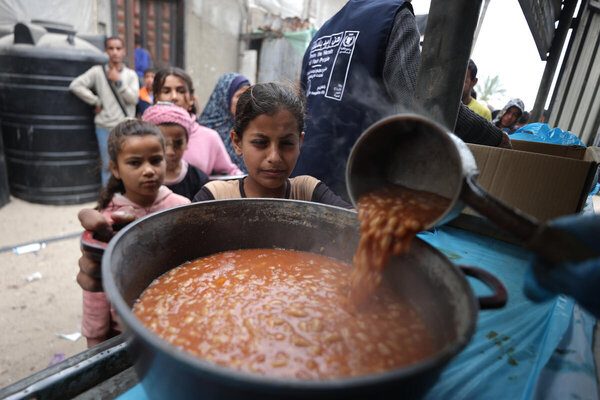
The World Food Programme is cutting Gaza aid from 1.6 million to 1.1 million people, a third of its reach, because donor money has dried up. Daily hot meals from community kitchens fall from 250,000 to 150,000, and monthly flour rations drop from 1.1 million to 600,000 households.

The cuts land as winter nears, a year after the Israel-Hamas ceasefire and three years into the war. Nearly all of Gaza's 2.1 million people are displaced, two-thirds rely on food aid, and unemployment exceeds 80%. The agency needs $450 million over the next six months to hold the line.

Why it matters

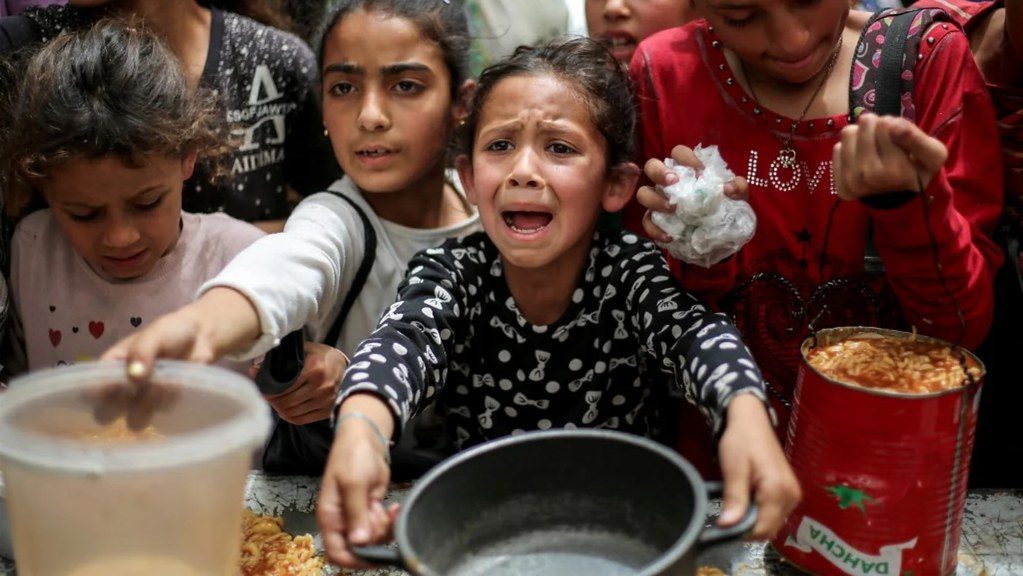
Half a million Gazans lose food aid this winter, when markets are stocked but almost nobody can afford to buy food.

Questions about this story

Free account needed to ask — your question is kept and asked for you right after sign-up. Answers are public.

No questions yet — be the first to ask.

Key Indicators

500,000
People cut from WFP assistance
Monthly reach drops from 1.6 million to 1.1 million.
$450M
WFP urgent funding need
Required over the next six months to maintain critical operations.
67%
Gazans facing acute food insecurity
About 1.4 million people, per the July-December 2026 IPC analysis.
100,000
Daily hot meals cut
Community kitchens drop from 250,000 to 150,000 meals per day.

Voices

Curated perspectives — historical figures and your fellow readers.

Ever wondered what historical figures would say about today's headlines?

Sign up to generate historical perspectives on this story.

People Involved

Organizations Involved

Timeline

October 2023 October 2026

5 events Latest: Today
Tap a bar to jump to that date
  1. WFP cuts Gaza aid to 1.1 million

    Today Funding

    BBC reports monthly assistance drops from 1.6 million to 1.1 million people as winter nears.

  2. West Bank assistance halved

    Funding

    WFP cuts West Bank beneficiaries from 400,000 to 200,000 due to funding gaps.

  3. WFP cuts cash assistance

    Funding

    Agency reduces cash transfers by 40% for roughly 375,000 people in Gaza.

  4. Israel and Hamas agree ceasefire

    Diplomacy

    Ceasefire halts major fighting, but strikes continue and no reconstruction begins.

  5. War begins in Gaza

    Conflict

    Hamas attacks Israel, triggering a war that displaces nearly all of Gaza's population.

Scenarios

1

Donors meet WFP appeal, Gaza aid restored

Unlikely Resolves by Apr 30, 2027

Discussed by: WFP leadership and humanitarian aid groups

WFP needs $450 million over six months. If major donors — Gulf states, European governments, or a restored U.S. contribution — commit new money, the agency raises assistance above 1.1 million people and adds winter supplies like fuel and shelter materials. Restoring funding would also let WFP shift from food parcels toward cash, which is cheaper and supports local markets.

2

WFP cuts deepen as funds run out

Possible Resolves by Apr 30, 2027

Discussed by: WFP officials and food security analysts

If the $450 million does not materialize, WFP extends cuts: fewer hot meals, smaller rations, and more people dropped from the rolls. Winter flooding and cold could push acute hunger higher, since no reconstruction has begun and most families live in tents. The IPC already projects 67% of Gazans facing crisis-level hunger through December 2026.

3

Aid holds at reduced level through winter

Likely Resolves by Apr 30, 2027

Discussed by: Humanitarian responders broadly

Partial funding keeps assistance near 1.1 million people but does not restore it. Families who remain on the rolls get less per person as rations shrink and cash values stay low. This is the middle path — no collapse, no recovery — and it leaves the majority of Gazans dependent on aid through the winter months.

Historical Context

2 moments from history that rhyme with this story — and how they unfolded.

2020-2021

Yemen food aid cuts (2020)

WFP, facing a funding shortfall during the pandemic, cut food rations for millions of Yemenis in the world's largest hunger crisis at the time. The agency warned of mass famine and reduced monthly rations even as famine conditions threatened in parts of the country.

Then

Gulf donors and other states partially restored funds, but ration cuts persisted for months before being reversed.

Now

The episode showed how quickly donor shortfalls translate into measurable hunger in conflict zones with blocked supply lines.

Why this matters now

Yemen is the closest recent case of WFP being forced to cut aid in a blockade-era conflict because money ran out, not because needs fell.

2025

Global humanitarian funding crunch (2025)

Major donor cuts, including a sharp reduction in U.S. foreign aid, forced humanitarian agencies worldwide to scale back. The U.S., historically WFP's largest donor, dismantled parts of its aid apparatus, leaving a multi-billion-dollar gap.

Then

WFP and partner agencies slashed food assistance across multiple countries, not just Gaza.

Now

The crunch reset the baseline: agencies now compete for a smaller pool of aid money, making sudden cuts in any single crisis more likely.

Why this matters now

Gaza's funding shortfall is part of this broader donor contraction. The cuts hit hardest where operations are most expensive and access is tightest.

Sources

(6)