
Logo
Daily Brief
Following
Why
Gaza's Third Winter Without Shelter

Gaza's Third Winter Without Shelter

After 27 Months of War, 1.1 Million People Face Freezing Temperatures in Makeshift Tents

Overview

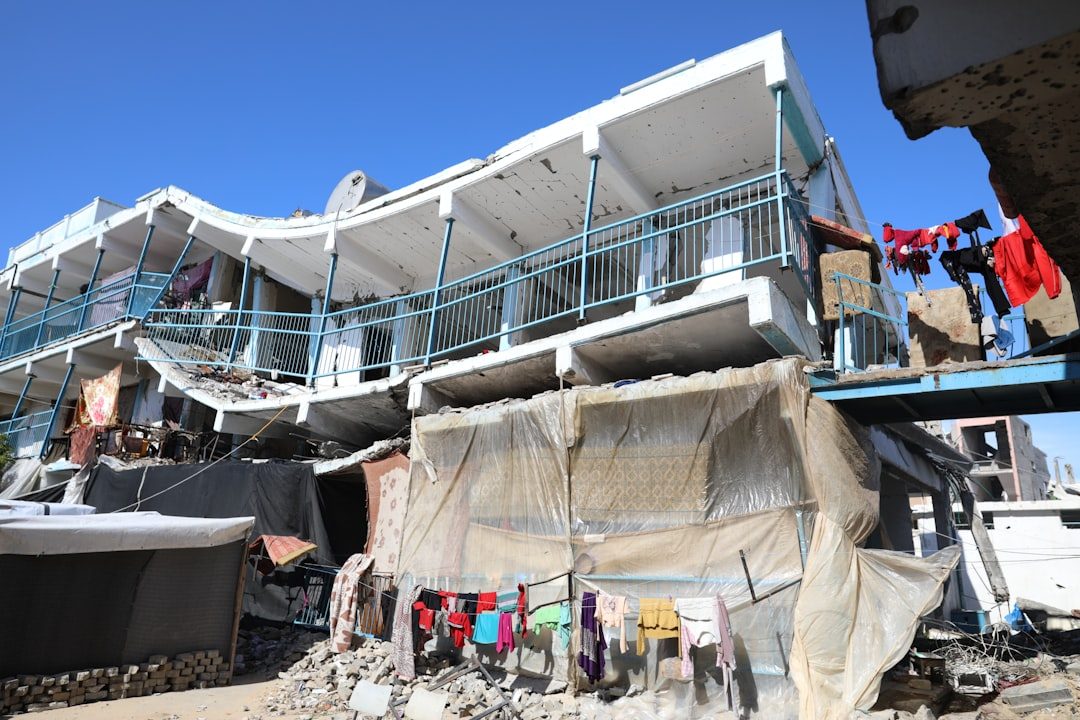
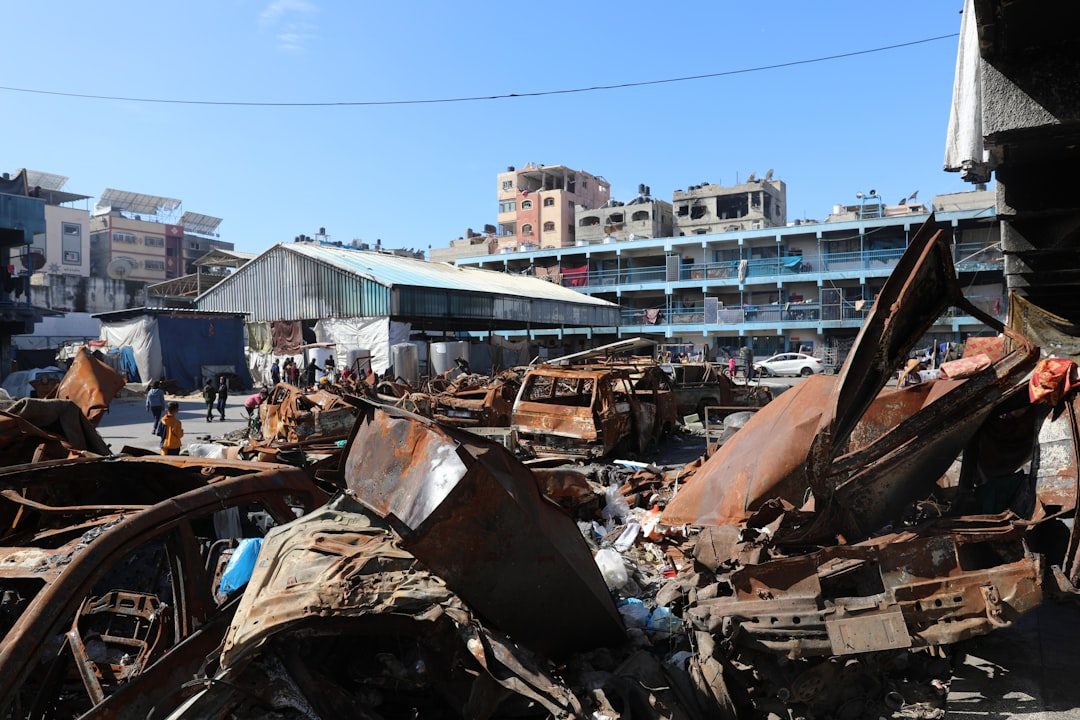
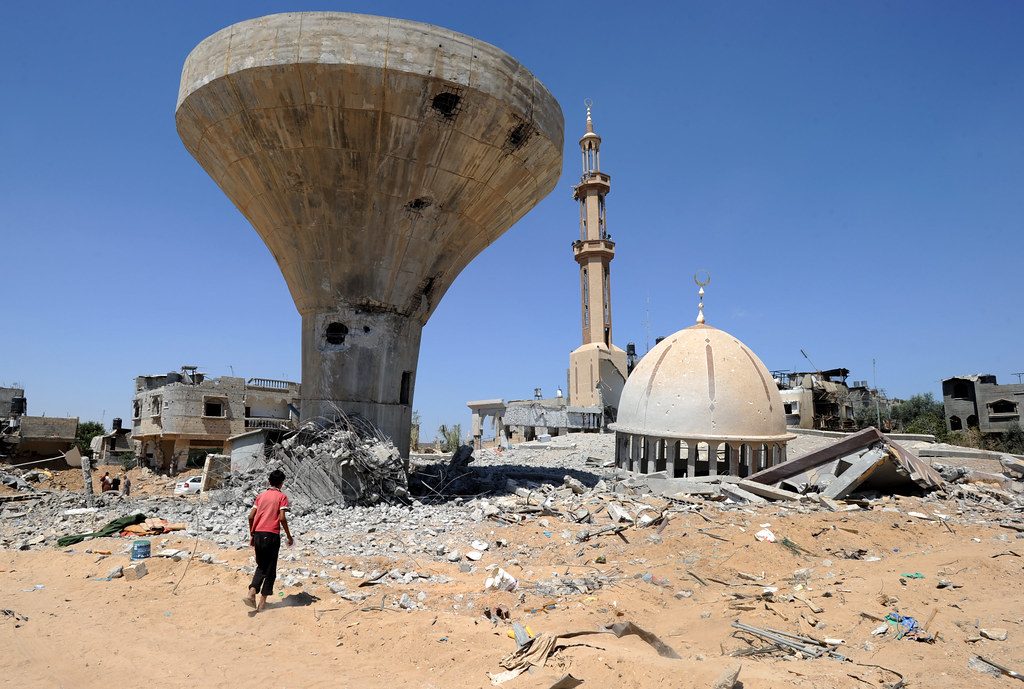
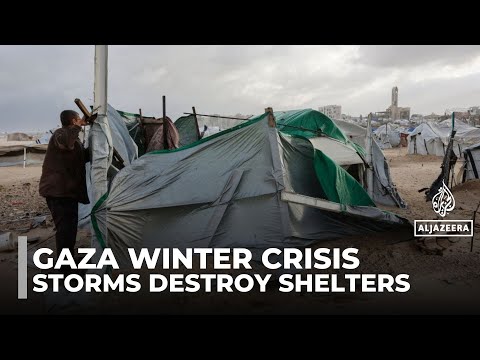
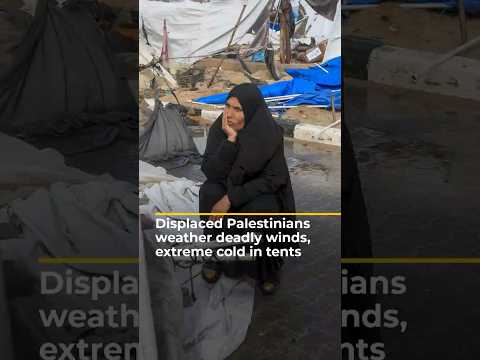
A severe winter storm killed at least 8 Palestinians in Gaza on January 13, 2026, collapsing war-damaged walls onto tent camps and freezing children to death overnight. The dead include a 7-day-old infant, a 1-year-old boy, and a 4-year-old girl who died of hypothermia—the latest in at least 21 cold-weather deaths since winter began. Over 1.1 million people remain in urgent need of shelter assistance as 81% of Gaza's structures have been destroyed or damaged.

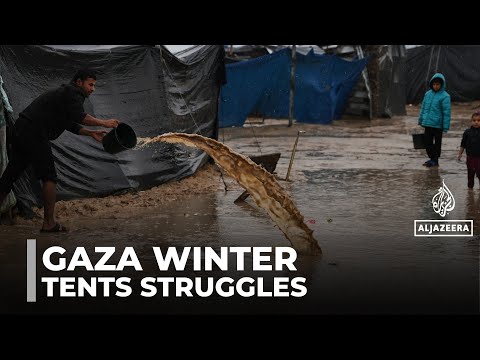
This is Gaza's third consecutive winter of mass displacement since Israel's military campaign began in October 2023. Despite a fragile ceasefire in place since October 2025, aid deliveries remain at 43% of agreed levels, Israel has banned 37 international aid organizations including Doctors Without Borders, and the shelter funding gap stands at 74%. The UN reports 42,000 tents damaged in recent storms, with blanket and heating shortages exceeding 70%.

Key Indicators

1.1M
People needing urgent shelter
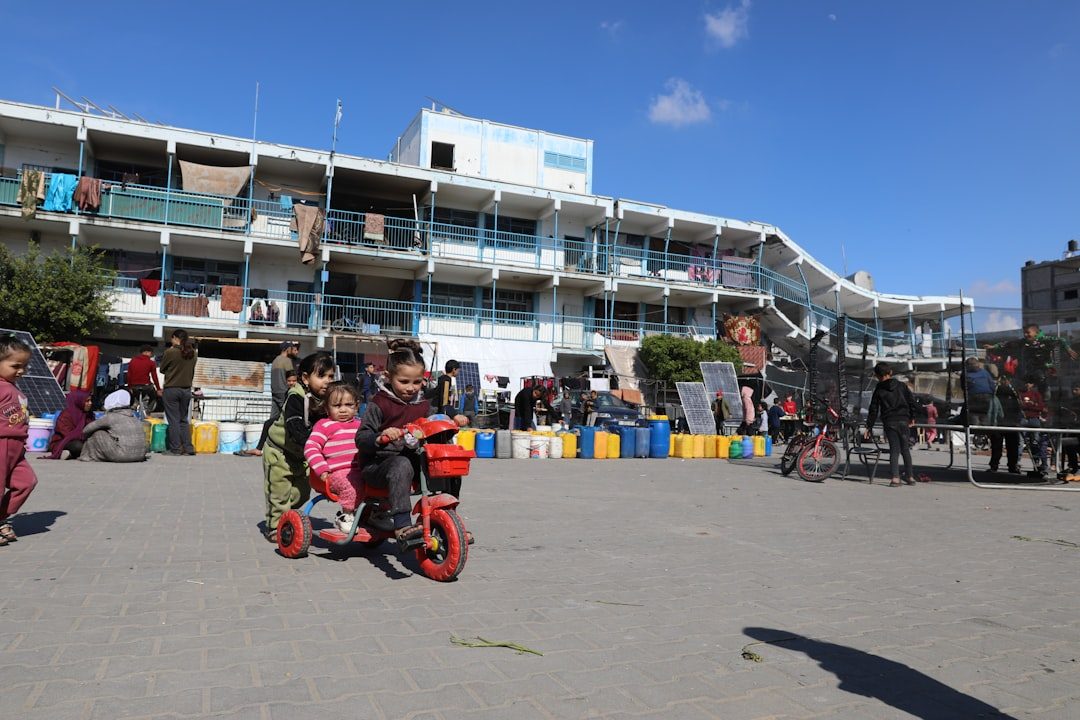
More than half of Gaza's 2.1 million population lacks adequate winter protection
81%
Structures damaged or destroyed
UN satellite analysis found 198,273 affected structures as of October 2025
21+
Cold-weather deaths this winter
Mostly children, including infants who froze in unheated tents
74%
Shelter funding gap
Only $29 million of $112 million needed for winter assistance has been received
42,000
Tents damaged since December
Winter storms have destroyed or partially damaged makeshift shelters across Gaza
37
Aid groups banned by Israel
Including MSF, Norwegian Refugee Council, and Oxfam, effective January 1, 2026

People Involved

Philippe Lazzarini
Philippe Lazzarini
UNRWA Commissioner-General (Leading agency operations despite Israeli restrictions)
Benjamin Netanyahu
Benjamin Netanyahu
Prime Minister of Israel (Facing ICC arrest warrant while managing ceasefire)
Stéphane Dujarric
Stéphane Dujarric
UN Spokesperson (Active)

Organizations Involved

United Nations Relief and Works Agency for Palestine Refugees in the Near East (UNRWA)
UN Agency
Status: Operations restricted by Israeli legislation since January 2026

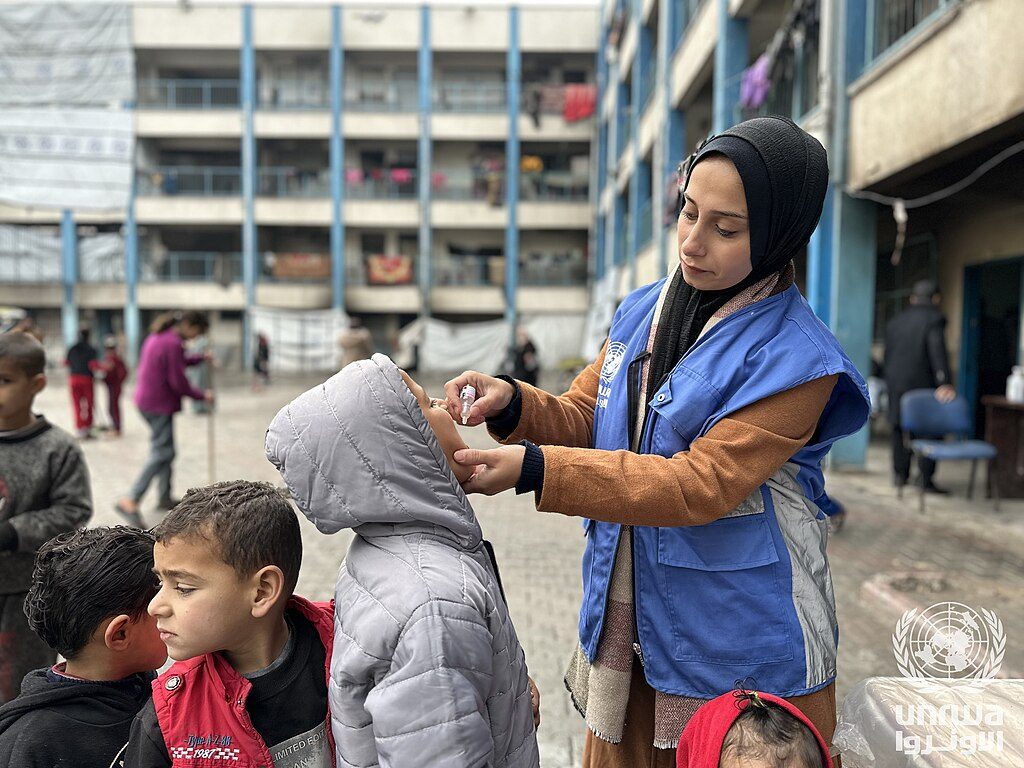
The primary UN agency providing services to Palestinian refugees, currently delivering 40% of primary healthcare in Gaza and serving nearly 300,000 children through education programs.

DO
Doctors Without Borders (Médecins Sans Frontières)
International Medical NGO
Status: Banned from Gaza by Israel as of January 1, 2026

Nobel Prize-winning medical humanitarian organization that was supporting 20% of Gaza's hospital beds and a third of births before Israel revoked its operating license.

SH
Shelter Cluster
Humanitarian Coordination Body
Status: Active, coordinating emergency shelter response

Inter-agency coordination mechanism for humanitarian shelter response, led by UNHCR and the Norwegian Refugee Council.

Timeline

  1. Winter Storm Kills 8 as Buildings Collapse

    Humanitarian

    Fierce winds collapse an 8-meter wall onto a family's tent, killing three generations of the Hamouda family. Separately, a 1-year-old, 7-day-old infant, and 4-year-old girl die of hypothermia overnight.

  2. Cold Claims Lives of 21 Displaced Palestinians

    Humanitarian

    Middle East Monitor reports 21 Palestinians, mostly children, have died from extreme cold in displacement camps since winter began.

  3. Israel Bans 37 Aid Organizations

    Humanitarian

    Operating licenses revoked for MSF, Norwegian Refugee Council, Oxfam, and others for failing to meet new registration requirements.

  4. ICC Issues Netanyahu Arrest Warrant

    Legal

    International Criminal Court issues arrest warrants for Netanyahu and former defense minister Gallant for "starvation as a method of warfare."

  5. Third Ceasefire Begins

    Diplomatic

    Trump-brokered peace plan takes effect. Israel agrees to allow 600 aid trucks daily, later reduced to 300.

  6. UN Declares Famine in Gaza

    Humanitarian

    The IPC officially declares famine in Gaza Governorate, with likely spread to Deir al-Balah and Khan Yunis within a month.

  7. Israel Breaks Ceasefire with Major Strikes

    Military

    Operation Might and Sword kills over 400 Palestinians in surprise attacks. Netanyahu declares Israel has "resumed combat in full force."

  8. Israel Halts Aid Entry to Gaza

    Humanitarian

    Following breakdown of ceasefire negotiations, Israel blocks humanitarian aid. The 11-week blockade causes food prices to rise 1,400% and at least 58 starvation deaths.

  9. Second Ceasefire Takes Effect

    Diplomatic

    Israel-Hamas ceasefire begins under US, Qatari, and Egyptian mediation. Phase one includes hostage exchanges and increased aid entry.

  10. 110,000 Tents Rendered Unusable

    Humanitarian

    Gaza Government Media Office reports strong winds and heavy rainfall have "completely deteriorated" 110,000 out of 135,000 tents used by displaced Palestinians.

  11. First Infant Deaths from Hypothermia

    Humanitarian

    Palestinian doctors report four infants "froze to death" over three days as temperatures drop in displacement camps lacking heating.

  12. First Temporary Ceasefire Begins

    Diplomatic

    A seven-day pause allows hostage exchanges and limited aid entry. The ceasefire collapses after Hamas releases 105 hostages.

  13. Israel Launches Ground Invasion of Gaza

    Military

    Israeli forces enter Gaza after 20 days of airstrikes that dropped approximately 6,000 bombs. Mass displacement begins.

  14. Hamas Attack Triggers War

    Conflict

    Hamas-led militants attack Israel, killing 1,195 people and taking 251 hostages. Israel declares war and begins mobilizing 300,000 reservists.

Scenarios

1

Ceasefire Holds, Aid Access Improves

Discussed by: Turkish Foreign Ministry, UN officials, US administration

Turkey expects phase two of the ceasefire to begin in early 2026, which could include a permanent end to hostilities and full Israeli withdrawal. Trump administration plans to announce an International Stabilization Force and Palestinian technocratic government for Gaza. This would require Netanyahu to reverse aid organization bans and meet the 600-truck daily commitment. Success depends on hostage releases satisfying Israeli demands.

2

Ceasefire Collapses, Fourth Round of Fighting

Discussed by: Al Jazeera analysis, Gaza Government Media Office, regional analysts

Israel has attacked Gaza on 80 of the past 95 days despite the ceasefire, with 1,193 documented violations and 447 additional deaths since October 10, 2025. The pattern mirrors the March 2025 collapse when Netanyahu declared combat resumed "in full force." Any breakdown in hostage negotiations or perceived Hamas provocation could trigger another major offensive.

3

Mass Casualty Event from Winter Conditions

Discussed by: ICRC, Shelter Cluster, UN agencies

With 74% of winter funding unfilled, 37 aid organizations banned, and over 1 million people in inadequate shelter, humanitarian agencies warn of catastrophic outcomes if severe weather continues. A major storm could damage the remaining tent infrastructure at scale. The Kurdish refugee crisis of 1991 saw 1,000-1,500 deaths per day during peak exposure—Gaza's current conditions place similar numbers at risk.

4

International Intervention Forces Aid Access

Discussed by: ICJ rulings, UN Human Rights Council, aid organizations

The October 2025 ICJ ruling found Israel obligated to guarantee sufficient food to Gazans and allow UNRWA to operate. Growing international pressure—including the ICC arrest warrants and widespread condemnation of the NGO ban—could force policy changes. However, enforcement mechanisms remain limited, and similar rulings in 2024 produced minimal compliance.

Historical Context

Kurdish Exodus (1991)

March-April 1991

What Happened

After the failed uprising against Saddam Hussein, 1.5 million Iraqi Kurds fled to mountainous border regions with Turkey and Iran. Lacking food, shelter, and heating in freezing conditions, refugees died at rates of 1,000-1,500 per day. Estimates suggest 48,400 to 140,600 Kurds starved to death, with thousands more dying from exposure—particularly children and the elderly.

Outcome

Short Term

The crisis prompted Operation Provide Comfort, with US airdrops of 7,000 tons of aid and establishment of a "safe haven" in northern Iraq.

Long Term

The no-fly zone protecting Kurdish areas became the foundation for Iraqi Kurdistan's autonomous governance, lasting until 2003.

Why It's Relevant Today

Both crises feature mass displacement into inadequate shelter during winter, with access restrictions limiting aid delivery. The Kurdish death toll demonstrates the mortality potential when exposed populations lack protection from cold—a risk Gaza faces with 1.1 million in urgent need of shelter.

Siege of Srebrenica (1992-1995)

April 1992-July 1995

What Happened

Srebrenica's population swelled from 9,000 to 60,000 as refugees fled ethnic cleansing across eastern Bosnia. Bosnian Serb forces blocked humanitarian aid, causing starvation to peak in winter 1992-1993. Refugees lived in overcrowded conditions without clean water, food, or adequate shelter. The UN declared it a "safe area" in April 1993.

Outcome

Short Term

US-led airdrops provided temporary relief, but the siege continued with intermittent aid access.

Long Term

The enclave fell in July 1995, resulting in the massacre of over 8,000 Bosniak men and boys—the worst mass killing in Europe since World War II.

Why It's Relevant Today

Srebrenica illustrates how UN "safe area" designations and limited aid corridors fail to protect besieged populations when military forces control access. Gaza's displaced face similar dynamics: international legal protections exist on paper while aid remains below critical thresholds.

Rwandan Refugee Crisis (1994)

July-August 1994

What Happened

After the genocide, 1.2 million Rwandans fled to camps in Zaire (now DRC) within days. Cholera and dysentery killed refugees at rates of 19-31 deaths per 10,000 per day—levels that would have eliminated the entire population within a year if sustained. Over 90% of first-month deaths came from disease outbreaks in overcrowded camps.

Outcome

Short Term

International response eventually controlled the epidemic, but an estimated 50,000 refugees died in the first month alone.

Long Term

The crisis reshaped humanitarian response protocols, leading to the Sphere Standards for minimum humanitarian assistance.

Why It's Relevant Today

Rwanda demonstrates how rapidly mortality escalates when displaced populations concentrate in unsanitary conditions without adequate services—a pattern Gaza's 862 displacement sites replicate with 1 million residents and damaged water infrastructure.

12 Sources: