
Pull to refresh
Logo
Appeals court voids manatee habitat ruling after 'harm' definition rescinded

Appeals court voids manatee habitat ruling after 'harm' definition rescinded

Rule Changes

Endangered Species Act's habitat protection is gone; Florida case sent back to district court

Yesterday: Eleventh Circuit vacates manatee ruling

Overview

Updated 1 hour ago

A federal appeals court threw out a ruling that blamed Florida's sewage permits for manatee deaths in the Indian River Lagoon. The reason: the U.S. Fish and Wildlife Service had rewired the Endangered Species Act's definition of 'harm' two weeks before oral argument.

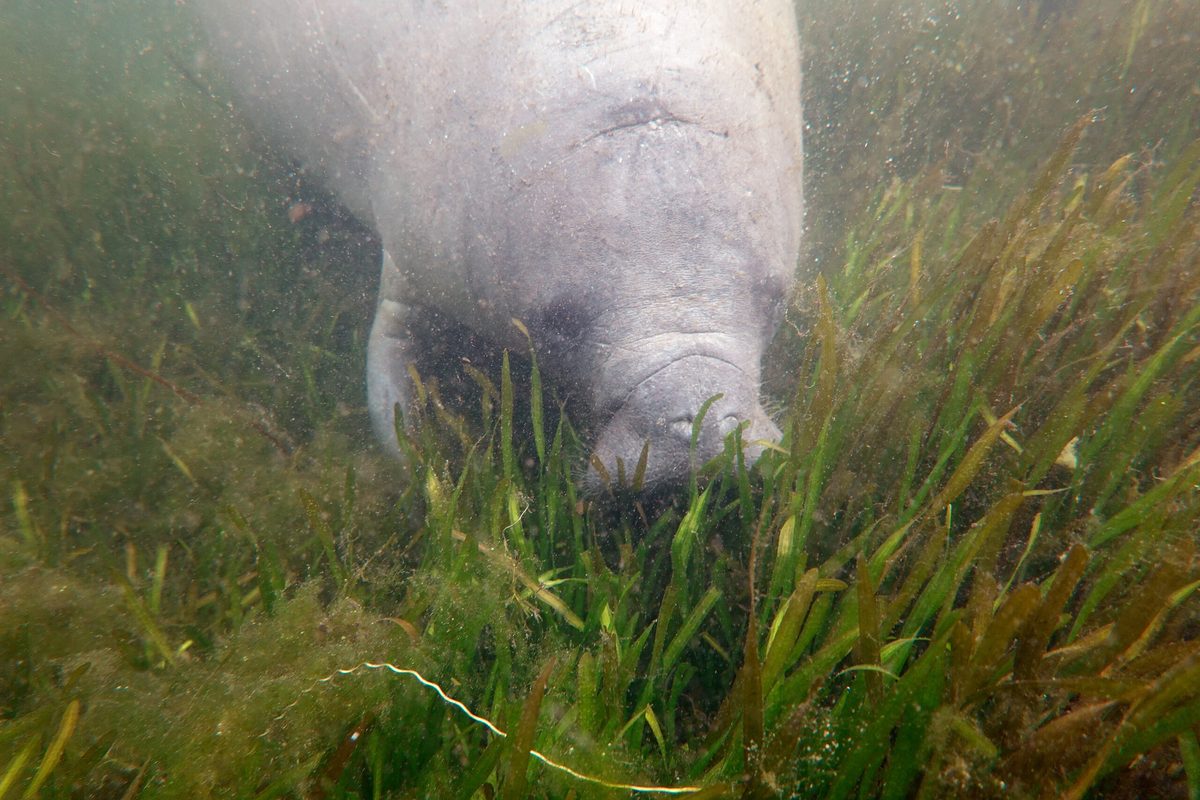
For more than 40 years, 'harm' included any habitat modification that kills or injures listed wildlife. That definition is what let a district court rule in 2025 that Florida was illegally 'taking' manatees by letting sewage kill the seagrass they eat. The agency rescinded that definition in September, and the Eleventh Circuit said the case must be re-examined under the narrower standard — one that requires proof a defendant deliberately targeted a specific animal.

The ruling is the first major court decision to apply the policy change. The Justice Department is defending the rescission in four federal cases, and conservation groups have sued to restore the old definition, warning it strips the Act of its main tool against habitat destruction — the leading driver of manatee deaths.

Why it matters

If this 'take' standard holds, destroying habitat that kills endangered wildlife no longer violates the Endangered Species Act.

Questions about this story

Free account needed to ask — your question is kept and asked for you right after sign-up. Answers are public.

No questions yet — be the first to ask.

Key Indicators

4
Federal cases where DOJ defends the rescission
Summary judgment motions filed in courts in Northern California and the District of South Carolina.
40+
Years 'harm' covered habitat damage
The definition stood from the early 1980s until September 2026.
70,000
Acres of seagrass in the North Indian River Lagoon
The historical forage area the district court said Florida's sewage regime degraded.

Voices

Curated perspectives — historical figures and your fellow readers.

Ever wondered what historical figures would say about today's headlines?

Sign up to generate historical perspectives on this story.

People Involved

Organizations Involved

Timeline

March 1995 October 2026

6 events Latest: Yesterday
Tap a bar to jump to that date
  1. Rescission takes effect; narrowing memo signed

    Rule Change

    The rule becomes effective. FWS Director Brian Nesvik issues guidance limiting 'take' to deliberate acts on specific animals.

  2. Agencies finalize 'harm' rescission

    Rule Change

    Fish and Wildlife Service and National Marine Fisheries Service publish a rule stripping habitat damage from the 'harm' definition.

Scenarios

1

District court dismisses manatee suit under narrowed 'take' standard

Likely Resolves by Q2 2027

Discussed by: Justice Department filings and FDEP's arguments on remand

On remand, Florida argues its sewage permits cannot be a 'take' because the state never deliberately targeted a specific manatee. Applying the rescinded definition, the district court grants summary judgment for FDEP and dismisses the case.

2

Challenge to 'harm' rescission succeeds, definition restored

Possible Resolves by Q3 2027

Discussed by: Save the Manatee Club and environmental law clinics challenging the rule

Conservation groups win one of the four challenges in California or South Carolina. A federal court rules the rescission unlawfully reads intent into the statute and reinstates habitat modification as 'harm,' reviving the legal basis for the manatee suit.

3

Circuit split on 'harm' reaches the Supreme Court

Possible Resolves by End of 2027

Discussed by: Administrative law scholars tracking agency deference cases

A different circuit upholds the old definition, creating a direct conflict with the Eleventh Circuit's approach. The Supreme Court grants certiorari to settle whether 'take' requires deliberate intent against a specific animal, overshadowing the Florida case.

Historical Context

2 moments from history that rhyme with this story — and how they unfolded.

March 1995

Babbitt v. Sweet Home (1995)

The Supreme Court sided with the Fish and Wildlife Service, ruling 6-3 that 'harm' under the Endangered Species Act includes habitat modification that kills or injures listed species. Justice Antonin Scalia dissented, arguing 'take' should cover only deliberate acts against specific animals.

Then

The habitat-based definition stood for another 30 years, and agencies kept regulating habitat destruction as a form of take.

Now

Scalia's dissent became the blueprint the agencies adopted in 2026 after the Supreme Court ended Chevron deference.

Why this matters now

The current rescission implements the exact reading the Supreme Court rejected 6-3 in 1995.

June 2024

Loper Bright Enterprises v. Raimondo (2024)

The Supreme Court struck down Chevron deference, which had told courts to defer to agencies' reasonable readings of ambiguous statutes. That doctrine was the reason the 1995 Court upheld the broad 'harm' definition.

Then

Federal agencies lost the presumption that their statutory interpretations would survive judicial review.

Now

Free from Chevron, Fish and Wildlife officials reinterpreted 'harm' by the statute's plain language — reaching the opposite result.

Why this matters now

The rescission openly cites Loper Bright as the legal basis for abandoning the 40-year-old definition.

Sources

(8)