

Pull to refresh
Logo
Environmental and health groups sue EPA over power plant climate rule repeal

Environmental and health groups sue EPA over power plant climate rule repeal

Rule Changes

Lawsuit challenges the administration's rollback of carbon limits for coal and gas plants

Yesterday: Six groups file lawsuit in DC Circuit

Overview

Updated 1 hour ago

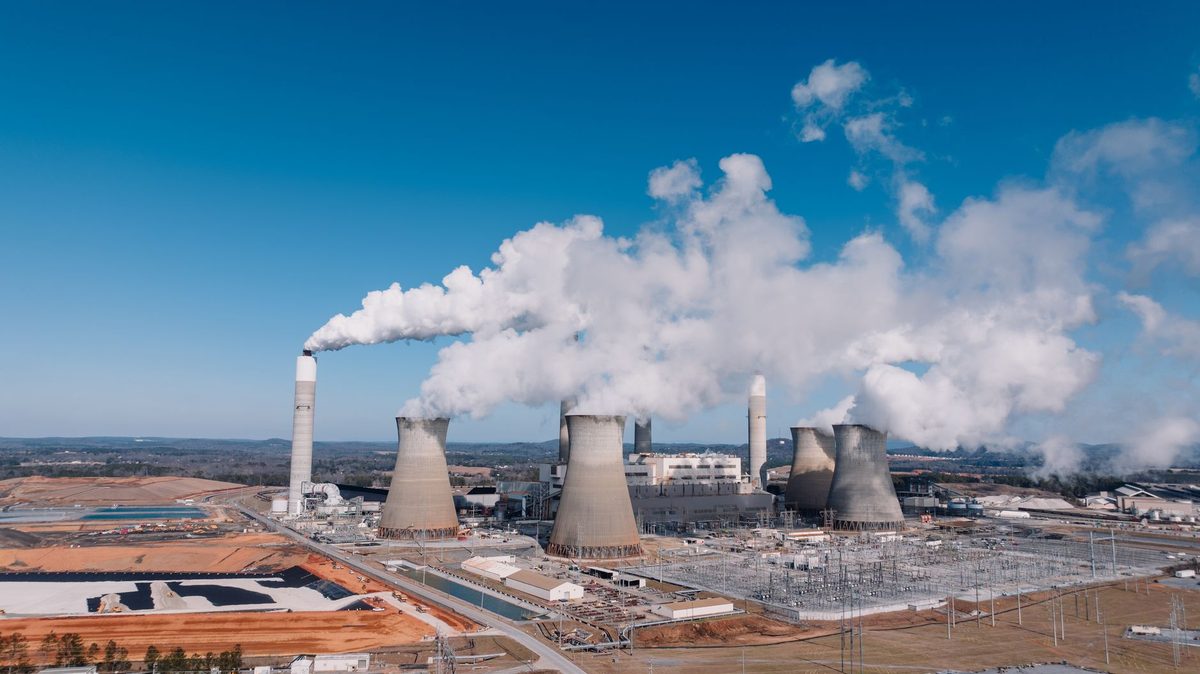
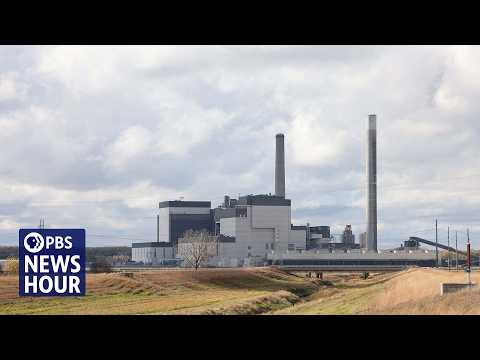
Six public health and environmental groups filed suit September 17 to block the Environmental Protection Agency's repeal of carbon pollution limits for power plants. The repeal, finalized three days earlier, eliminated a requirement that existing coal plants and new gas plants capture 90% of their carbon dioxide emissions.

The lawsuit argues the repeal violates the Clean Air Act, which requires EPA to regulate greenhouse gases that endanger public health. Power plants produce about a quarter of US carbon emissions, and the scrapped 2024 standards were projected to deliver $370 billion in net climate and health benefits.

Why it matters

If this repeal stands, US power plants—about a quarter of national carbon emissions—will face no federal limits on their climate pollution.

Questions about this story

Free account needed to ask — your question is kept and asked for you right after sign-up. Answers are public.

No questions yet — be the first to ask.

Key Indicators

$370B
Projected net health and climate benefits of the repealed standards
The 2024 standards were estimated to deliver benefits roughly 20 times their costs to industry.
$310B
EPA's estimated savings from the repeal
The administration projected the rollback would save industry $310 billion.
25%
Share of US carbon emissions from fossil-fuel power plants
Power plants are the single largest source of US carbon emissions.
1.38B metric tons
Carbon the standards would have prevented through 2047
Equivalent to taking 328 million gas-powered cars off the road for a year.
90%
CO2 capture rate required by the repealed standards
Applied to existing coal plants and new gas-fired plants beginning in the 2030s.

Voices

Curated perspectives — historical figures and your fellow readers.

Ever wondered what historical figures would say about today's headlines?

Sign up to generate historical perspectives on this story.

People Involved

Organizations Involved

Timeline

April 2007 September 2026

9 events Latest: Yesterday
Tap a bar to jump to that date
  1. EPA finalizes repeal of carbon standards

    Regulatory

    Administrator Lee Zeldin eliminates the 2024 power plant carbon pollution standards.

  2. Carbon pollution standards finalized

    Regulatory

    Biden EPA requires 90% CO2 capture at existing coal and new gas plants by the 2030s.

  3. Affordable Clean Energy rule replaces Clean Power Plan

    Regulatory

    Trump EPA replaces the Clean Power Plan with weaker standards allowing more emissions.

  4. Clean Power Plan finalized

    Regulatory

    Obama EPA finalizes rule targeting 32% power sector CO2 cuts by 2030.

  5. EPA issues endangerment finding

    Regulatory

    EPA concludes carbon dioxide threatens public health and welfare, creating its legal obligation to regulate.

Scenarios

1

D.C. Circuit vacates EPA's power plant rule repeal

Uncertain Resolves by End of 2027

Discussed by: Environmental groups and legal analysts who note the DC Circuit vacated a similar Trump-era rollback in 2021

The court finds the EPA failed to justify eliminating standards the Clean Air Act requires, particularly given the health and climate costs of increased carbon pollution. It vacates the repeal and keeps the 2024 standards in place while EPA develops a new analysis.

2

D.C. Circuit upholds EPA's repeal

Uncertain Resolves by End of 2027

Discussed by: Administration officials who expect deference to EPA's technical judgment

The court accepts the EPA's argument that the 2024 standards produced 'virtually no benefits' and that costs outweighed gains. The repeal stands, and power plants face no federal carbon limits unless Congress passes new legislation.

3

EPA finalizes full rescission before court rules

Possible Resolves by End of 2027

Discussed by: NPR and The Hill, noting EPA's proposal to eliminate all remaining GHG standards

The EPA finalizes its separate rule rescinding all remaining greenhouse gas standards for power plants before the DC Circuit decides the partial repeal case. The litigation shifts to the new rule, and the earlier standards stay off the books regardless of how the court rules.

Historical Context

3 moments from history that rhyme with this story — and how they unfolded.

April 2007

Massachusetts v. EPA (2007)

Twelve states and environmental groups sued the EPA to force it to regulate greenhouse gases. The Supreme Court ruled 5-4 that CO2 qualifies as an air pollutant under the Clean Air Act and that EPA had to decide whether it endangers public health.

Then

EPA issued its endangerment finding in 2009, creating the legal basis for all federal climate regulations.

Now

Established that greenhouse gases fall under the Clean Air Act, making regulation EPA's statutory duty.

Why this matters now

The current lawsuit rests on the same legal foundation: the Clean Air Act's mandate to regulate dangerous air pollutants.

January 2021

American Lung Association v. EPA (2021)

The DC Circuit vacated the Trump administration's Affordable Clean Energy rule, which had replaced the Obama-era Clean Power Plan. The court found EPA's analysis of power plant emissions contributions was flawed and ordered the agency to rewrite the rule.

Then

The decision forced EPA to develop new carbon standards, which became the 2024 rules now under challenge.

Now

Set a precedent that deregulatory actions need rigorous, comprehensive analysis to survive judicial review.

Why this matters now

The same groups now suing EPA won this 2021 case, showing the DC Circuit has previously blocked deregulatory power plant rules.

June 2022

West Virginia v. EPA (2022)

The Supreme Court ruled 6-3 that EPA cannot use the Clean Air Act to mandate a shift from fossil fuels to cleaner energy across the power grid, absent specific congressional authorization. The Court limited EPA to control measures applied at individual power plants.

Then

EPA designed the 2024 carbon standards around plant-specific technologies like carbon capture.

Now

Defined the boundary of EPA's authority, requiring climate regulation to use plant-level controls rather than system-wide generation shifts.

Why this matters now

The 2024 standards were crafted to fit within West Virginia's limits. The current lawsuit argues the repeal was unlawful regardless of those boundaries.

Sources

(10)