Anchor

21 states challenge Endangered Species Act rule changes in two lawsuits
Rule ChangesWashington co-leads coalition targeting 'harm' definition and critical habitat rules
Yesterday: 21 states file two lawsuitsNew here? Follow stories to track developments over time. Create a free account to get updates when stories you care about change.
Overview
Updated 1 hour agoHabitat destruction that kills endangered wildlife no longer counts as 'harm' under a July federal rule change. Twenty-one states filed two lawsuits Wednesday to overturn it, arguing the rewrite strips the law of its primary habitat protection tool.
Washington Attorney General Nick Brown co-led the coalition with California, Maryland, and Massachusetts. The suits target three rule changes affecting species like Southern Resident killer whales and Pacific salmon, whose survival depends on intact habitat.
Why it matters
If the rules stand, developers and energy companies can degrade endangered species habitats without triggering penalties under a law protecting more than 1,600 species.
Questions about this story
Free account needed to ask — your question is kept and asked for you right after sign-up. Answers are public.
No questions yet — be the first to ask.
Key Indicators
21
States in the lawsuit coalition
Four co-lead states plus 17 others spanning both coasts.
1,600+
Species protected by the ESA
The law has safeguarded plants and animals since 1973.
99%
Listed species saved from extinction
Includes the bald eagle, California condor, and grizzly bear.
74
Southern Resident killer whales remaining
Down from 98 whales in 1995; listed as endangered in 2005.
Related Media

About Nick Brown | Washington State
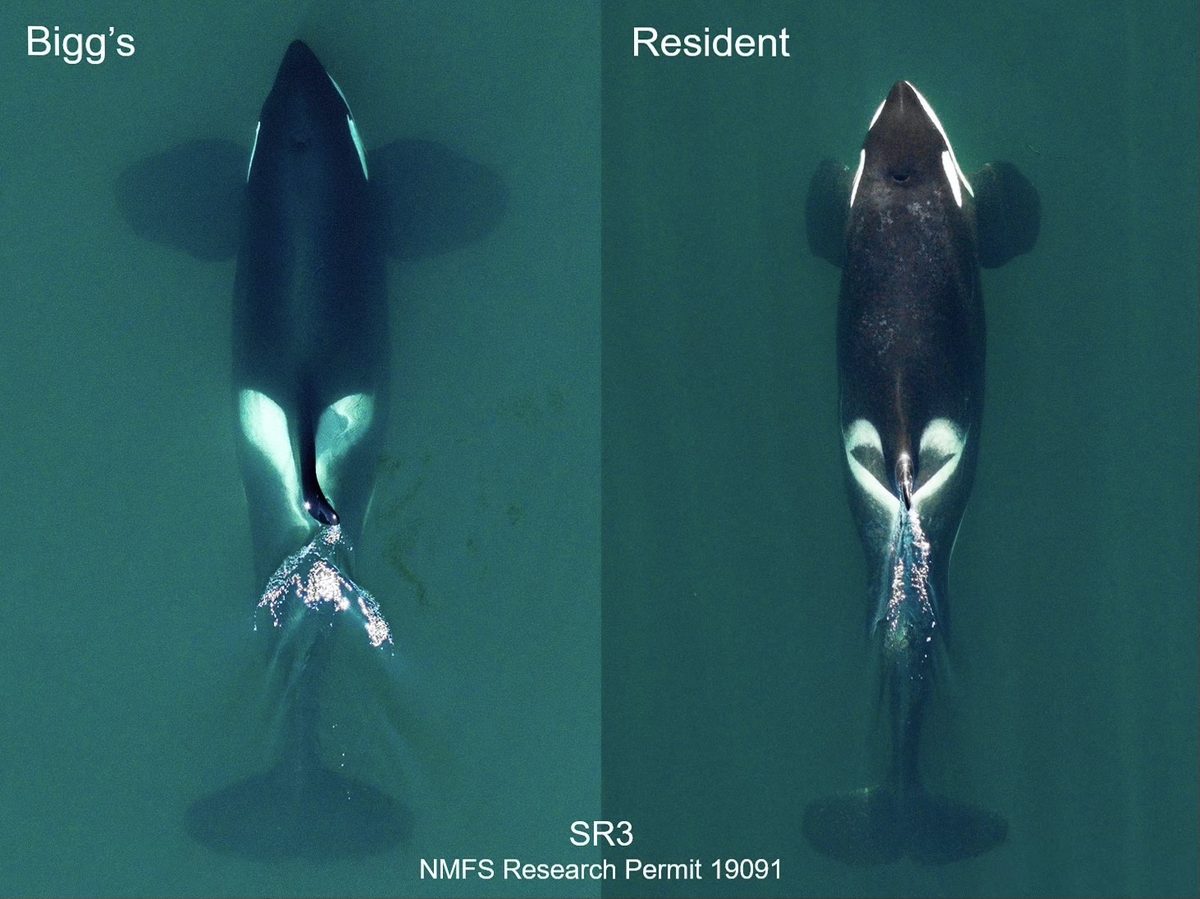
New killer whale species: Bigg's and resident killer whales | NOAA Fisheries
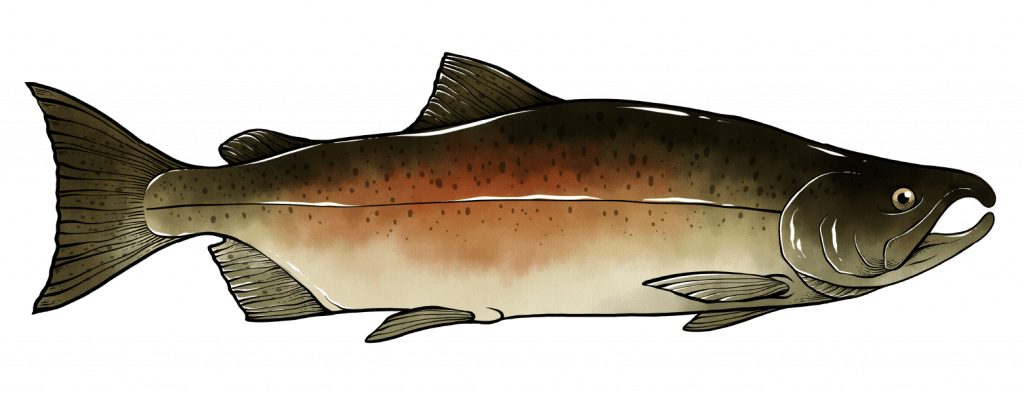
Pacific Salmon Species Spotlight - Pacific Wild

2.8K views
0:38
Oregon, Washington sue feds over changes to Endangered ...
KGW News

1.1K views
0:50
Washington joins 20 other states in lawsuit over Endangered ...
KREM 2 News

688 views
0:59
Rob Bonta challenges Trump administration plan to revise ...
ABC10
Images from Openverse under Creative Commons licenses. Videos from YouTube.
Voices
Curated perspectives — historical figures and your fellow readers.
Play
Exploring all sides of a story is often best achieved with Play.
Most of these play right now — no account needed. Sign up to save scores, keep a streak, and unlock Debate and Predict.
Log in
Sign Up
Higher or Lower
A number from this story, against one from elsewhere in the news — guess which is bigger, then keep the chain going. 5 rounds, 3 strikes; a miss costs a strike and resets your streak.
Example
Anchor
EU tariff revenue
$52B
Big for this kind of number
Mystery
Pentagon AI contract
?
Round 1
Streak: 0
Mystery
?
Keyboard: ↓/L lower · ↑/H higher
0 pts
Best streak: 0 · Rounds: 0
0 points — sign up to put that on the leaderboard.
Now try on this story
Connections
Sixteen names from the news. Find the four hidden groups of four. Four mistakes max.
Loading today's puzzle…
0/4 groups
Mistakes
Sign up to keep a daily streak — a new puzzle lands every day.
Now try on this story
Exit debate?
Your progress in this debate will be lost.
How it works
- 1 Two AI personas square off on this story.
- 2 You predict who'll win each round — correct picks earn XP.
- 3 One crossfire question is yours to fire. Pick it carefully.
Couldn't generate a topic
Select Your Champions
Choose one persona for each side of the debate
DEBATE TOPIC
Choose personas with different perspectives for a more dynamic debate.
SIDE A (PRO)
Select debater for this side:
No debate personas available right now.
SIDE B (CON)
Select debater for this side:
No debate personas available right now.
VS
Get ready to make your prediction...
Round of
Claim
Evidence
Stakes
Crossfire Answer
Closing Statement
Claim
Evidence
Stakes
Crossfire Answer
Closing Statement
Your Crossfire Question
Generating arguments...
Who's Got This Round?
Make your prediction before the referee scores
The referee scores both sides on
Correct predictions earn +20 XP
· Press 1 or 2 to pick
Evidence
40%
Logic
30%
Detail
20%
Style
10%
Round Results
Your Pick
Not this time
(%)
Overall Score
/10
Your Pick
Not this time
(%)
Overall Score
/10
Set the Crossfire
Pick the question both personas must answer in the final round
Crafting crossfire questions...
Choosing a question earns +10 XP crossfire bonus
🏆
Total XP Earned
Cred Change
Predictions
Debate Oracle! You called every round!
Sharp Instincts! You know your debaters!
The Coin Flip Strategist! Perfectly balanced!
The Contrarian! Bold predictions!
Inverse Genius! Try betting the opposite next time!
XP Breakdown
Base completion
+20 XP
Rounds played ( rounds x 5 XP)
+ XP
Correct predictions ( correct x 20 XP)
+ XP
Crossfire bonus
+10 XP
Accuracy
%
Prediction History
Round
You picked:
✓
✗
Now try on this story
Keep debating to level up your credibility and unlock achievements
People Involved
Organizations Involved
U.S. Fish and Wildlife Service
Federal Agency
Defendant in both lawsuits
Interior Department agency that administers the Endangered Species Act for land and freshwater species.
National Marine Fisheries Service
Federal Agency
Defendant in both lawsuits
Commerce Department agency that administers the Endangered Species Act for marine and anadromous species.
Washington State Attorney General's Office
State Government Office
Lead plaintiff coordinating the coalition
Lead plaintiff and coordinator of the 21-state coalition challenging the federal rules.
Timeline
December 1973 September 2026
6 events
Latest: Yesterday
Tap a bar to jump to that date
-
21 states file two lawsuits
Latest LegalCoalition led by Washington, California, Maryland, and Massachusetts sues FWS and NMFS over the rule changes.
-
Final rules published in Federal Register
RegulatoryFWS and NMFS publish rules rescinding 'harm' definition, ending automatic threatened species protections, and changing critical habitat process.
-
Loper Bright ends Chevron deference
LegalSupreme Court overturns Chevron, ending automatic court deference to agency interpretations.
-
Southern Resident killer whales listed as endangered
RegulatoryNMFS lists the Southern Resident orca population under the ESA.
-
Sweet Home v. Babbitt upholds habitat protections
LegalSupreme Court rules 6-3 that habitat modification can count as 'harm' under the ESA.
-
Endangered Species Act signed into law
LegislationPresident Nixon signs the ESA, creating federal protections for species at risk of extinction.
Historical Context
3 moments from history that rhyme with this story — and how they unfolded.
June 1995
Sweet Home Chapter of Communities v. Babbitt (1995)
The Supreme Court ruled 6-3 that the Interior Department's definition of 'harm' under the Endangered Species Act could include habitat modification that injures or kills listed wildlife. Logging companies and landowners challenged the definition as an overreach.
Then
The habitat-modification definition survived, cementing habitat protection as a core ESA enforcement tool.
Now
For three decades, the definition required federal agencies to consider how development projects degrade listed species' habitats.
Why this matters now
The 2026 rule rescinds exactly this definition. The states argue Sweet Home is binding precedent the agencies cannot ignore.
August 2019
2019 ESA regulatory revisions
The 2019 Trump administration finalized rules narrowing the 'foreseeable future' standard for threatened listings and easing economic analysis requirements for critical habitat. Environmental groups sued.
Then
Courts later vacated portions of the rules, and the changes were partially reversed or revised.
Now
The 2019 changes foreshadowed the sharper 2026 rollback.
Why this matters now
The 2026 changes go further, rescinding the 'harm' definition outright and eliminating automatic protections for threatened species, making this challenge sharper than the 2019 round.
June 2024
Loper Bright Enterprises v. Raimondo (2024)
The Supreme Court overturned Chevron deference, which had required courts to defer to agencies' reasonable interpretations of ambiguous statutes. The decision shifted interpretive authority from agencies to judges.
Then
Agencies lost the benefit of the doubt in statutory interpretation disputes.
Now
Regulatory challenges now turn on plain-text readings of statutes rather than agency expertise.
Why this matters now
The states argue the ESA's plain text supports habitat protections. Without Chevron, the court must decide that meaning itself.
Sources
(6)Related Stories
Patagonia, tribes sue Trump over Utah monument shrink
Rule Changes
Updated 4 days ago
Trump signs order directing gray wolf delisting review
Rule Changes
Updated 3 days ago
EPA seeks more comments on rule narrowing Clean Water Act wetlands protections
Rule Changes
Updated 5 days ago
Who decides if a pipeline gets built?
Rule Changes
Updated May 21
A judge just froze HUD’s homelessness funding rewrite—and put “housing first” back on life support
Rule Changes
Updated May 15
Utah adds 450 elk hunting permits as drought strains herds
Rule Changes
Updated 5 days ago