



Pull to refresh
Logo
Voters reject industry-backed environmental measures and data center projects

Voters reject industry-backed environmental measures and data center projects

Rule Changes

Conservation, water and data-center questions drew voters to the ballot in at least ten states

Overview

Updated 1 hour ago

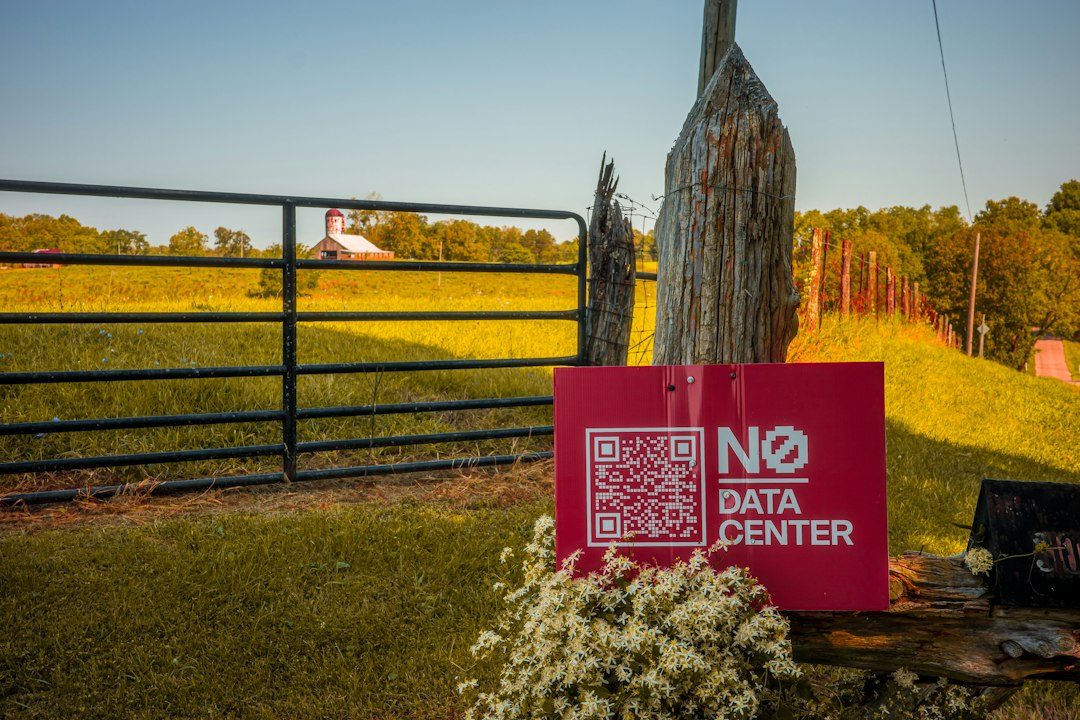
Voters in at least ten states decided more than 40 questions about energy, water, conservation and data centers on Nov. 3. The pattern was consistent: measures sponsored by an industry lost, and measures to restrict data centers or fund water systems won.

California voters rejected Proposition 45, which would have capped environmental reviews of major projects at 365 days. Colorado voters rejected Amendment 82, which would have written a right to buy natural gas into the state constitution. In Corpus Christi, Texas, a citizen-led measure to charge industrial water users drought surcharges passed with more than two-thirds support.

Why it matters

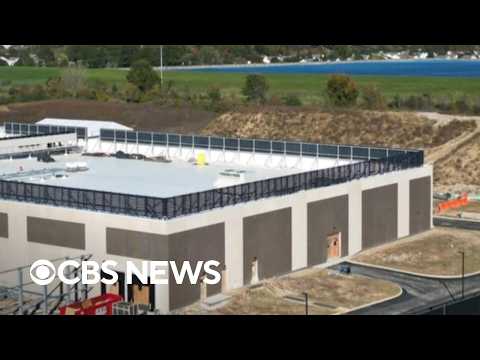
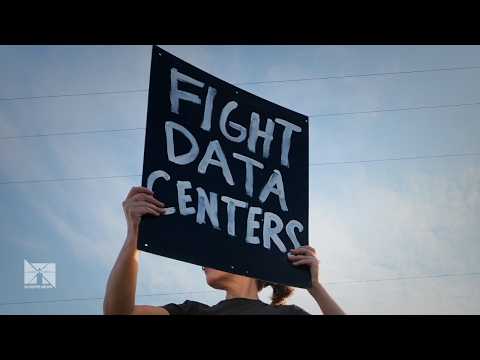
Thirty-eight local data center restrictions passed in one night, and the companies building AI infrastructure now face a patchwork of bans.

Questions about this story

Free account needed to ask — your question is kept and asked for you right after sign-up. Answers are public.

No questions yet — be the first to ask.

Key Indicators

38
Data center restrictions passed
Ballot measures banning or limiting data centers that passed on Nov. 3, according to Redbud Consulting.
1
Data center measures that failed
Harwood, North Dakota was the only jurisdiction to reject added scrutiny for data centers.
54%
California voters opposing Proposition 45
Preliminary count with 58 percent of ballots tallied; the measure would have shortened environmental reviews.
68%
Corpus Christi support for industrial drought surcharges
Proposition B cancels a voluntary water-payment program and charges refineries and chemical plants during shortages.
$500M
Arkansas water bonds authorized
General obligation bonds for water, wastewater, flood control and irrigation, passed with 56 percent.
$89M
Florida water district revenue loss in 2027
Projected hit to water management districts after voters passed a property tax limit.

Voices

Curated perspectives — historical figures and your fellow readers.

Sign up to generate historical perspectives on this story.

People Involved

Organizations Involved

Timeline

July 2026 November 2026

8 events Latest: 3 days ago
Tap a bar to jump to that date
  1. Colorado conservation tax measure still uncalled

    Latest Election

    A proposal to dedicate sporting goods sales tax revenue to conservation remains too close to call.

  2. California rejects Proposition 45

    Election

    About 54 percent oppose the environmental review overhaul with 58 percent of ballots counted.

  3. Colorado rejects natural gas amendment

    Election

    Amendment 82, which would have created a constitutional right to buy gas, loses with 81 percent tallied.

  4. Corpus Christi backs industrial drought surcharges

    Election

    Proposition B passes with more than 68 percent, replacing a voluntary payment program.

  5. Data center restrictions sweep local ballots

    Election

    Thirty-eight measures pass and one fails, including bans in Ohio, Florida and Kansas.

  6. Florida property tax limit passes

    Election

    Amendment 3 passes 62 to 38, projected to cut water district revenue by $89 million in 2027.

  7. Proposition 45 support falls to 46 percent

    Polling

    The same pollster records a 27-point drop as voters learn more about the measure.

  8. Polling shows Proposition 45 ahead

    Polling

    The Public Policy Institute of California finds 73 percent support for the environmental review overhaul.

Scenarios

1

Data center restrictions spread to a dozen more jurisdictions in 2027

Likely Resolves by Nov 30, 2027

Discussed by: Food and Water Watch and local organizers cited by Canary Media and the Washington Post

The 38 wins in 2026 give local opponents a template: put a ban or moratorium on the ballot and win by wide margins. If the pattern holds, more towns and counties schedule similar votes in 2027, and the patchwork of bans grows enough to delay projects in multiple states.

2

Congress takes up a national data center moratorium

Unlikely Resolves by End of 2027

Discussed by: Food and Water Watch

After the local wins, Food and Water Watch called for a national moratorium so lawmakers could study whether the industry can be safely regulated. Democrats won control of Congress in the same election. A bill could be introduced and referred to committee, though a floor vote in either chamber is unlikely in the first year.

3

California Legislature passes a narrower environmental review fix

Possible Resolves by Q3 2027

Discussed by: California Chamber of Commerce and housing advocates, via Inside Climate News

Proposition 45 failed, but the housing shortage that motivated it has not gone away. The Legislature could pass a narrower bill limiting review timelines for specific project types, as it has for some housing and stadium projects in the past. That would require a two-thirds vote if it amends the environmental law voters just defended.

Historical Context

2 moments from history that rhyme with this story — and how they unfolded.

November 2010

California Proposition 23 (2010)

Oil companies Valero and Tesoro spent millions backing a ballot measure to suspend California's 2006 climate law until unemployment fell below 5.5 percent for a year. Supporters framed it as job protection. Environmental groups and clean energy investors campaigned against it.

Then

Voters rejected it roughly 61 to 39 percent.

Now

The vote showed that industry-funded rollbacks of environmental law could lose badly in a blue state, and California's climate program continued.

Why this matters now

Proposition 45 followed the same pattern in reverse: a business-backed measure to change environmental review lost after a well-funded opposition campaign and a late polling slide.

2012-2014

New York local fracking bans (2012-2014)

Towns across New York passed local zoning bans on hydraulic fracturing for natural gas. The gas industry sued, and the state's highest court upheld the bans in 2014. Later that year the state banned fracking statewide.

Then

Local restrictions survived legal challenge and effectively stopped drilling in much of the state.

Now

The case set a precedent that municipalities could exclude an industry through zoning, and it preceded a statewide prohibition.

Why this matters now

The 2026 data center votes follow the same path: local ballot measures restricting an industry, passed over its objections, that could build toward broader policy.

Sources

(10)