

Pull to refresh
Logo
US voters reject data center development in local ballot measures

US voters reject data center development in local ballot measures

Rule Changes

Voters in at least 13 states approved bans, moratoriums and new limits on AI data centers

Overview

Updated 1 hour ago

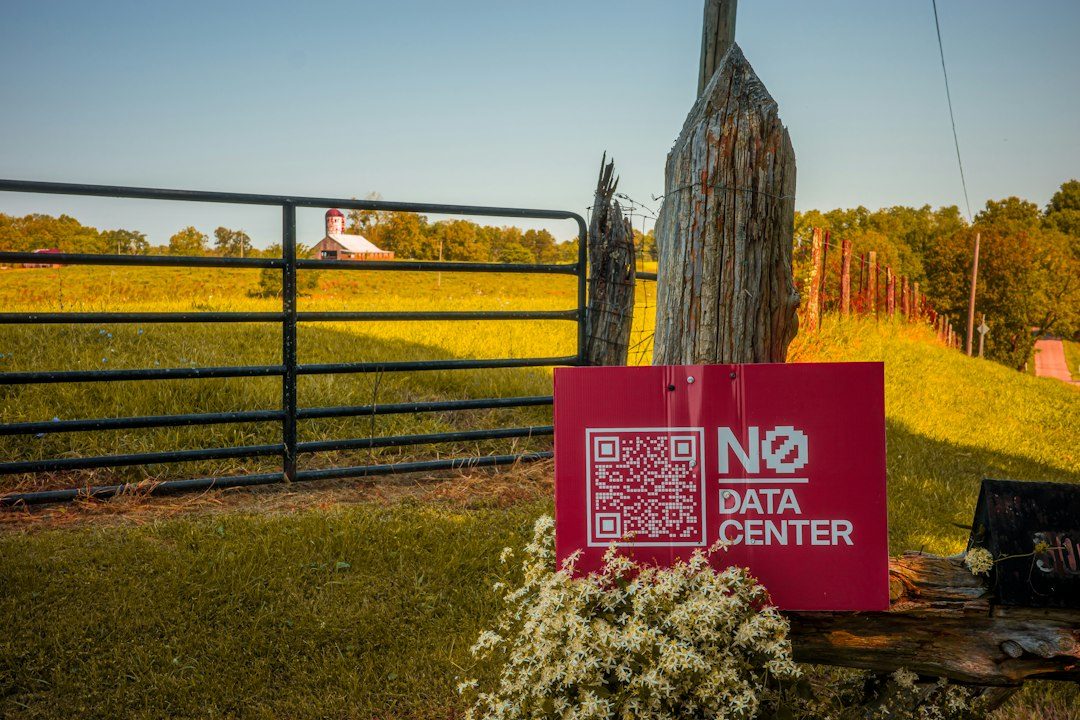
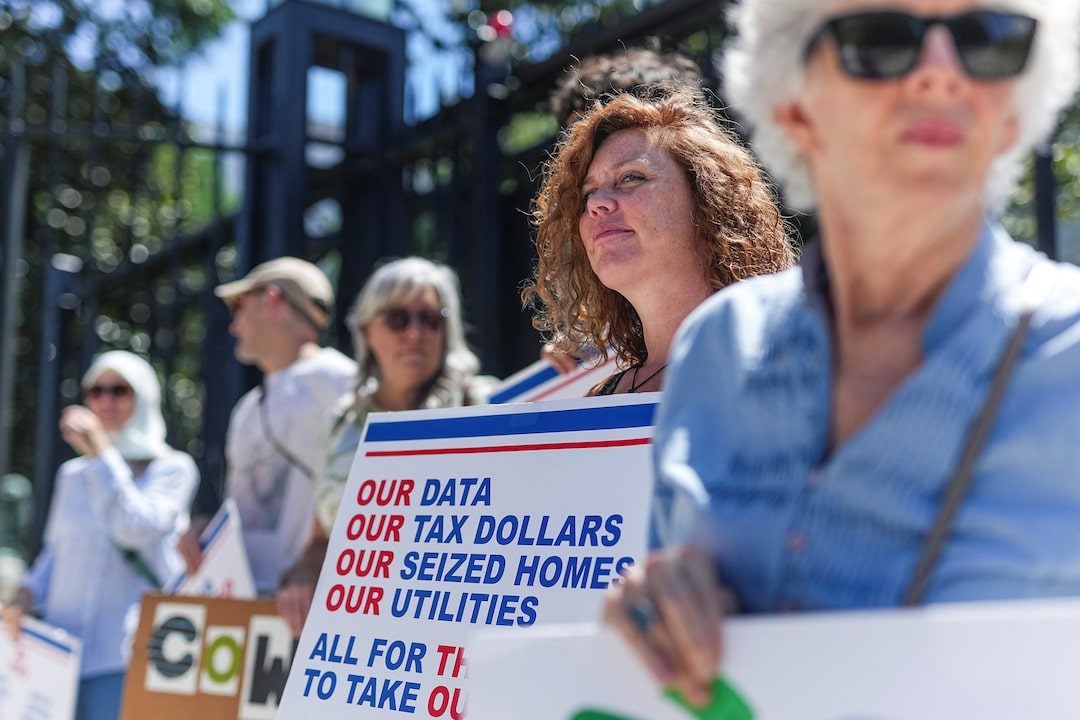
Voters decided at least 47 local ballot measures on data centers in the 2026 midterms, spread across 13 states. In 46 of them, the result went against the facilities, according to Ballotpedia's tally. The measures ranged from outright bans to moratoriums to limits on water and power use.

The votes are local, but the projects are not. Data centers underpin the AI buildout, and more than 40% of planned US capacity sits in states whose new governors have promised to slow construction. Developers now face a patchwork of restrictions in the places they had counted on.

Why it matters

If the restrictions hold, nearly two-thirds of the data center capacity planned for 2028 could face delays, raising costs for the AI buildout.

Questions about this story

Free account needed to ask — your question is kept and asked for you right after sign-up. Answers are public.

No questions yet — be the first to ask.

Key Indicators

98%
Share of decided measures that favored limits
46 of 47 decided measures restricted or rejected data center development, per Ballotpedia.
50
Local data center measures on 2026 ballots
Spread across 13 states, with 41 scheduled for the November 3 general election.
21
Measures in Ohio alone
Ohio accounted for more than half of the general-election measures.
11%
Americans who would support a local data center
A UMass Amherst poll found only 11% would back construction in their community.
56%
Voters calling AI and data centers a major factor
An NBC exit poll found 56% said the issue was crucial or major in their congressional vote.
40%+
Planned US capacity in states with pause pledges
Cleanview analysis: over 40% of planned capacity sits in states whose governors pledged or imposed pauses.

Voices

Curated perspectives — historical figures and your fellow readers.

Sign up to generate historical perspectives on this story.

People Involved

Organizations Involved

Timeline

2026 November 2026

6 events Latest: Yesterday
Tap a bar to jump to that date
  1. Tally shows 46 of 47 decided measures favored limits

    Latest Results

    Only Harwood, North Dakota, rejected added review requirements.

  2. Voters decide 41 local data center measures

    Election

    Measures went before voters in 10 states, with 21 in Ohio alone.

  3. Hinojosa wins Texas governor race on moratorium pledge

    Election

    The upset puts 41% of expected 2028 US capacity in question.

  4. Acton wins Ohio governor race; Brown ousts Husted

    Election

    Both Ohio winners favor restricting data center construction.

  5. Piqua, Trenton and Ashville votes hit specific projects

    Election

    Bans and a repealed deal target Meta, Amazon and EdgeConneX plans.

  6. Six data center measures decided earlier in the year

    Election

    Six of the 50 measures were decided before the November general election.

Scenarios

1

Texas and Ohio enact statewide data center pauses

Possible Resolves by Q2 2027

Discussed by: Axios, CNBC

Governors-elect Hinojosa and Acton both campaigned on moratoriums. Texas's legislative session runs into mid-2027, giving Hinojosa a window to pass restrictions on water, power and property rights. If either state enacts a binding pause, it would extend delays well beyond the municipalities that voted.

2

Courts strike down local data center bans

Uncertain Resolves by End of 2027

Discussed by: Legal analysts, Semafor

Some projects were already permitted or under construction when voters acted. EdgeConneX said its Ashville development is moving forward because permits are secured. Developers or state officials could sue, arguing local measures conflict with state law or existing agreements. A ruling against one ban would test how far the others can go.

3

Buildout continues as developers route around restrictions

Likely Resolves by End of 2028

Discussed by: Morgan Stanley, SemiAnalysis

Most 2027 capacity is already under construction, and analysts note that restrictions can make existing compute more valuable. Developers could shift to friendlier jurisdictions, renegotiate terms, or absorb delays. Morgan Stanley's Andrew Pauker told Semafor that restricted supply could raise the value of capacity that does get built.

Historical Context

3 moments from history that rhyme with this story — and how they unfolded.

November 2018 - February 2019

Amazon HQ2 in Queens (2018-2019)

Amazon chose Long Island City, Queens, for one of its two second headquarters, with promises of 25,000 jobs and nearly $3 billion in incentives. Local politicians and community groups objected to the subsidies and the effect on housing and transit.

Then

Amazon cancelled the Queens plan in February 2019, citing local opposition.

Now

The episode became a template for how organized local resistance can stop a major tech project, even one with state backing.

Why this matters now

The data center votes show the same dynamic at a larger scale: local ballots can halt projects that companies and state officials had treated as settled.

2001-2017

Cape Wind offshore project (2001-2017)

A proposed wind farm in Nantucket Sound drew years of opposition from Cape Cod residents and politicians over views and fishing grounds. It won federal approval but faced relentless litigation and permitting fights.

Then

Its power contracts were cancelled in 2017, effectively killing the project.

Now

The case showed that local opposition can outlast a project's financing and approvals, even for infrastructure with broad policy support.

Why this matters now

Data center developers now face the same risk: approvals and capital do not guarantee a project survives sustained local resistance.

2012-2014

New York towns and the fracking ban (2012-2014)

Dozens of New York municipalities passed moratoriums or bans on hydraulic fracturing. The state reviewed the health and environmental effects while the local measures accumulated.

Then

In 2014, Governor Andrew Cuomo announced a statewide ban on fracking.

Now

Local restrictions built the political case for a state-level policy, showing how municipal votes can cascade upward.

Why this matters now

The 2026 data center measures could follow the same path if Texas or Ohio converts local opposition into statewide pauses.

Sources

(10)