
Pull to refresh
Logo
Gene therapy infused into the brain cuts seizures in three epilepsy patients

Gene therapy infused into the brain cuts seizures in three epilepsy patients

New Capabilities

A first-in-human test of chemogenetics pairs a virus-delivered receptor with an antipsychotic drug that acts as a dimmer switch

Overview

Updated 1 hour ago

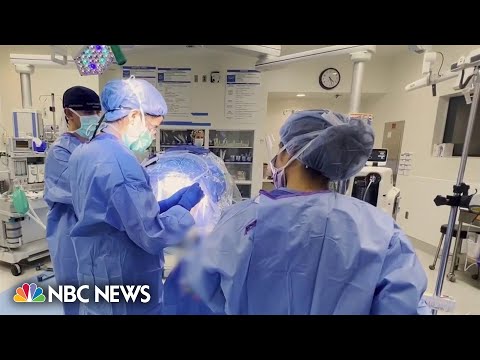
Three adults with epilepsy that drugs could not control agreed to have viruses infused into a small patch of their brains. In the months that followed, the number of seizures they had each month fell by more than 90%, according to results published in the New England Journal of Medicine.

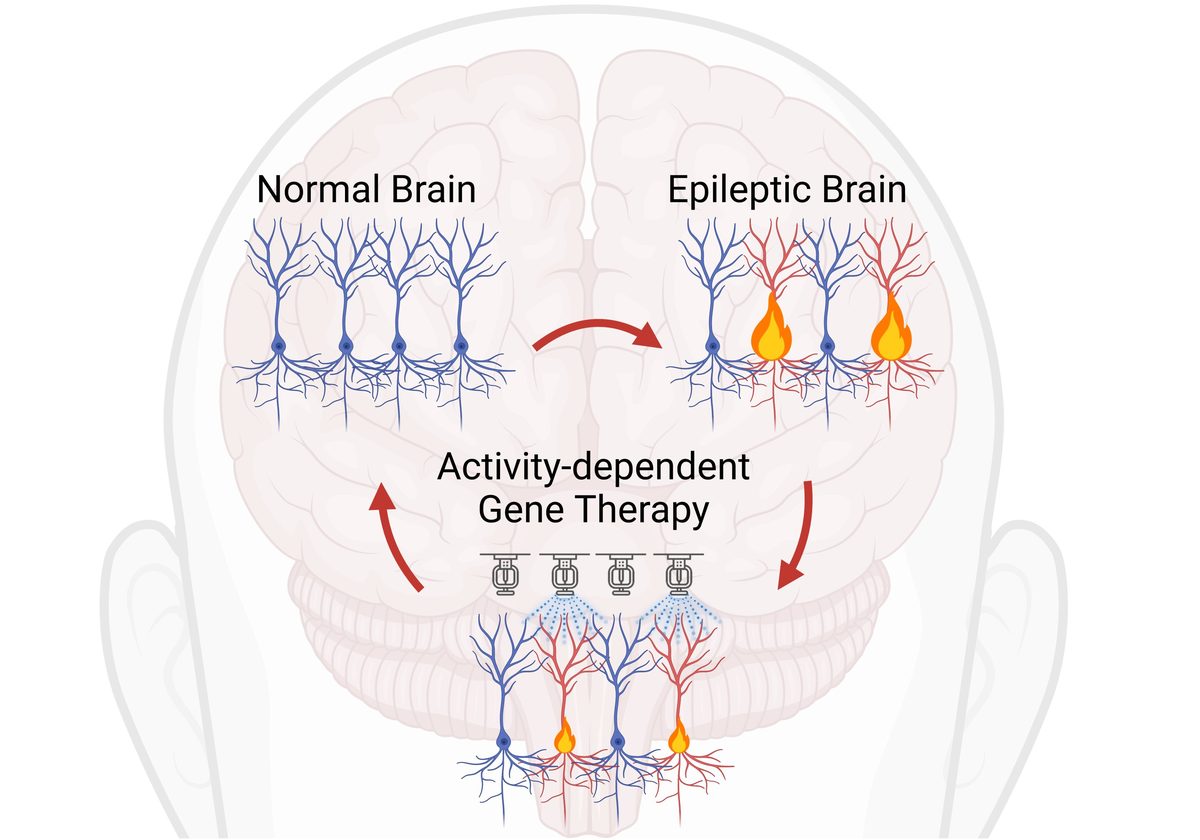
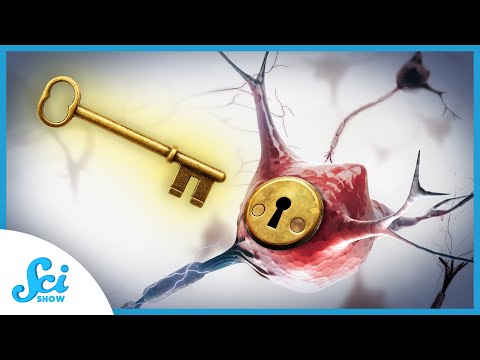
The treatment is a first-in-human test of chemogenetics. The virus delivers a gene that makes excitatory neurons in the seizure focus respond to a drug, clozapine. That gives doctors a dial: they can raise or lower the therapy's strength by changing the dose, which older gene therapies cannot do.

Why it matters

If the effect holds in larger trials, epilepsy that drugs cannot control could be treated with a one-time brain infusion plus a daily pill.

Questions about this story

Free account needed to ask — your question is kept and asked for you right after sign-up. Answers are public.

No questions yet — be the first to ask.

Key Indicators

>90%
Fall in monthly seizures
All three participants saw their seizure counts drop by more than 90% per month.
3
Patients treated
Adults with drug-resistant epilepsy caused by scarring on one side of the hippocampus.
7
DREADD trials in humans in China
At least seven trials of designer receptors are running in China, researchers learned in August 2026.
10–25 years
Time since diagnosis
Each participant had lived with epilepsy for at least a decade and had failed two or more drugs.

Voices

Curated perspectives — historical figures and your fellow readers.

Sign up to generate historical perspectives on this story.

People Involved

Organizations Involved

Timeline

August 2026 November 2026

2 events Latest: Yesterday
  1. NEJM reports seizures down more than 90% in three patients

    Latest Research result

    Yang Dai's team at Xuanwu Hospital publishes first-in-human chemogenetic therapy results for drug-resistant focal epilepsy.

  2. Chinese DREADD trials surface at NIH meeting

    Disclosure

    Researchers at a BRAIN Initiative meeting learn that at least seven trials of designer receptors are already running in humans in China.

Scenarios

1

Larger trial confirms the seizure reduction

Possible Resolves by End of 2028

Discussed by: Matthew Walker and the Beijing authors, who both note the study is too small to establish efficacy

A follow-up study enrolls more patients, adds controls and tracks seizures over a year or more. If the effect holds, chemogenetics becomes a credible option for focal epilepsy that drugs cannot control, and the clozapine dose becomes the variable doctors tune.

2

Clozapine side effects limit the approach

Uncertain Resolves by Q2 2029

Discussed by: Matthew Walker, who raised long-term clozapine risks

Patients must take clozapine indefinitely to keep the receptor switched on. High doses of the antipsychotic have been linked to cardiovascular problems and other effects. If longer follow-up turns up harm, the therapy's usefulness narrows to patients whose seizures justify the risk.

3

A better designer drug replaces clozapine

Possible Resolves by End of 2029

Discussed by: Reviewers in Current Opinion in Neurology, who note no inert designer drug exists yet

The field's ideal is a receptor that responds only to a compound with no other effects in the body. Olanzapine at very low doses is one candidate; neither it nor clozapine is clean. A purpose-built drug would remove the main safety objection and make the technique easier to test widely.

Historical Context

3 moments from history that rhyme with this story — and how they unfolded.

Through February 2025

Inhibitory DREADDs in rodent and primate seizure models (through 2025)

Researchers expressed the inhibitory hM4D receptor in excitatory neurons inside seizure foci in rodents and, later, in a nonhuman primate seizure model. Activating the receptor with a drug suppressed those cells and reduced seizures.

Then

The approach worked in animals and gave experimenters a way to titrate treatment by drug dose.

Now

It stayed a laboratory tool because no drug was biologically inert and human testing had not been attempted.

Why this matters now

The Beijing trial is the first published test of the same mechanism in people, which is why the animal results are the benchmark readers should compare it to.

2026

Personalized gene therapy for two boys with rare epilepsy (2026)

A tailored gene therapy reduced seizures and improved developmental skills in two boys with debilitating neurological disorders, and one child walked independently for the first time.

Then

The results showed that gene therapy can be built around a single patient's mutation.

Now

It remains a bespoke approach, hard to scale and hard to test in controlled trials.

Why this matters now

It shows the same field moving on two tracks: custom-built therapies for rare mutations, and off-the-shelf vectors aimed at a common seizure focus.

2026

Antisense therapy for KCNT1 epileptic encephalopathy (2026)

Two 2-year-old girls with a severe KCNT1 variant received an antisense oligonucleotide by lumbar puncture. Seizures fell in frequency and intensity, but both developed ventricular enlargement, and one family redirected goals of care.

Then

The trial showed genetic therapy can reach a severe childhood epilepsy, and that the delivery route carries its own risk.

Now

Hydrocephalus became a monitorable toxicity for intrathecal antisense drugs.

Why this matters now

It is the cautionary case next to the Beijing result: a real seizure benefit can arrive with a serious side effect that only longer follow-up reveals.

Sources

(8)