

Pull to refresh
Logo
FDA approves SELUTION SLR, first sirolimus drug-eluting balloon in the US

FDA approves SELUTION SLR, first sirolimus drug-eluting balloon in the US

New Capabilities

The SELUTION SLR is the first drug-eluting balloon cleared for coronary use in the US and the first sirolimus version in the country

Today: FDA approves SELUTION SLR for in-stent restenosis

Overview

Updated 57 minutes ago

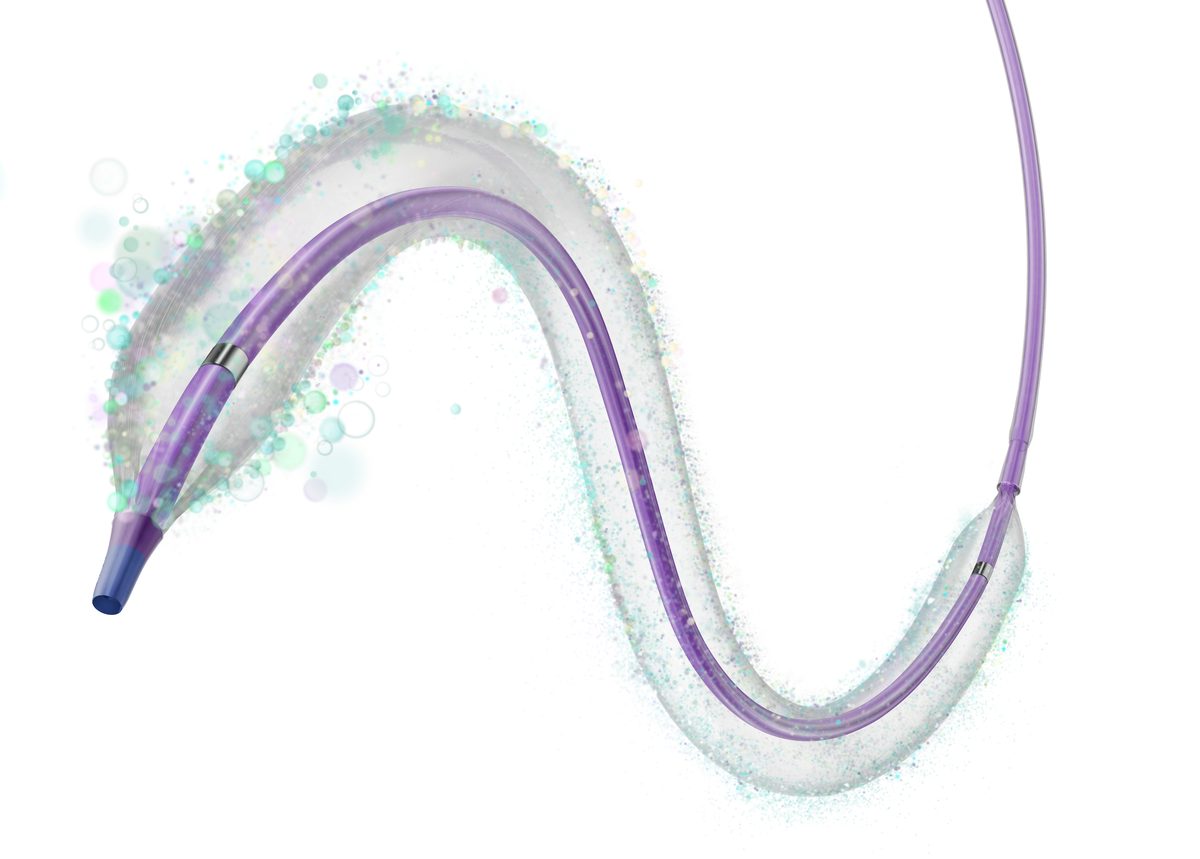
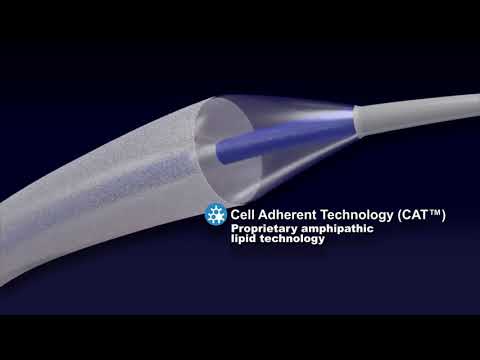
The FDA on September 21 approved the first drug-eluting balloon for coronary use in the United States. Cordis' SELUTION SLR expands inside a narrowed artery, releases the drug sirolimus into the vessel wall for up to 90 days, and is removed — no permanent implant stays behind.

The device treats in-stent restenosis, the re-narrowing of an artery that already carries a stent. It follows about 10% of the nearly one million percutaneous coronary interventions performed in the US each year.

Standard care has been to place another drug-eluting stent, which risks re-narrowing again. SELUTION SLR is the first sirolimus drug-eluting balloon cleared in the US, and Cordis hopes it starts a shift toward coronary care that leaves nothing behind.

Why it matters

Roughly 100,000 Americans a year see a stented artery re-narrow; they now have a treatment that leaves no permanent implant.

Questions about this story

Free account needed to ask — your question is kept and asked for you right after sign-up. Answers are public.

No questions yet — be the first to ask.

Key Indicators

15.2%
SELUTION SLR 12-month target lesion failure
vs 13.5% for standard of care, which used drug-eluting stents in 80% of cases (SELUTION4ISR trial)
~100,000
US in-stent restenosis procedures per year
About 10% of the roughly 1 million percutaneous coronary interventions performed annually
250,000+
Patients treated with SELUTION SLR worldwide
Across more than 65 countries, before the US approval expanded access

Voices

Curated perspectives — historical figures and your fellow readers.

Ever wondered what historical figures would say about today's headlines?

Sign up to generate historical perspectives on this story.

People Involved

Organizations Involved

Timeline

April 2003 September 2026

5 events Latest: Today
Tap a bar to jump to that date
  1. FDA approves SELUTION SLR for in-stent restenosis

    Today Regulatory

    First sirolimus drug-eluting balloon is cleared in the US; physicians get immediate access, and Cordis enters the coronary drug-coated balloon market.

  2. SELUTION4ISR trial hits its endpoint at TCT 2025

    Study data

    SELUTION SLR hit 15.2% target lesion failure at 12 months vs 13.5% for standard care, meeting non-inferiority.

  3. FDA clears US trial of SELUTION SLR

    Regulatory

    MedAlliance receives investigational device exemption to run the SELUTION4ISR pivotal trial in the US.

  4. SELUTION SLR wins European approval for coronary use

    Regulatory

    MedAlliance earns CE mark for the sirolimus balloon in coronary artery disease, after a February 2020 clearance for peripheral arteries.

  5. Cordis launches Cypher, first US sirolimus-eluting stent

    Product launch

    Cordis brings sirolimus to US stenting with Cypher, launching the drug-eluting stent market.

Scenarios

1

FDA clears SELUTION SLR for de novo small-vessel disease

Possible Resolves by End of 2029

Discussed by: Cordis, which is running the 960-patient SELUTION4DeNovo trial in support of a future FDA premarket approval application

Cordis has finished enrolling SELUTION4DeNovo, a randomized trial testing the balloon against drug-eluting stents for de novo lesions in small coronary vessels. If the data read out favorably and FDA approves the expanded use, SELUTION moves from a niche fix for failed stents toward a first-line alternative to stenting in small vessels, a much larger patient pool.

2

Drug-eluting balloons become the US first-line treatment for in-stent restenosis

Possible Resolves by End of 2028

Discussed by: Trial investigators like Dr. Ron Waksman, who has argued that DEBs answer the need to treat restenosis without adding more stents

The approval lets US cardiologists prescribe a DEB for ISR, but adoption depends on reimbursement, training, and guideline support. If society guidelines and Medicare policy align behind the device, DEBs could displace repeat stenting as the default ISR treatment. If they don't, stents likely remain the default.

3

A rival coronary drug-eluting balloon wins US approval

Possible Resolves by End of 2030

Discussed by: Manufacturers of established peripheral drug-coated balloons, for whom the US approval opens an economically attractive coronary market

The US coronary DEB market was closed until this approval. Its opening creates an incentive for other manufacturers, including makers of established paclitaxel-coated balloons and newer sirolimus designs, to seek US clearance. A second approval would signal a competitive market rather than a single-product niche.

Historical Context

3 moments from history that rhyme with this story — and how they unfolded.

April 2003

Cypher sirolimus-eluting stent (2003)

Cordis won FDA approval for the Cypher stent, the first sirolimus-eluting stent in the US. It sharply cut restenosis compared with bare-metal stents and drove rapid adoption of drug-eluting stents.

Then

Cypher and its successors became the default for coronary stenting; restenosis rates fell sharply.

Now

Drug-eluting stents reduced but never eliminated restenosis. The residual failures created the in-stent restenosis problem the new balloon targets.

Why this matters now

Cordis introduced sirolimus on a metal scaffold in 2003; 23 years later the same company delivers the same drug on a balloon that leaves nothing behind, answering the limitation its own technology created.

2011–2015

Drug-coated balloons for peripheral artery disease (2011–2015)

Paclitaxel-coated balloons such as Lutonix and IN.PACT won US approval for peripheral artery disease after years of European use. They reduced leg-artery re-narrowing without adding a new permanent implant.

Then

Drug-coated balloons became a standard option in peripheral intervention.

Now

The 'balloon instead of stent' approach gained clinical validation in peripheral vessels, setting the stage for coronary use.

Why this matters now

The same logic now arrives in coronary arteries, where clinicians have been slower to accept DEBs because of the higher stakes of failing in a heart vessel.

2016–2017

Absorb bioresorbable scaffold (2016–2017)

Abbott's Absorb scaffold, approved in 2016, was designed to support a vessel then dissolve completely. Higher-than-expected rates of stent thrombosis led Abbott to pull it from the market in 2017.

Then

The device was withdrawn and the dissolving-stent concept collapsed.

Now

The failure chilled the 'leave nothing behind' movement in coronary care and raised the bar for any new no-implant strategy.

Why this matters now

SELUTION SLR avoids the problem that sank Absorb: it delivers drug directly and never tries to provide structural support, relying on clinical data showing outcomes comparable to stents.

Sources

(5)