
Pull to refresh
Logo
Daily Brief
Following
Why Sign Up
FDA approves Bizengri as first targeted drug for rare NRG1-driven bile duct cancer

FDA approves Bizengri as first targeted drug for rare NRG1-driven bile duct cancer

New Capabilities

Seventh approval under FDA's new priority pilot cuts review by more than five months

Yesterday: Bizengri approved for bile duct cancer

Overview

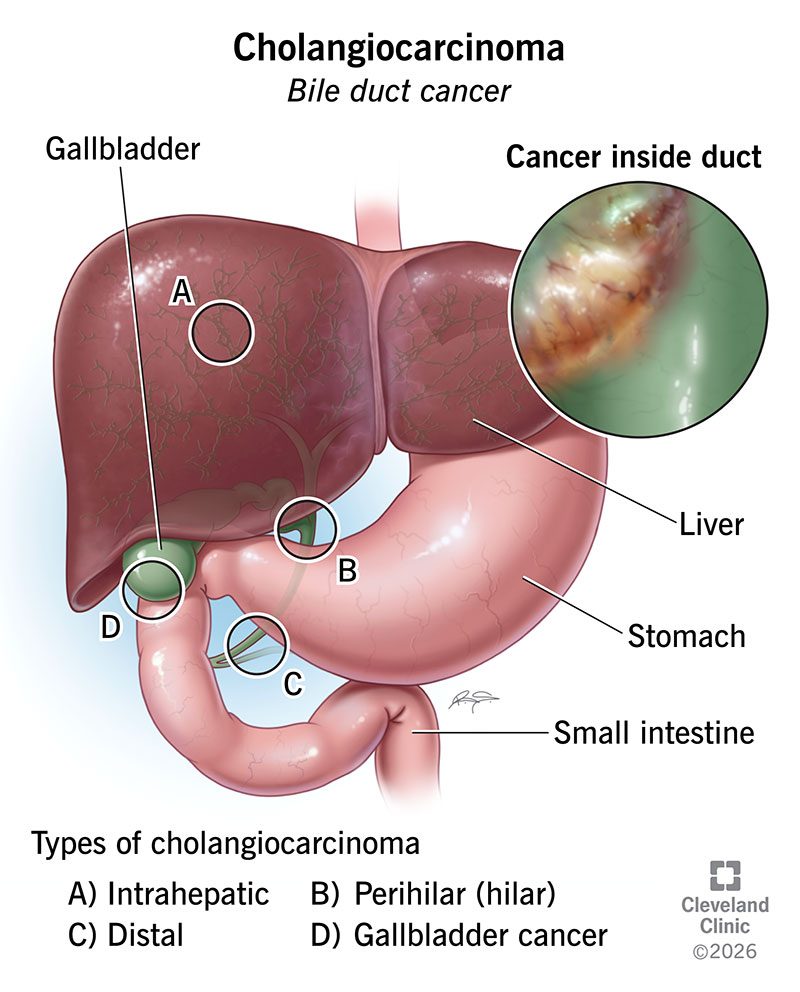
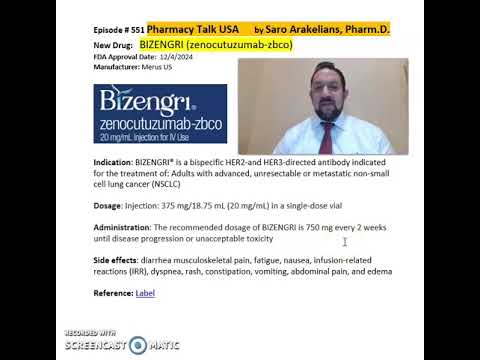
Patients with advanced bile duct cancer driven by a rare genetic fusion called NRG1 had nothing approved for them after chemotherapy failed. On May 8, the U.S. Food and Drug Administration (FDA) approved Bizengri (zenocutuzumab-zbco), made by Partner Therapeutics, as the first drug aimed at this small group. It works by blocking the abnormal protein the NRG1 fusion produces, which fuels tumor growth.

Why it matters

A few hundred dying bile duct cancer patients a year now have a targeted drug option, and the FDA's accelerated review pathway has hit its seventh approval.

Key Indicators

7
CNPV approvals to date
Bizengri is the seventh drug approved under the FDA's new priority pilot since it launched.
5+ months
Faster than standard review
The CNPV pathway shortened Bizengri's review timeline by more than five months versus the standard goal date.
3
Cancer types now covered
Bizengri is now approved for NRG1-fusion lung, pancreatic, and bile duct cancers.
<1%
NRG1 fusion prevalence
NRG1 gene fusions appear in well under one percent of bile duct, lung, and pancreatic cancers.
~12 months
Median survival
Advanced bile duct cancer typically kills patients within a year of diagnosis.

Interactive

Exploring all sides of a story is often best achieved with Play.

Ever wondered what historical figures would say about today's headlines?

Sign up to generate historical perspectives on this story.

Sign Up

Debate Arena

Two rounds, two personas, one winner. You set the crossfire.

People Involved

Organizations Involved

Timeline

  1. Bizengri approved for bile duct cancer

    Regulatory

    FDA approves Bizengri for adults with advanced or metastatic NRG1-fusion cholangiocarcinoma after prior therapy. It is the seventh CNPV approval, with review shortened by more than five months.

  2. FDA schedules first public hearing on CNPV pilot program

    Policy

    The FDA published a Federal Register notice scheduling a June 4, 2026 public hearing on the CNPV pilot's eligibility criteria, review procedures, and implementation, with written comments accepted through June 29. It is the program's first formal external review since launching in 2025.

  3. eNRGy trial: Bizengri shows benefit even after radiographic progression

    Clinical

    At the 2026 ASCO Gastrointestinal Cancers Symposium, Partner Therapeutics reported that 17 NRG1+ pancreatic and bile duct cancer patients who stayed on zenocutuzumab after progression had a 35% overall response rate and 65% clinical benefit rate, with some achieving multi-year disease control and no discontinuations due to toxicity.

  4. FDA launches CNPV pilot program

    Policy

    Commissioner Marty Makary introduces the Commissioner's National Priority Voucher pilot to compress review timelines for high-priority drugs.

  5. Bizengri wins first FDA approval

    Regulatory

    Bizengri receives accelerated approval for NRG1-fusion non-small cell lung cancer and pancreatic adenocarcinoma after prior systemic therapy.

  6. First targeted therapy approved for cholangiocarcinoma

    Regulatory

    FDA approves Pemazyre (pemigatinib) for FGFR2-fusion bile duct cancer, the first targeted drug for any subtype of the disease.

Scenarios

1

Bizengri wins broader pan-tumor label across all NRG1 fusions

Discussed by: Oncology trade press, including OncLive and Cancer Network

If response data hold up across the bile duct, lung, and pancreatic indications, Partner Therapeutics could seek a tissue-agnostic label covering any solid tumor with an NRG1 fusion. That would mirror the path Vitrakvi (larotrectinib) took for NTRK fusions in 2018 and would simplify access for patients with rare NRG1-driven tumors of other origins.

2

Confirmatory trials convert accelerated approvals to full approvals

Discussed by: FDA accelerated-approval framework guidance and Partner Therapeutics filings

Bizengri's earlier approvals were accelerated, meaning continued marketing depends on follow-up trials confirming clinical benefit. Strong overall survival or progression-free survival data could turn those into full traditional approvals. Weak data could trigger withdrawal proceedings, though the FDA rarely revokes oncology drugs that show clear response rates.

3

CNPV pilot program becomes permanent FDA pathway

Discussed by: FDA leadership statements and policy analysts at the Bipartisan Policy Center

Seven approvals in under a year suggests sponsors are using the pathway and the FDA is willing to grant priority status. If outcomes data show CNPV drugs perform comparably to drugs reviewed on standard timelines, Congress or the FDA itself could codify the pilot. Critics worry about consistency in how priority status is granted.

4

CNPV faces backlash if a flagship approval underperforms

Discussed by: Health policy researchers and patient-safety advocates

Faster review pathways draw scrutiny when an approved drug later shows safety problems or fails confirmatory trials. A high-profile failure among CNPV-approved drugs could prompt Congressional hearings and pressure to wind down the pilot, similar to the controversy that followed the 2021 accelerated approval of Aduhelm for Alzheimer's.

Historical Context

Pemazyre approval for bile duct cancer (2020)

April 2020

What Happened

The FDA granted accelerated approval to Pemazyre (pemigatinib) for adults with previously treated cholangiocarcinoma carrying an FGFR2 fusion. It was the first targeted therapy approved for any subtype of bile duct cancer, a disease where standard chemotherapy had stalled in effectiveness for years.

Outcome

Short Term

Pemazyre gave roughly 10 to 15 percent of bile duct cancer patients their first option beyond chemotherapy. Tumor shrinkage rates in trials ran near 36 percent.

Long Term

The approval established cholangiocarcinoma as a disease defined by genetic subtypes rather than a single entity. It opened the door to FDA approvals for other targeted therapies in the disease, including IDH1 inhibitors and now the NRG1-targeted Bizengri.

Why It's Relevant Today

Pemazyre showed that genetic testing in bile duct cancer can find patients who respond to targeted drugs even when chemotherapy fails. Bizengri extends that model to a different, even rarer genetic subtype.

Vitrakvi tissue-agnostic approval (2018)

November 2018

What Happened

The FDA approved Vitrakvi (larotrectinib) for any solid tumor carrying an NTRK gene fusion, regardless of where the tumor started. It was the first tissue-agnostic cancer drug approval based on a shared genetic alteration.

Outcome

Short Term

Patients across more than a dozen tumor types gained access to a single targeted drug. Trials showed tumor response rates above 75 percent in NTRK-fusion cancers.

Long Term

The approval set a precedent for organizing cancer treatment around genetic drivers rather than tumor location. Pembrolizumab, dostarlimab, and several other drugs have since won tissue-agnostic indications.

Why It's Relevant Today

Bizengri is following a similar arc, with separate approvals for NRG1-fusion lung, pancreatic, and now bile duct cancers. A consolidated tissue-agnostic label is a plausible next step.

Aduhelm accelerated approval controversy (2021)

June 2021

What Happened

The FDA granted accelerated approval to Aduhelm (aducanumab) for Alzheimer's disease over the objections of its own advisory committee, three of whom resigned in protest. Medicare later restricted coverage, and Biogen withdrew the drug in 2024.

Outcome

Short Term

Public confidence in FDA accelerated approval took a hit. Congressional investigations probed FDA-sponsor communications.

Long Term

The episode tightened scrutiny of accelerated-approval drugs and reshaped how the FDA discusses surrogate endpoints. Sponsors face higher pressure to deliver confirmatory evidence.

Why It's Relevant Today

The CNPV pilot will be judged in part by whether its approvals avoid Aduhelm-style outcomes. A flagship CNPV failure could put the pathway itself at risk.

Sources

(7)